New Documentary Movies on Kanopy - Page 265
All Services
Free Services
 Netflix
 Amazon Prime Video
 Apple iTunes
 Apple TV Plus
 Disney Plus
 Google Play Movies
 Paramount Plus
 Hulu
Hulu
 HBO Max
 YouTube
 fuboTV
 Peacock
 Peacock Premium
 Amazon Video
 The Roku Channel
 AMC+
AMC on Demand
AMC+
AMC on Demand
 Kocowa
 Hoopla
 The CW
 Vudu
Vudu
 Starz
Starz
 Showtime
 PBS
PBS
 Pantaflix
 FXNow
FXNow
 Tubi TV
 Kanopy
 Comedy Central
 Crunchyroll
 Microsoft Store
 Redbox
 Sun Nxt
 ABC
ABC
 DIRECTV
 Crackle
 Fandor
 Plex
Plex
Netflix
Amazon Prime Video
Apple iTunes
Apple TV Plus
Disney Plus
Google Play Movies
Paramount Plus
Hulu
HBO Max
YouTube
fuboTV
Peacock
Peacock Premium
Amazon Video
The Roku Channel
AMC+
AMC on Demand
Kocowa
Hoopla
The CW
Vudu
Starz
Showtime
PBS
Pantaflix
FXNow
Tubi TV
Kanopy
Comedy Central
Crunchyroll
Microsoft Store
Redbox
Sun Nxt
ABC
DIRECTV
Crackle
Fandor
Plex

Domestic Violence
2001
Domestic Violence
2001
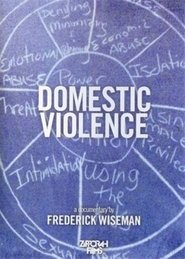
star 6.4DOMESTIC VIOLENCE shows the Tampa, Florida police responding to domestic violence calls and the work of The Spring, the principal shelter in Tampa for women and children. Sequences with the police include police response, intervention, and attempted resolution of domestic violence calls. Sequences at the shelter include intake interviews, individual counseling sessions, anger management training, group therapy, staff meetings, conversations among clients and between clients and staff, and school activities, therapy, and counseling for children at the shelter.Ram Dass: Fierce Grace
2001
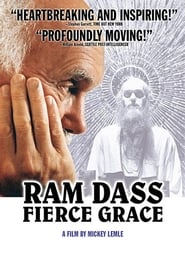
star 5.7Once a symbol of '60s counterculture and psychedelic drug use, Ram Dass has since become a renowned speaker and author on the topics of aging, spirituality, and overcoming the mistakes of the past. This documentary chronicles his journey from his affiliations with LSD advocate Timothy Leary to his endeavor to continue remaking himself after his stroke in 1997.In the Bathtub of the World
2001
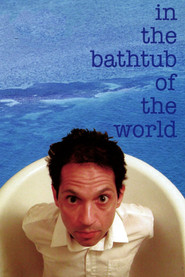
star 5.5On January 1st, 1999, Caveh Zahedi started a one-year video diary. The idea was to shoot one minute each day. This is the result.Escape to Life: The Erika and Klaus Mann Story
2001
star 4.2This documentary contains dramatized episodes about the lives of Erika and Klaus Mann, the brilliant children of German writer Thomas Mann.Etoiles: Dancers of the Paris Opera Ballet
2001
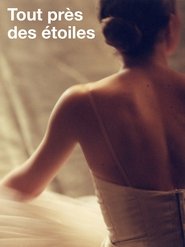
star 6.9ETOILES: DANCERS OF THE PARIS OPERA BALLET celebrates the legacy one of the best ballet companies in the world by weaving together rehearsals, tour snapshots and performances of classical ballets such as Swan Lake and La Sylphide, as well as contemporary works such as Maurice Bejart's Ninth Symphony, Jiri Kylian's Doux Mensonge (Sweet Lies) and Pierre Darde's Orison. Celebrated filmmaker Nils Tavernier endeavors to understand the psychology of dance by talking candidly with some of the biggest stars in dance today. The film also features interviews with the dancers who explain how and why they endure the emotional and physical hardships of their profession in their intense drive to be on stage.The Sweetest Sound
2001
The Sweetest Sound
2001
star 7Alan Berliner uses the internet to track down 12 men who share his surname, and invites them over for dinner in New York.Captured on Film: The True Story of Marion Davies
2001
star 4Blonde, beautiful and talented, Marion Davies was the first and funniest screwball comedienne. As star of two of the best comedies ever made, Show People and The Patsy, she combined zany slapstick and exuberant mimicry. Glamorous, witty and kind, both on screen and off, Davies was also famous for her 35-year-long love affair with William Randolph Hearst.Nero's Golden House
2001
Nero's Golden House
2001
Ralph Bunche: An American Odyssey
2001
Few remember the name, much less the historical achievements, of Dr. Ralph Johnson Bunche. Yet, this African American mediator and United Nations diplomat was the first person of color anywhere in the world to be awarded the Nobel Prize for Peace.Sticks and Stones
2001
Sticks and Stones
2001
This short documentary features children aged 5 to 12 talking about their experiences with bullying and discrimination because they or their families do not fit into traditional gender and family roles. This film explores the contemporary diversity of families from kids' points of view, while featuring short animated sequences about the history of derogatory slang.What a Girl Wants
2001
What a Girl Wants
2001
During the spring of 2000, eleven girls aged 8 to 16 from a variety of socio-economic backgrounds and two classrooms of middle and high school students were interviewed about their views on media culture and its impact on their lives. Their insightful and provocative responses provide the central theme of the film, a half-hour examination of how the media presents girls. Juxtaposing footage culled from a typical week of TV broadcasting with original interviews, WHAT A GIRL WANTS will provoke debate and, ideally, act as a catalyst for change in media content.World War II: The Fall of France
2001
Hitler attacks west invading Belgium and Holland, Operation Dynamo and the attempt to evacuate the British expeditionary force at Dunkirk culminating in the fall of France.The Atlanta Child Murders
2001
The Atlanta murders of 1979–1981, sometimes called the Atlanta child murders, were a series of murders committed in Atlanta, Georgia, between July 1979 and May 1981. Over the two-year period, at least 28 children, adolescents, and adults were killed. Wayne Williams, an Atlanta native who was 23 years old at the time of the last murder, was arrested, tried, and convicted of two of the adult murders and sentenced to two consecutive life terms.My Mother's Village
2001
My Mother's Village
2001
In a documentary that spans two continents and several generations, acclaimed director John Paskievich delves into the experience of exile and its impact on the human spirit. Almost fifty years after his family fled Ukraine for freedom in Canada, the filmmaker visits his parents' homeland. It's a place both familiar and foreign. Drawing on his years growing up in Winnipeg, Paskievich explores how children of refugees and immigrants are caught between two worlds. While they struggle to put down roots in a new country, they must also preserve traditions of a distant land they have never known. Paskievich's journey through Ukraine is interwoven with stories of displacement from other prominent Ukrainian Canadians--authors George Melnyk and Fran Ponomarenko, filmmaker Bohdana Bashuk, director Halya Kuchmij and dancer Lecia Polujan. A rich tapestry of memory and history, My Mother's Village brings to light the humour, anger, joy and complexity of living between borders.Fishers of Dar
2001
Fishers of Dar
2001
Samaki wa Dar es Salaam/Fishers of Dar is an ethnographic film about the fishermen and women of downtown Dar es Salaam, Tanzania. It explores the continuity and integrity of traditional fishing practices in new, contemporary settingsKuo Hina E Hiapo: The Mulberry is White and Ready for Harvest
2001
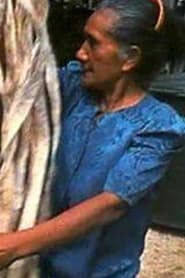
Tapa cloth, or ngatu as it is called in Tonga, is cloth made from the bark of the mulberry tree. The inner bark is beaten into fine sheets and painted using traditional designs. After centuries of use, ngatu has literally become the fabric of Tongan society. In Tonga and throughout much of Polynesia, bark cloth has deep symbolic and ceremonial use. At birth, babies are swaddled in it. At marriage, newlyweds line their wedding bed, and at death, the departed are buried wrapped in it. This documentary investigates the highly collaborative process of making ngatu and the organizations of women who carry on with the tradition. While the process continues to be passed on from generation to generation, there are signs of change as a cash economy begins to infiltrate Tongan life. Young people show less interest in such labor intensive endeavor in the face of the older generation's belief that this tradition will never die.Our Brother James
2001
Our Brother James
2001
star 10Australia has one of the highest youth suicide rates in the world. The suicide rate in men under 25 has tripled in the last 30 years, and young men in rural and remote communities are particularly vulnerable. This reality has disturbing implications for society. When it affects you directly, it's shattering. In this very personal film, director Jessica Douglas-Henry and her sister Alix explore the impact of their brother’s suicide. In 1996 James Dalmann killed himself. He was found dead in the bathroom of his housing commission unit in Geraldton, Western Australia. James was only twenty. Although this film is about James, it's really Alix's story. It's about the people left behind, whose lives have been changed forever by the suicide of someone they loved. Although Our Brother James focuses on a personal tragedy, it is ultimately a film about survival and growth, about love, strength and hope for the future.World War II: The War in the Desert
2001
In the summer of 1942, Rommel's Afrika Korps swept across the Western Desert, sending the Allied forces into full retreat. Driven back deep into Egypt, Montgomery's 8th Army dug in along the El Alamein Line, prepared for battle. This factual film portrays the events leading up to and during, one of the greatest battles in the Second World War, the Battle of El Alamein.Between the Lines: Asian American Women's Poetry
2001
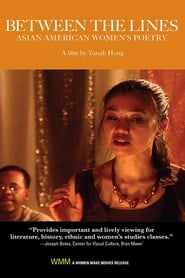
This documentary offers rare interviews with over 15 major Asian-Pacific American women poets. Organized in interwoven sections such as Immigration, Language, Family, Memory, and Spirituality, it is a sophisticated merging of Asian-American history and identity with the questions of performance, voice, and image.Sol LeWitt: 4 Decades
2001
"Sol LeWitt: 4 Decades" presents an opportunity to accompany one of the great artists of our time on a tour of his work, from his formative years to the present. Joined by curator Gary Garrels, LeWitt offers context and motive behind his 2000 retrospective exhibition at Chicago's Museum of Contemporary Art. A heavy emphasis is placed on LeWitt's spectacularly large scale wall drawings, for which he is best known. Garrels, who with LeWitt, spent three years on the creation of the exhibition, leads the artist through his breakthroughs of four decades, from the 1960s to the present.