New Documentary Movies on Kanopy - Page 268
All Services
Free Services
 Netflix
 Amazon Prime Video
 Apple iTunes
 Apple TV Plus
 Disney Plus
 Google Play Movies
 Paramount Plus
 Hulu
Hulu
 HBO Max
 YouTube
 fuboTV
 Peacock
 Peacock Premium
 Amazon Video
 The Roku Channel
 AMC+
AMC on Demand
AMC+
AMC on Demand
 Kocowa
 Hoopla
 The CW
 Vudu
Vudu
 Starz
Starz
 Showtime
 PBS
PBS
 Pantaflix
 FXNow
FXNow
 Tubi TV
 Kanopy
 Comedy Central
 Crunchyroll
 Microsoft Store
 Redbox
 Sun Nxt
 ABC
ABC
 DIRECTV
 Crackle
 Fandor
 Plex
Plex
Netflix
Amazon Prime Video
Apple iTunes
Apple TV Plus
Disney Plus
Google Play Movies
Paramount Plus
Hulu
HBO Max
YouTube
fuboTV
Peacock
Peacock Premium
Amazon Video
The Roku Channel
AMC+
AMC on Demand
Kocowa
Hoopla
The CW
Vudu
Starz
Showtime
PBS
Pantaflix
FXNow
Tubi TV
Kanopy
Comedy Central
Crunchyroll
Microsoft Store
Redbox
Sun Nxt
ABC
DIRECTV
Crackle
Fandor
Plex

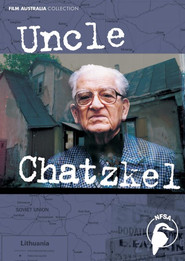
Uncle Chatzkel
2000
Uncle Chatzkel
2000
Dede Chackelis (Uncle Chatzkel) portrays the patient triumph of one man's dignity and intellect over genocide, oppression and personal adversity.Yield to Total Elation: The Life and Art of Achilles Rizzoli
2000
Yield to Total Elation explores the life and work of the enigmatic and visionary artist Achilles G. Rizzoli. A mundane architectural draftsman by day, the architectural transcriber of the divine by night, Rizzoli created elaborate Beaux-Arts influenced monuments which would never be built. Accompanied by his witty and poignant commentary, the drawings served as translations for the voices and the hallucinations that haunted him. By deftly weaving Rizzoli's words, archival footage, photos and evocative present day scenes of San Francisco's historic architecture, the film tells the story of Rizzoli's life and his work -- an exaltation of architecture as pleasure, as memorial, as redemption.Behind the Screens, Hollywood Goes Hypercommercial
2000
Hollywood movies are rapidly becoming vehicles for the ulterior marketing and advertising motives of studios and their owners, rather than entertainment in their own right. Behind the Screens explores this trend toward "hypercommercialism" through phenomena such as product placement, tie-ins, merchandising and cross-promotions. It combines multiple examples taken directly from the movies with incisive interviews provided by film scholars, cultural critics, political economists, and an Oscar-nominated screenwriter. Behind the Screens presents an accessible argument designed for school and college-age audiences-- precisely the demographic most prized by both Hollywood studios and advertisers alike. It features examples drawn from movies such as Wayne's World, Forrest Gump, The Lion King, Summer of Sam, and Toy Story.A Trip to the Country
2000
star 6.5Cameroonian filmmaker Jean-Marie Teno directs this impassioned documentary about the slow crumbling of traditional morals and values caused by colonialism and globalization. The film traces Teno's journey from his base in France to Cameroon's capital Yaounde to his hometown of Mbieng. In the process, he captures images of corroding infrastructures and corrupt officials.Well-Founded Fear
2000
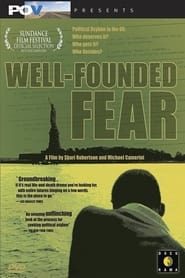
Well-Founded Fear
2000
Examines how the Immigration and Naturalization Service decides who will be granted asylum in the United States. The applicant must have a "well-founded fear" of persecution in his or her home country. Despite true and terrifying stories of torture and mistreatment, it's often up to how well the translator presents the case and how sensitive are the ears of the asylum officer to decide a person's fate.Amílcar Cabral
2000
Amílcar Cabral
2000
Documentary about African freedom fighter Amílcar Cabral, whose story is told by his relatives and friends. Amílcar, besides being a humanist and nationalist, was also a brilliant poet.Googoosh: Iran's Daughter
2000
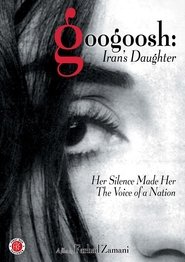
An impressionist feature-length documentary film, Googoosh: Iran's Daughter, aims to locate the "silenced" legendary Iranian pop singer/actress in the midst of Iran's social, political, and cultural transformation.School Prayer: A Community at War
1999
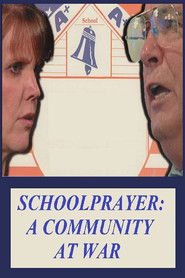
Lisa Herdahl, a Mississippi mother of six, is forced to sue her public school district in order to have The Bible removed from her childrens' classrooms.Wings of Hope
1999
Wings of Hope
1999
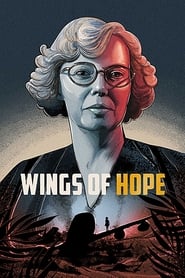
star 7Werner Herzog returns to the South American jungle with Juliane Koepcke, the German woman who was the sole survivor of a plane crash there in 1971. They find the remains of the plane and recreate her journey out of the jungle.Hidden Heroes
1999
Hidden Heroes
1999
Two Canadian women return to the Netherlands to recount the terrifying ordeal they experienced as children at the hands of the Nazis, and to connect with the individuals and families who risked their lives to save them.Original Schtick
1999
Original Schtick
1999
star 8Explores the bittersweet process of an American artist's frenzied attempt to achieve fame and recognition through manufacturing his own hype and manipulating public perceptions of his constructed persona.Chef!
1999
Chef!
1999
star 5.4Documentarian Jean-Marie Teno -- originally from Cameroon but now living in France -- explores the sad state of human rights in his native land as Cameroon struggles against political corruption towards something resembling democracy in Chef!. As the film opens, Teno examines a pro-government rally in Bandjourn where a young man was nearly killed by a mob for stealing chickens. As we look deeper into "justice" in Cameroon, we discover vigilante murder is commonplace; wife beating is tolerated by the law; freedom of the press does not exist; those who violate the many "laws" on the books are faced with inhuman prison conditions; and bribery is the most common method of dealing with the authorities. While activists continue to battle for justice and peace, Chef! makes clear that the road before them is long and steep.Grass
1999
Grass
1999
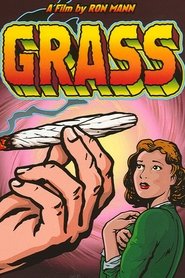
star 6.5Marijuana is the most controversial drug of the 20th Century. Smoked by generations to little discernible ill effect, it continues to be reviled by many governments on Earth. In this Genie Award-winning documentary veteran Canadian director Ron Mann and narrator Woody Harrelson mix humour and historical footage together to recount how the United States has demonized a relatively harmless drug.Kau Faito'o: Traditional Healers of Tonga
1999
This is a documentary which not only shows the ancient traditional art form of healing, but also tries to capture the essence of being a traditional healer in an ever-changing environment. Traditional healers are shown collecting, preparing and administering herbal remedies that they have passed down from one generation to the next. Healers discuss where, why and how they gained their knowledge and why they choose to carry on age-old customs and practices despite the fact that Tonga is becoming a nation increasingly dependent on western medicine. Tonga's traditional healers are adapting to niches such as prenatal care and physical therapy. Interspersed throughout the film are beautiful scenes of water, agriculture, rainforest and people, all of which comprise current island life in the Kingdom of Tonga.Genghis Blues
1999
Genghis Blues
1999
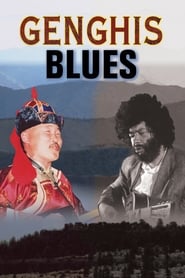
star 6.9Blind blues musician Paul Pena is perhaps best known for his song "Jet Airliner". In 1993, Pena heard Tuvan throat singing over his shortwave radio and subsequently taught himself how to reproduce these extraordinary sounds. This documentary follows him to Tuva, where he takes part in a throat singing competition. Languages featured in the film include English, Russian and Tuvan.Corpus: A Home Movie About Selena
1999
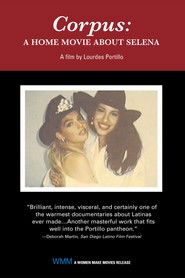
CORPUS explores the mass adulation and explosive posthumous recognition of Selena Quintanilla, the Tejano rock singer murdered by the president of her fan club in 1995. Pushing beyond the mainstream media's fascination with her violent death, Portillo interviews Selena's family and friends as well as the devoted fans that pilgrimage to Selena's grave in Corpus Christi, Texas, to pay homage to the slain star. Moving and provocative, this humble investigative portrait explores Selena's cultural significance as a pop icon and shines a light on the hopes, fantasies, fears, and realities of young Latinas today.Sadness
1999
Sadness
1999
star 9Based on photographer William Yang's one man stage show, "Sadness" chronicles two diverging narratives through the use of slide photography, oral history and stylised recreation. One story follows Yang's pilgrimage into the heart of the North Queensland sugar cane fields as he investigates the murder of his uncle Fang Yuen. The other is a series of moving portraits of the many friends and lovers Yang has lost to AIDS. Director Tony Ayres skillfully weaves these two separate stories together creating a powerful testament to family, friends, love and loss. Cinematography by Tristan Milani. Narrated by William Yang.Television Under the Swastika
1999
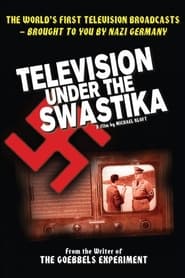
star 6.8A history of Nazi television programming and technology, from 1935 to 1944.The Children of Chabannes
1999
star 4.8From 1939 to 1942, in the village of Chabannes in central France, more than 400 Jewish children were hidden, schooled, and ultimately saved through the heroic efforts of the school's director and teachers and of Jewish rescue organizations that first got the children there, and then, as war closed around them, got all but a handful out safely. In 1996, two aged teachers and the children and their families reunite. Lisa Gossels, whose father and uncle were among the children, records it. Survivors' comments, photos and drawings from the war, footage of the school and town, and a celebration of the heroism and leadership of the school's director, Felix Chevrier, comprise the film.After Stonewall
1999
After Stonewall
1999
star 5.4This sequel to "Before Stonewall" documents the history of gay and lesbian life from the riots at Stonewall in 1969 to the present. Narrated by Melissa Etheridge, the film explains the work, struggles, victories, and defeats the gay community has weathered to become a vibrant and integral part of North American society.