New Documentary Movies on Kanopy - Page 267
All Services
Free Services
 Netflix
 Amazon Prime Video
 Apple iTunes
 Apple TV Plus
 Disney Plus
 Google Play Movies
 Paramount Plus
 Hulu
Hulu
 HBO Max
 YouTube
 fuboTV
 Peacock
 Peacock Premium
 Amazon Video
 The Roku Channel
 AMC+
AMC on Demand
AMC+
AMC on Demand
 Kocowa
 Hoopla
 The CW
 Vudu
Vudu
 Starz
Starz
 Showtime
 PBS
PBS
 Pantaflix
 FXNow
FXNow
 Tubi TV
 Kanopy
 Comedy Central
 Crunchyroll
 Microsoft Store
 Redbox
 Sun Nxt
 ABC
ABC
 DIRECTV
 Crackle
 Fandor
 Plex
Plex
Netflix
Amazon Prime Video
Apple iTunes
Apple TV Plus
Disney Plus
Google Play Movies
Paramount Plus
Hulu
HBO Max
YouTube
fuboTV
Peacock
Peacock Premium
Amazon Video
The Roku Channel
AMC+
AMC on Demand
Kocowa
Hoopla
The CW
Vudu
Starz
Showtime
PBS
Pantaflix
FXNow
Tubi TV
Kanopy
Comedy Central
Crunchyroll
Microsoft Store
Redbox
Sun Nxt
ABC
DIRECTV
Crackle
Fandor
Plex

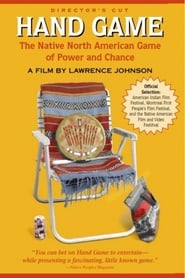
Hand Game
2000
Hand Game
2000
This documentary explores the mythic and historic roots of the most widely played Native gambling game in North America.Silent Shakespeare
2000
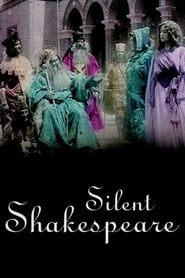
Silent Shakespeare
2000
A BFI collection of 7 short films from the USA, England and Italy scored for Piano, Guitar and String Quartet.Fire and Ice: The Rocket Richard Riot
2000
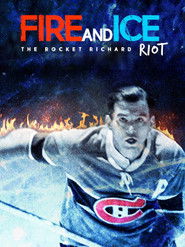
star 1In 1955, as a hotly contested hockey season was coming to an end, the star of the Montreal Canadiens, Maurice "the Rocket" Richard, was suspended for attacking an opponent with a stick and hitting a referee by then president of the NHL Clarence Campbell. This set off a huge riot in the streets of Montreal. The documentary claims, unconvincingly, that this event added to the sparks of the political revolution in Quebec that led to the rise of the separatist movement.Brazil: An Inconvenient History
2000
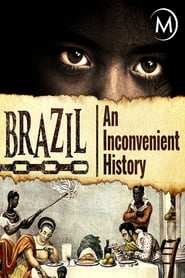
At first glance Brazil appears to be an alluring playground of exciting carnivals, sultry samba, divine football and a vibrantly diverse people. But behind this dazzling facade lies a disturbing story of history’s largest-ever slave population. Astonishingly Brazil, a Portuguese colony, received ten-times more African slaves than the numbers transported to North America. This programme looks at those estimated 4 million people with whose blood, sweat and tears Brazil was built. Without them none of Brazil’s present-day success and appeal would exist. Using contemporary testimonies, this film takes a hard look at Brazil s dark history through the eyes of those slaves. They lived in squalid conditions on remote plantations or in teeming cities harboring fatal diseases. Most Africans survived only seven years in this ‘New World’.Dolphins
2000
Dolphins
2000
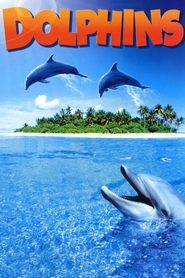
star 5.8From the banks of the Bahamas to the seas of Argentina, we go underwater to meet dolphins. Two scientists who study dolphin communication and behaviour lead us on encounters in the wild. Featuring the music of Sting. Nominated for an Academy Award®, Best Documentary, Short Subject, 2000.Silence Broken: Korean Comfort Women
2000
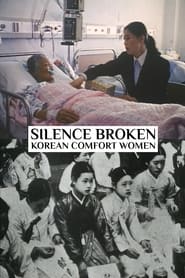
star 10A powerful and emotional documentary about Korean women forced into sexual servitude by the Japanese Imperial Army during World War II, Silence Broken dramatically combines the testimony of former comfort women who demand justice for the "crimes against humanity" committed against them, along with contravening interviews of Japanese soldiers, recruiters and contemporary scholars who deny the existence of comfort women or claim that these victims "did this for money." In the film, these women demand an official apology, admission of moral as well as legal guilt, and compenstion from the Japanese government. They want human dignity and justice restored to them. The individual testimonies in Silence Broken, combined with unusual archival footage and dramatized images, shatter the half-century of silence and create a collective story filled with soulful sorrow and amazing resilience of the human spirit.Nightingale, Not the Only Voice
2000
Nightingale, Not the Only Voice follows the lives of three artists, including the film’s director, on their shared journey through real and psychological oppression to self-discovery. Tang Danhong examines her past—particularly her relationship with her parents—and looks at the painful, formative moments that inform her current psychological state, her life, and her art.BookWars
2000
BookWars
2000
star 4.5An insider's look at the gritty streets of New York City, seen through the eyes of street booksellers.Discovery of Art: Kurt Schwitters
2000
This documentary provides a detailed look at the works of the German artist, now best known for his collages and junk sculpture. Schwitters began painting as an expressionist, but in 1919 he turned to collage, incorporating into his works trash such as train tickets and newspapers, which he exploited for their colour, texture, and surprise value. Includes many of Schwitters' most famous creations filmed during an exhibition of his works at the George Pompidou Museum.Scottsboro: An American Tragedy
2000
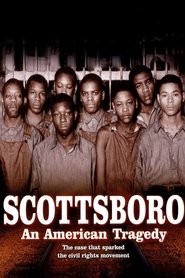
star 8.2A look at the infamous "Scottsboro Boys" case that occurred in Alabama in 1931, in which nine young black men were arrested, tried and quickly convicted in the rape of two white women, despite overwhelming evidence that showed their accusers had falsely accused them and the fact that one of the women later admitted that no rape had in fact occurred (although both had had sexual relations with their boyfriends on the day prior to the "rape"). The case was one of the first that shined a spotlight on what many called the "legal lynchings" that occurred in the South whenever blacks were accused of crimes, especially against whites and most especially against white women.Long Night's Journey Into Day
2000
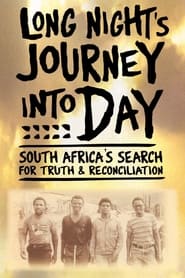
star 6.2This documentary tells four stories of Apartheid in South Africa, as seen through the eyes of the Truth and Reconciliation commissionParagraph 175
2000
Paragraph 175
2000
star 6.5During the Nazi regime, there was widespread persecution of homosexual men, which started in 1871 with the Paragraph 175 of the German Penal Code. Thousands were murdered in concentration camps. This powerful and disturbing documentary, narrated by Rupert Everett, presents for the first time the largely untold testimonies of some of those who survived.Eleanor Roosevelt
2000
Eleanor Roosevelt
2000
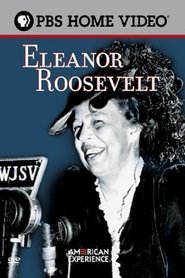
star 8Eleanor Roosevelt struggled to overcome an unhappy childhood, betrayal in her marriage, a controlling mother-in-law, and gripping depressions — all the while staying true to her passion for social justice. This biography includes rare home movies, contemporary footage, and reflections from Eleanor’s closest surviving relatives, as well as biographers Blanche Wiesen Cook, Allida Black, and Geoffrey C. Ward, bringing to vibrant life one of the century’s most influential women.Sissy
2000
Sissy
2000
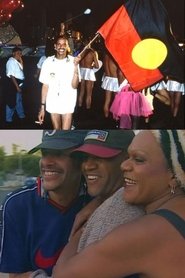
star 9SISSY takes you behind the scenes to give a rare insight into a subculture that has created its own space within the gay culture, and it explores the bond that sets the black 'sisterhood' apart from white gays. SISSY is an expression of gay black identity: 'We are glamorous, we are here and we are queer.'Cuban Roots/Bronx Stories
2000
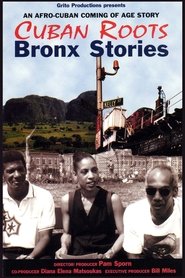
star 10This documentary traces the tangled paths and multifaceted identity of a black Cuban family in the Bronx. The subjects of this film experienced firsthand some of the great historical events of the 20th century – they saw Castro’s arrival in Havana and had their neighborhood bombed in the Bay of Pigs invasion; one son fought in Vietnam and a daughter marched against it. Both working-class and professional, black and Latino, foreign and native, Spanish-speaking and English-speaking, the family is shown in the constant process of negotiating its identity. On their arrival in Miami, the family immediately encountered racial segregation, and as children in a mixed Puerto Rican/African-American neighborhood in the Bronx, they were forced by their playmates to choose their identity: “Are you black or Spanish?” Even the family’s roots in Cuba are complex - the grandfather was the son of Jamaican immigrants to Cuba – and their relation to the Cuban Revolution is ambiguous.Subtango: The Spirit of Tango
2000
A journey to the Buenos Aires underground tango culture, where the elusive soul of tango is to be found... Even after a century of history, after enshrinement as the national music, after rampant commercialization and packaging for export, the tango still speaks to the Argentine soul. Subtango shows how tango music, dance, art and poetry are an essential part of the emotional expression of regular people, featuring the gamblers, ramblers and barroom prophets of the Buenos Aires night, playing weather-beaten accordions and singing old tangos of heartbreak and resentment.The Habits Of New Norcia
2000
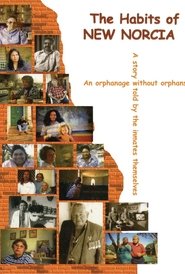
The stories in The Habits of New Norcia are told by former Western Australian Aboriginal child 'inmates' of the New Norcia Benedictine Mission who were separated from their families in the 1940s, 50s and 60s and confined in this "orphanage without orphans". In recent decades the New Norcia Monastery has been packaged as one of the State's leading cultural tourist attractions. "A unique blend of Spanish architecture, European art treasures and pioneer history," "Monks, Music & Mystery," "New Norcia, Australia's only monastic town," the brochures announce. Aboriginal testimony in the film challenges this revised and sanitised history. The documentary provides damming evidence of the continuing violence of the Mission against its victims by deliberate omission of their experience in the New Norcia museum, guided tours, art gallery and promotions — an omission that represents a cruel and wounding cover-up.Sounds of Love and Sorrow
2000
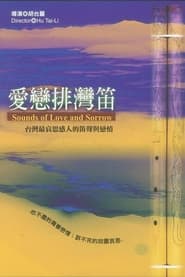
Sounds of Love and Sorrow lets the eerie sounds of the Paiwan flutes including the nose flute, which legend says imitates the call of the deadly hundred-pace snake, mix in with the recollections of tribal elders and traditional tales to present a rich background of Paiwan life in Taiwan. Tribal elders recall the days of the youth and their romances. They tell of the creation of the Paiwan people, and lament the end of tribal life, crushed by the irresistible and contradictory forces of government policies and alien cultural influences. Talking of love, both the charm and cruelty of a traditional society are revealed. For many of the Paiwan, love may be a high point of a young life – but it is also the gateway to sorrow. But in the end, it is the high spirits, the playful romances and the family spirit of the Paiwan which shine through.Goin' to Chicago
2000
Goin' to Chicago
2000
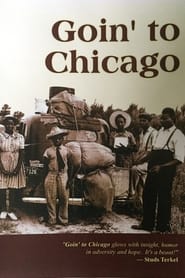
A group of longtime Chicago residents born in the Mississippi Delta returns to Greenville, Mississippi, for a reunion with family and friends. Participants talk about their lives and reasons for migrating north as part of "The Great Migration." Archival footage of Mississippi and Chicago is included.Bridewealth for a Goddess
2000
The film documents the last performance of the ritual for the fertility goddess Amb Kor, in the Western Highlands Province of Papua New Guinea. Shot over a period of approximately 15 years, the anthropologists and filmmakers have been participant-observers during a time of pivotal change for the clans of the Kavelka tribal group.