New Documentary Movies on Kanopy - Page 266
All Services
Free Services
 Netflix
 Amazon Prime Video
 Apple iTunes
 Apple TV Plus
 Disney Plus
 Google Play Movies
 Paramount Plus
 Hulu
Hulu
 HBO Max
 YouTube
 fuboTV
 Peacock
 Peacock Premium
 Amazon Video
 The Roku Channel
 AMC+
AMC on Demand
AMC+
AMC on Demand
 Kocowa
 Hoopla
 The CW
 Vudu
Vudu
 Starz
Starz
 Showtime
 PBS
PBS
 Pantaflix
 FXNow
FXNow
 Tubi TV
 Kanopy
 Comedy Central
 Crunchyroll
 Microsoft Store
 Redbox
 Sun Nxt
 ABC
ABC
 DIRECTV
 Crackle
 Fandor
 Plex
Plex
Netflix
Amazon Prime Video
Apple iTunes
Apple TV Plus
Disney Plus
Google Play Movies
Paramount Plus
Hulu
HBO Max
YouTube
fuboTV
Peacock
Peacock Premium
Amazon Video
The Roku Channel
AMC+
AMC on Demand
Kocowa
Hoopla
The CW
Vudu
Starz
Showtime
PBS
Pantaflix
FXNow
Tubi TV
Kanopy
Comedy Central
Crunchyroll
Microsoft Store
Redbox
Sun Nxt
ABC
DIRECTV
Crackle
Fandor
Plex

From the Ikpeng Children to the World
2001
star 2.7Four Ikpeng children introduce us to life in their village. They show their families, their toys, and their celebrations with grace and lightheartedness. We meet the characters that make up their everyday world - from baby chickens to the village chief - and we see the children helping with chores, learning to hunt, going to school and playing games. Often comparing and contrasting themselves to earlier generations, they are aware of their cultural heritage and how it has changed since their grandparents' time. Engaging and candid, the Ikpeng children are full of curiosity and ask that people of other cultures send their own video-letters.Empire of the Nude: The Victorian Nude
2001
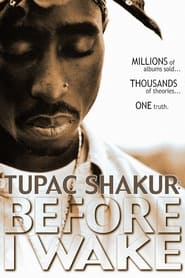
The Victorian era is often cited for its lack of sexuality, but as this documentary reveals, the period's artists created a strong tradition surrounding the classical nude figure, which spread from the fine arts to more common forms of expression. The film explains how 19th-century artists were inspired by ancient Greek and Roman works to highlight the naked form, and how that was reflected in the evolving cultural attitudes toward sex.Tupac Shakur: Before I Wake
2001
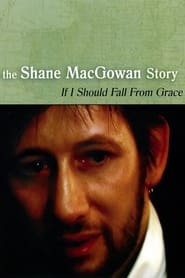
star 7.2A look back on Tupac's final years through the eyes of Tupac's personal bodyguard, Frank Alexander. Featuring never-before-seen footage.If I Should Fall from Grace: The Shane MacGowan Story
2001
star 6.3Music videos and archived footage supplement recent interviews in this documentary of ex-Pogues singer Shane MacGowan. We follow his life from the early days in Ireland and England, through his formation of - and later dismissal from - The Pogues, to his new band The Popes. Shane's family, friends, and former bandmates comment on the music, the rumors, and the alcohol.Big Mama
2000
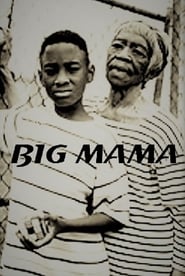
Big Mama
2000
star 6.5Eighteen months in the life of 89 years old Viola Dees as she tries of persuade Los Angeles authorities that she can care for her grandson, 9-year-old Walter.First Person Plural
2000
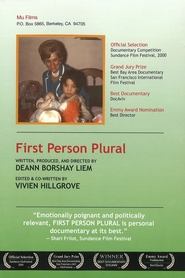
First Person Plural
2000
star 6.5In 1966, Deann Borshay Liem was adopted by an American family and sent from Korea to her new home in California. There, the memory of her birth family was nearly obliterated, until recurring dreams led her to investigate her own past, and she discovered that her Korean mother was very much alive. Bravely uniting her biological and adoptive families, Borshay Liem embarks on a heartfelt journey in this acclaimed film that first premiered on POV in 2000. First Person Plural is a poignant essay on family, loss and the reconciling of two identities.Cunnamulla
2000
Cunnamulla
2000
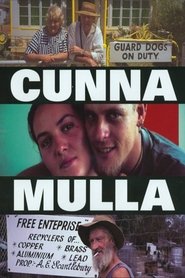
star 5.6Cunnamulla, 800 kilometres west of Brisbane, is the end of the railway line. In the months leading up to a scorching Christmas in the bush, there's a lot more going on than the annual lizard race. Here, Aboriginal and white Australians live together but apart. Creativity struggles against indifference, eccentricity against conformity.Antietam: A Documentary Film
2000
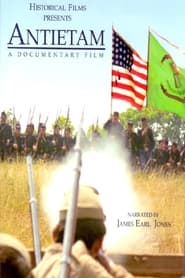
Re-enactments illustrate the details of the three principle stages of the battle of Antietam, fought November 17th, 1862. Also features animated tactical maps, dramatic readings of personal papers, and expert narrative commentary.Supermassive Black Holes
2000
star 8"Horizon" examines the recent discovery of supermassive black holes, which spawn galaxies even as they threaten to destroy everything in their path.Who Owns the Past?
2000
Who Owns the Past?
2000
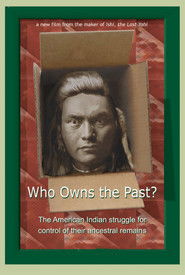
This documentary, narrated by Academy Award winner Linda Hunt and directed by Jed Riffe, tells the story of how the discovery of a 9,000-year-old skeleton on the banks of the Columbia River near Kennewick, Washington, reignited the conflict between anthropologists and Native peoples over the control of human remains found on ancestral Indigenous lands.Sound and Fury
2000
Sound and Fury
2000
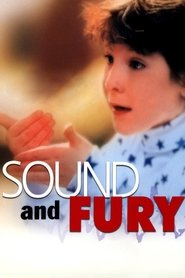
star 7.1A documentary film released in 2000 about two American families with young deaf children and their conflict over whether or not to give their children cochlear implants, surgically implanted devices that may improve their ability to hear but may threaten their deaf identity.This Is What Democracy Looks Like
2000
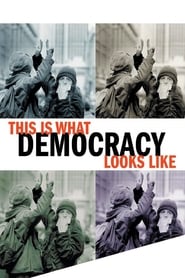
star 7.3This film, shot by 100 amateur camera operators, tells the story of the enormous street protests in Seattle, Washington in November 1999, against the World Trade Organization summit being held there. Vowing to oppose, among other faults, the WTO's power to arbitrally overrule nations' environmental, social and labour policies in favour of unbridled corporate greed, protestors from all around came out in force to make their views known and stop the summit. Against them is a brutal police force and a hostile media as well as the stain of a minority of destructively overzealous comrades. Against all odds, the protesters bravely faced fierce opposition to take back the rightful democratic power that the political and corporate elite of the world is determined to deny the little people.I Remember Me
2000
I Remember Me
2000
star 5.6In 1984-85, people at Lake Tahoe fell ill with flu symptoms, but they didn't get better. Medical literature documents similar outbreaks: in 1934 at LA county hospital, in 1948-49 in Iceland, in 1956 in Punta Gorda, Florida. The malady now has a name, chronic fatigue syndrome, and filmmaker Kim Snyder, who suffered from the disease for several years, tells her story and talks to victims and their families, and to physicians and researchers: is it viral, it is psychosomatic, is it one disease or several (a syndrome) ; what's the CDC doing about it; what's it like to have a disease that's not yet understood? Her inquiry takes her to Punta Gorda and to a high-school graduation.Live Nude Girls Unite!
2000
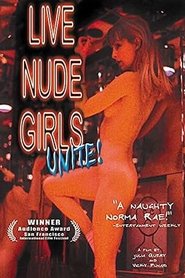
star 3.8Documentary look at the 1996-97 effort of the dancers and support staff at a San Francisco peep show, The Lusty Lady, to unionize. Angered by arbitrary and race-based wage policies, customers' surreptitious video cameras, and no paid sick days or holidays, the dancers get help from the Service Employees International local and enter protracted bargaining with the union-busting law firm that management hires. We see the women work, sort out their demands, and go through the difficulties of bargaining. The narrator is Julia Query, a dancer and stand-up comedian who is reluctant to tell her mother, a physician who works with prostitutes, that she strips.KPFA On the Air
2000
KPFA On the Air
2000
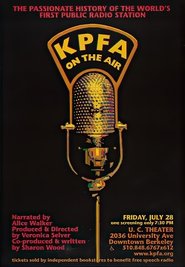
star 4.5Novelist Alice Walker narrates a documentary about the oldest independent radio station in the world, KPFA radio.Gaea Girls
2000
Gaea Girls
2000
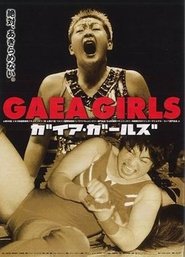
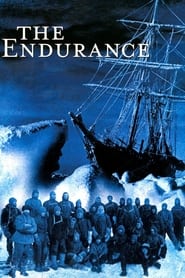
star 6.4This fascinating documentary is based around the Japanese wrestling organisation Gaea's rural training camp, and traces, in the main, the careers of four hopefuls. In charge are two magnificent specimens, the butch champion Chigusa Nagayo, still venting her hurt at the hands of her army father as she tries to whip her surrogate daughters through the pain and commitment barriers; and her sophisticated and slightly menacing Chairman. It's a gruelling, physical film, as you would expect, but the makers don't make heavy weather of it. And it certainly disposes of any idea that the game is faked.The Endurance
2000
The Endurance
2000
star 6.9Documentary on the Shackleton Antartic expedition. A retelling of Sir Ernest Shackleton's ill-fated expedition to Antarctica in and the crew of his vessel 'The Endurance', which was trapped in the ice floes and frigid open ocean of the Antarctic in 1914. Shackleton decided, with many of his crew injured and weak from exposure and starvation, to take a team of his fittest men and attempt to find help. Setting out in appalling conditions with hopelessly inadequate equipment, they endured all weather and terrain and finally reached safety. Persuading a local team of his confidence that the abandoned team would still be alive, he set out again to find them. After almost 2 years trapped on the ice, all members of the crew were finally rescued.Dark Days
2000
Dark Days
2000
star 7.2A cinematic portrait of the homeless population who live permanently in the underground tunnels of New York City.Light Keeps Me Company
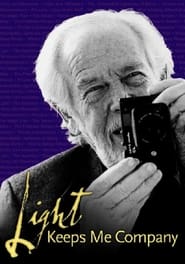
2000
star 7.8Carl-Gustaf Nykvist's documentary about his father, Sven Nykvist. The film is based on Sven's memoirs with Sven himself as narrator. A journey to the place of birth, Moheda, constitutes the hub of the film and during the journey friends and memories emerge. Written by Fredrik KlassonThe Original Kings of Comedy
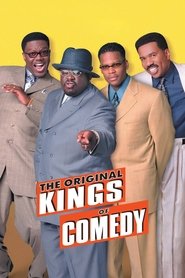
2000
star 6.4The house is rockin' and the laughs are rollin' as comedians Steve Harvey (The Steve Harvey Show), D.L. Hughley (The Hughleys), Cedric The Entertainer (The Steve Harvey Show) and Bernie Mac (Life) meet in this riotously comedy summit directed by Spike Lee.