New Documentary Movies on Kanopy - Page 279
All Services
Free Services
 Netflix
 Amazon Prime Video
 Apple iTunes
 Apple TV Plus
 Disney Plus
 Google Play Movies
 Paramount Plus
 Hulu
Hulu
 HBO Max
 YouTube
 fuboTV
 Peacock
 Peacock Premium
 Amazon Video
 The Roku Channel
 AMC+
AMC on Demand
AMC+
AMC on Demand
 Kocowa
 Hoopla
 The CW
 Vudu
Vudu
 Starz
Starz
 Showtime
 PBS
PBS
 Pantaflix
 FXNow
FXNow
 Tubi TV
 Kanopy
 Comedy Central
 Crunchyroll
 Microsoft Store
 Redbox
 Sun Nxt
 ABC
ABC
 DIRECTV
 Crackle
 Fandor
 Plex
Plex
Netflix
Amazon Prime Video
Apple iTunes
Apple TV Plus
Disney Plus
Google Play Movies
Paramount Plus
Hulu
HBO Max
YouTube
fuboTV
Peacock
Peacock Premium
Amazon Video
The Roku Channel
AMC+
AMC on Demand
Kocowa
Hoopla
The CW
Vudu
Starz
Showtime
PBS
Pantaflix
FXNow
Tubi TV
Kanopy
Comedy Central
Crunchyroll
Microsoft Store
Redbox
Sun Nxt
ABC
DIRECTV
Crackle
Fandor
Plex

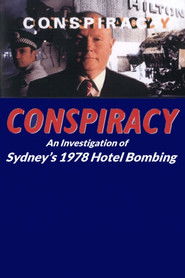
Conspiracy: An Investigation of Sydney’s 1978 Hotel Bombing
1994
Australia was rocked on February 13, 1978, when a bomb placed in a garbage bin outside the Hilton Hotel exploded in a garbage truck killing three people. Many years later, Australia's most significant political crime remains unsolved.Warrior Marks
1994
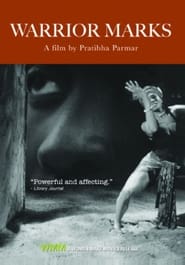
Warrior Marks
1994
WARRIOR MARKS is a poetic and political film about female genital mutilation from the director of A PLACE OF RAGE, presented by the Pulitzer Prize winning author of THE COLOR PURPLE and POSSESSING THE SECRET OF JOY. Female genital mutilation affects one hundred million of the world’s women and this remarkable film unlocks some of the cultural and political complexities surrounding this issue. Interviews with women from Senegal, Gambia, Burkino Faso, the United States and England who are concerned with and affected by genital mutilation are intercut with Walker’s own personal reflections on the subject.Part Two: The Mao Years 1949–1976
1994
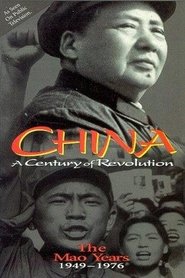
star 7The trilogy continues with The Mao Years, a look at the next period of modern China’s history: Mao Zedong’s rule, from 1949 to his death in 1976. The film begins with the celebrations marking the establishment of the People’s Republic of China, a moment of great hope for millions of Chinese. But the quarter-century of Mao’s rule was as turbulent as the decades which preceded it. Interludes of relative calm and increased prosperity were interrupted repeatedly by violent campaigns, purges, and a famine in which killed more than 30 million people. It culminated in Mao’s colossal and tragic experiment, the Great Proletarian Cultural Revolution. When Mao died in 1976, people were exhausted by the turmoil and longed for stability.The Forgotten Force
1994
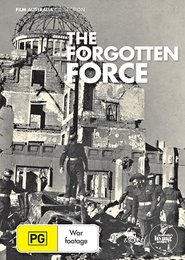
The Forgotten Force
1994
star 6After the atomic obliteration of Hiroshima and Nagasaki, over 36,000 Australian men and women, part of the British Commonwealth Occupation Force (BCOF), marched onto Japanese soil. They were assigned the toughest and most dangerous area of Japan: Hiroshima Prefecture, which included the atom-bombed city. The Forgotten Force tells for the first time the story of Australia's role in Japan. Rare archival and private footage, photographs and eyewitness accounts from both sides vividly recreate the atmosphere of post-war Japan - the horror of Hiroshima and its aftermath; the struggle to build a new "democratic" society while under the heel of military rule; the growth from suspicion and fear to friendship and trust between foes.Senhora Aparecida
1994
Senhora Aparecida
1994
star 5.7In Aparecida, 50 Km from o’Porto, the atmosphere surrounding this years preparation of the yearly festivities is tense: the new priest aims to discouraje the "Promise payers" from doing it having themselves carried in open coffins through the village untill th chappel of the Appeared Lady. Superstition against Theological Argument, fidelity to the vows or reinterpretation… The conflict becomes unavoidable. It’s the local identity and its inhabitants identity that’s in stake. If this type of processions were common in the last century on the north of the Iberian Peninsula, this one, will probably be the last in Portugal. At the village of Senhora Aparecida the festivities of August are set. The main wooden bier that will carry the Saint may be 15 metres high. It is now being assembled and decorated. Those who escaped death now celebrate life. The Lady redistributes the power she's been given.The Smell of Burning Ants
1994
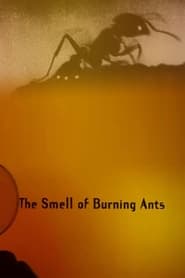
star 5.8A haunting documentary on the pains of growing up male. It explores the inner and outer cruelties that boys perpetrate and endure. The film provokes the viewer to reflect on how our society can deprive boys of wholeness.Glitterbug
1994
Coming Out Under Fire
1994
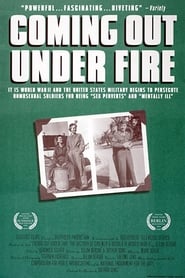
star 3.9A historical account of military policy regarding homosexuality during World War II. The documentary includes interviews with several homosexual WWII veterans.In Darkest Hollywood: Cinema and Apartheid
1994
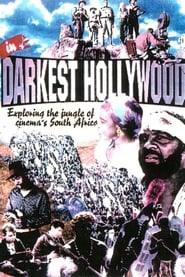
A documentary overview and ideological critique of the South African film industry and cinema's historical relationship with apartheid.The Life and Times of Allen Ginsberg
1994
star 5.3Visionary, radical, spiritual seeker, renowned poet, founding member of a major literary movement, champion of human rights, Buddhist, political activist and teacher. Allen Ginsberg's remarkable life challenged the very soul of the United States.David Macaulay: Roman City
1994
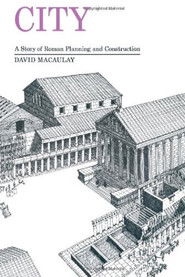
star 9The glories of Ancient Rome are explored in ROMAN CITY, based on David Macaulay's acclaimed book. This animated and live-action video recounts life in Verbonia, a fictional city in Gaul. A well-planned town with all modern conveniences, it is threatened by conflict between conquerors and conquered. Macaulay also visits Pompeii, Herculaneum, Ostia, Nimes, Orange, and Rome, to view actual Roman architecture and engineering greatness.Michael Caine: Breaking the Mold
1994
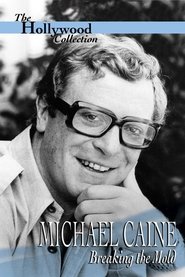
A documentary about actor Michael Caine. Narrated by Caine himself, it includes interviews of his family, friends and colleagues and clips from some of his films.Pram Factory
1994
Pram Factory
1994
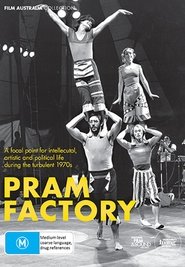
In the early 1970s, a theatre collective - the Australian Performing Group - based itself in a building called the Pram Factory, now synonymous with the people and events that laid the groundwork for a renaissance in Australian culture. The Pram was a ‘scene’, a 24-hour happening, a radical alternative to the mainstream. Those who lived and worked at the Pram expected the world to come to them - and for a while it did. (The building was eventually demolished to make way for a supermarket.)Boatman
1994
Boatman
1994
star 6.5In a series of small portraits, Gianfranco Rosi depicts life on and along the banks of the Ganges River. The director’s first film documents the boat trip he took along India’s sacred river with his helmsman, Gopal. They pass tourists and locals, witnessing them bathe, work, or meditate. The film captures the imagination of the endless circle of life and death, which is rooted in the lives of the Indian people, and is convincingly manifested in the way they bid farewell to the dead.Women with Eyes Open
1994
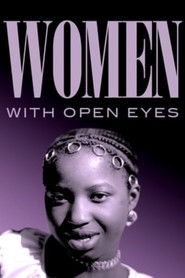
Women with Eyes Open
1994
star 5.9Portraits of contemporary African women from four West African nations: Burkina Faso, Mali, Senegal and Benin.K'Sai Chivit: Threads of Life
1994
K'Sai Chivit: Threads of Life documents the ancient art form of Khmer silk weaving and its place in Cambodian society today. For over a thousand years, Cambodian weavers have been producing a variety of elegant silks, however current societal hardships Cambodians face have dramatically hindered this production. Organizations like UNESCO have began to take part in the revitalization of Khmer weaving, and have established training programs across the region to increase job opportunities and economic independence.Robert Morris: Retrospective
1994
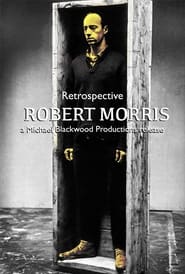
This retrospective exhibition gives brilliant insight into the artist’s work of the last 4 decades. Credit for this highly sensitive selection of Morris’ work goes to Rosalind Krauss, who curated the exhibition. We invited artist and curator to come back to the Guggenheim Museum for a second look at the exhibition. The filmed walk-through gives a vivid sense of the artist’s progress and documents the views of the artist and Rosalind Krauss, one of the most significant critics of our time.Paul Robeson: 20th Century Renaissance Man, Entertainer & Activist
1994
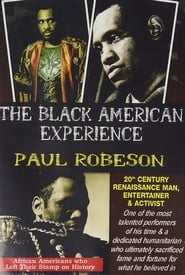
Paul Robeson was a celebrated African-American Actor, Athlete, Singer, Writer, and Civil Rights Activist. Robeson's many achievements are chronicled in this program, ranging from playing with the NFL to graduating from Columbia Law School, performing on Broadway and in Hollywood films to founding the American Crusade against Lynching as well as Council on African Affairs. Robeson was one of the most talented performers of his time and a dedicated humanitarian who ultimately sacrificed fame and fortune for what he believed in. His association with Leftist Politics during the era of the Cold War, and frequent denouncing of American political parties led to his eventual blacklisting with other prominent writers and artists during the McCarthy Era. His talents in all areas are remarkable, and his dedication to attaining a peaceful coexistence between all the people of the world is truly admirable.Musical Outsiders: An American Legacy
1994
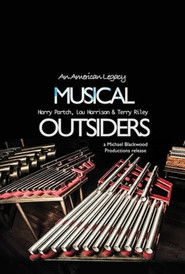
star 6American composers have long struggled against the momentum of the Western European classical tradition and the prestige it has held in America's cultural life. "I did not want to have any stricture at all, I wanted to be completely free." So spoke Harry Partch, describing not only his own path, but also that of two other influential American composers: Lou Harrison and Terry Riley. They were attracted to musical ideas and sounds outside of the surrounding classical mainstream. Together they offer a deeper understanding of what those alternatives are and how they have affected American culture.The Bowery
1994
The Bowery
1994
star 7.3Documentary about the history, people, and culture of New Yorks' Bowery Street and neighborhood.