New Documentary Movies on Kanopy - Page 283
All Services
Free Services
 Netflix
 Amazon Prime Video
 Apple iTunes
 Apple TV Plus
 Disney Plus
 Google Play Movies
 Paramount Plus
 Hulu
Hulu
 HBO Max
 YouTube
 fuboTV
 Peacock
 Peacock Premium
 Amazon Video
 The Roku Channel
 AMC+
AMC on Demand
AMC+
AMC on Demand
 Kocowa
 Hoopla
 The CW
 Vudu
Vudu
 Starz
Starz
 Showtime
 PBS
PBS
 Pantaflix
 FXNow
FXNow
 Tubi TV
 Kanopy
 Comedy Central
 Crunchyroll
 Microsoft Store
 Redbox
 Sun Nxt
 ABC
ABC
 DIRECTV
 Crackle
 Fandor
 Plex
Plex
Netflix
Amazon Prime Video
Apple iTunes
Apple TV Plus
Disney Plus
Google Play Movies
Paramount Plus
Hulu
HBO Max
YouTube
fuboTV
Peacock
Peacock Premium
Amazon Video
The Roku Channel
AMC+
AMC on Demand
Kocowa
Hoopla
The CW
Vudu
Starz
Showtime
PBS
Pantaflix
FXNow
Tubi TV
Kanopy
Comedy Central
Crunchyroll
Microsoft Store
Redbox
Sun Nxt
ABC
DIRECTV
Crackle
Fandor
Plex

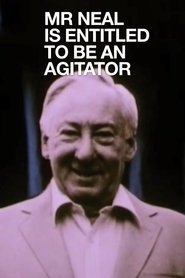
Mr Neal Is Entitled to Be an Agitator
1991
In the last four years of his life, Lionel Murphy was at the centre of an historic battle to retain his position on the High Court in Australia. While the film concentrates on this period and the events leading up to it, in a wider sense, it uses the dramatic story of Murphy as a vehicle to consider some more fundamental issues about law. The film tackles the problem of police and security surveillance of the individual in Australian society and in particular, of prominent political and legal figures.Stop the Church
1991
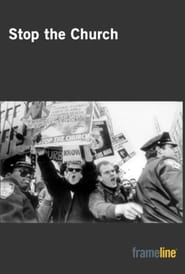
Stop the Church
1991
star 5Cinéma Vérité documentary of ACT UP New York's and WHAM!'s December 10, 1989 action at St. Patrick's Cathedral in New York CityDaddy and the Muscle Academy
1991
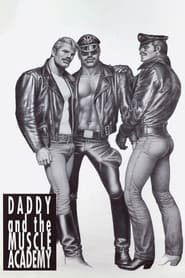
star 5.5Tom of Finland is one of the gay world's few authentic icons. His drawings have had an enormous influence on gay identity. Tom's ultimate leather men are known and seen everywhere. They are symbols of gay pride and friendship. The documentary includes some titillating 'enactments' inspired by Tom's art work.Intimate Stranger
1991
November's Children: Revolution in Prague
1991
star 3A first-hand account of the tumultuous events of 1989 when a student-led revolution succeeded in overthrowing Czechoslovakia's repressive Communist regime. The film, which includes rare government and underground footage, follows the lives of three Czechoslovak students whose leadership helped ignite the 'Velvet Revoution' and eventually establish a democratic government. Directed by Oscar-winner Allan Miller, it features interviews with students, activists and the country's new president, Vaclav Havel.Empire of the Air: The Men Who Made Radio
1991
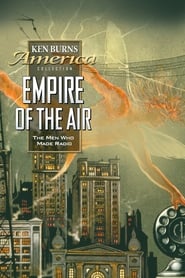
star 7.5For 50 years radio dominated the airwaves and the American consciousness as the first “mass medium.” In Empire of the Air: The Men Who Made Radio, Ken Burns examines the lives of three extraordinary men who shared the primary responsibility for this invention and its early success, and whose genius, friendship, rivalry and enmity interacted in tragic ways. This is the story of Lee de Forest, a clergyman’s flamboyant son, who invented the audion tube; Edwin Howard Armstrong, a brilliant, withdrawn inventor who pioneered FM technology; and David Sarnoff, a hard-driving Russian immigrant who created the most powerful communications company on earth.Funny Ladies: A Portrait of Women Cartoonists
1991
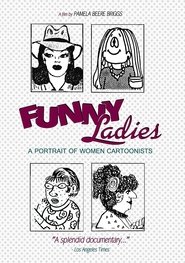
Profiles on the creative processes of Dale Messick, Cathy Guisewite, Nicole Hollander, and Lynda Barry, preceded by a brief overview of early female comic strip artists.Madonna: Truth or Dare
1991
star 6.2From the rains of Japan, through threats of arrest for 'public indecency' in Canada, and a birthday tribute to her father in Detroit, this documentary follows Madonna on her 1990 'Blond Ambition' concert tour. Filmed in black and white, with the concert pieces in glittering MTV color, it is an intimate look at the work of the icon, from a prayer circle before each performance to bed games with the dance troupe afterwards.Satellite Dreaming
1991
Satellite Dreaming
1991
History and Memory: For Akiko and Takashige
1991
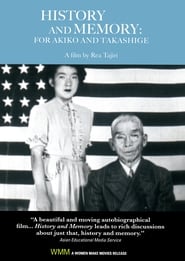
This film is a poetic composition of recorded history and non-recorded memory. Filmmaker Rea Tajiri’s family was among the 120,000 Japanese and Japanese Americans who were imprisoned in internment camps after the attack on Pearl Harbor. And like so many who were in the camps, Tajiri’s family wrapped their memories of that experience in a shroud of silence and forgetting. This film raises questions about collective history – questions that prompt Tajiri to daringly re-imagine and re-create what has been stolen and what has been lost.Something to Do with the Wall
1991
star 7In 1986, Ross McElwee (Sherman's March) and Marilyn Levine were making a film about the 25th anniversary of the Berlin Wall, when the imposing structure was still very much intact as the world’s most visible symbol of hardline Communism and Cold War lore. They thought they were making a documentary on the community of tourists, soldiers, and West Berliners who lived in the seemingly eternal presence of the graffiti emblazoned eyesore. But in 1989, as the original film neared completion, the Wall came down, and McElwee and Levine returned to Berlin, this time to capture the radically different atmosphere of the reunified city.Robert Mitchum: The Reluctant Star
1991
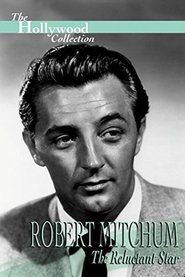
star 7.5A retrospective on the career of Robert Mitchum through interviews with friends and co-workers, scenes from his films and the actor himself.Last Year Titanic
1991
Last Year Titanic
1991
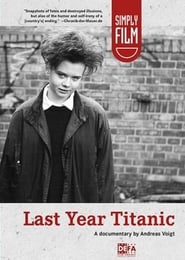
star 5.7Director Andreas Voigt interviewed people of different ages and social backgrounds about their experiences after the fall of the Berlin Wall. He paints an important picture of this historic period in German history, filled with radical social and economic change and insecurity. Last Year Titanic was shot from December 1989 through December 1990 — the last months of the GDR and the first months in united Germany.Bulky Trash
1991
Bulky Trash
1991
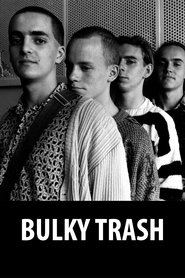
In early summer 1989, Helke Misselwitz portrays young musicians in a band who produce their music on other people’s waste items. The four boys call themselves "Bulk Rubbish" and they drum out their resentment, having grown up on the new housing estates of East Berlin. A straight-up picture of the GDR youth is presented here, which in no way conforms to the official image. The film crew concentrates on the observation of the boy Enrico and his mother Erika: when the mother marries in the West, her son decides to stay in East Berlin, bidding her farewell at the border-crossing. Only shortly after, the tables are turned again: as the events in Berlin leading up to the fall of the Wall are practically captured live from the film crew, Enrico insists on maintaining his cultural identity, even after the fall of the Wall. The "Bulk Rubbish" musicians want to remain citizens of their own state and perceive the looming reunification with scepticism.Coney Island
1991
Coney Island
1991
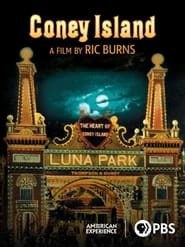
star 6Before there was Disneyland, there was Coney Island. By the turn of the century, this tiny piece of New York real estate was internationally famous. On summer Sundays, three great pleasure domes--Steeplechase, Luna Park and Dreamland--competed for the patronage of a half-million people. By day it was the world's most amazing amusement park, by night, an electric "Eden".The Japanese Version
1991
The Japanese Version
1991
star 7How the Japanese process American pop culture and make it their own -- a mind-bending odyssey through cultural mixing.Days of Waiting: The Life & Art of Estelle Ishigo
1991
star 7.7The story of Estelle Ishigo, one of the few Caucasians interned with Japanese Americans during World War II. The wife of a Japanese American, Ishigo refused to be separated from her husband and was interned along with him. Based on the personal papers of Estelle Ishigo and her novel Lone Heart Mountain.Maria's Story
1991
Maria's Story
1991
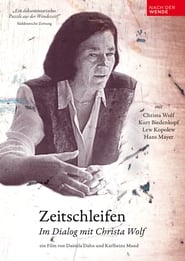
It is El Salvador, 1989, three years before the end of a brutal civil war that took 75,000 lives. Maria Serrano, wife, mother, and guerrilla leader is on the front lines of the battle for her people and her country. With unprecedented access to FMLN guerrilla camps, the filmmakers dramatically chronicle Maria's daily life in the war.Time Loops - A Conversation with Christa Wolf
1991
star 8Journalist Daniela Dahn interviews the East-German author Christa Wolf during the German reunification: reflections on history, changing politics, life and work.Thomas Sankara
1991
Thomas Sankara
1991
star 6Captain Thomas Sankara was the leader of the Burkinabe Revolution. This film is a biographical profile of the revolutionary, the improvements he generated in his country and the new socio-political dimension he instituted in Burkina Faso.