New Documentary Movies on Kanopy - Page 280
All Services
Free Services
 Netflix
 Amazon Prime Video
 Apple iTunes
 Apple TV Plus
 Disney Plus
 Google Play Movies
 Paramount Plus
 Hulu
Hulu
 HBO Max
 YouTube
 fuboTV
 Peacock
 Peacock Premium
 Amazon Video
 The Roku Channel
 AMC+
AMC on Demand
AMC+
AMC on Demand
 Kocowa
 Hoopla
 The CW
 Vudu
Vudu
 Starz
Starz
 Showtime
 PBS
PBS
 Pantaflix
 FXNow
FXNow
 Tubi TV
 Kanopy
 Comedy Central
 Crunchyroll
 Microsoft Store
 Redbox
 Sun Nxt
 ABC
ABC
 DIRECTV
 Crackle
 Fandor
 Plex
Plex
Netflix
Amazon Prime Video
Apple iTunes
Apple TV Plus
Disney Plus
Google Play Movies
Paramount Plus
Hulu
HBO Max
YouTube
fuboTV
Peacock
Peacock Premium
Amazon Video
The Roku Channel
AMC+
AMC on Demand
Kocowa
Hoopla
The CW
Vudu
Starz
Showtime
PBS
Pantaflix
FXNow
Tubi TV
Kanopy
Comedy Central
Crunchyroll
Microsoft Store
Redbox
Sun Nxt
ABC
DIRECTV
Crackle
Fandor
Plex

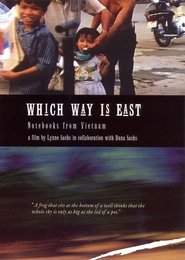
Which Way Is East: Notebooks from Vietnam
1994
star 6In this illuminating study of cultural contrasts, American filmmaker Lynne Sachs and her sister, Dana, travel north from Ho Chi Minh City to Hanoi, recording conversations with Vietnamese strangers and friends. The sisters' expansive travel diary covers tourism, insights into city life, pervasive culture clashes and a bracing historic inquiry. What begins as a picaresque road trip soon blossoms into a richer social and political discourse.FDR: Years of Crisis
1994
FDR: Years of Crisis
1994
star 3.8Franklin D. Roosevelt's life and political career are examined in this biography. Using rare historical footage and images, it delves into his early days as he entered politics, his battle with polio, his presidency, up to his death in 1945.The Legend of Dolemite! Bigger & Badder
1994
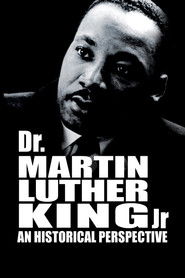
Rudy Ray Moore tells all as only he can in this all-new retrospective legendary career. From his humble beginnings to his crowning as "King of the Party Records," Rudy Ray guides us through his struggles and triumphs in the film and music industries.Dr. Martin Luther King, Jr.: A Historical Perspective
1994
star 7Documentary film focuses on the Civil Rights leader's many groundbreaking accomplishments. Footage covers Dr. King's war on poverty and his staunch opposition to the Vietnam War. Also included is his stirring "I Have a Dream" speech.Cinema of Vengeance
1994
Cinema of Vengeance
1994
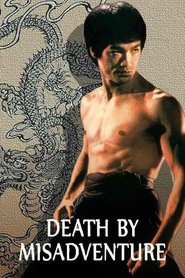
star 5.4A documentary study of martial arts films and their leading protagonists. Included are profiles of such artists as Bruce Lee, Cynthia Rothrock, Jackie Chan, Jean-Claude Van Damme and John Woo favorite Chow Yun-Fat.Death by Misadventure: The Mysterious Life of Bruce Lee
1993
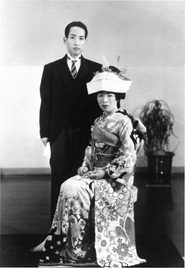
star 8.1Death by Misadventure: The Mysterious Life of Bruce Lee exposes the truth behind Lee's death and the cover-up that ensued.The Good Wife of Tokyo
1993
star 6Kazuko Hohki goes back to Tokyo with her band, the ‘Frank Chickens’, after living in England for 15 years. This wry and delightful film records her re-experiencing of Japan after a long absence, examining traditional attitudes to women and those of Kazuko’s friends who are trying to live differently.The Discoverers
1993
The Discoverers
1993
star 4.8The advance of civilization has always depended on the few courageous individuals who are willing to risk reputation and life to seek out the new. This program chronicles the story of some of the world's pathfinders and innovators in a variety of fields, from Madame Curie and Sir Isaac Newton to Albert Einstein. Archival photographs, film clips, interviews, re-enactments, and scholarly commentary are used to tell the story of the discoverers.Monday's Girls
1993
Monday's Girls
1993
"Monday's Girls" explores the conflict between modern individualism and traditional communities in today's Africa through the eyes of two young Waikiriki women from the Niger delta. Although both come from leading families in the same large island town, Florence looks at the iria women's initiation ceremony as an honor, while Azikiwe, who has lived in the city for ten years, sees it as an indignity.These Hands
1993
These Hands
1993
star 8A day in the life of Mozambican women refugees working in a quarry outside Dar es Salaam.Shirley Temple: America's Little Darling
1993
There never was a star quite like her. Adored by adults and children alike, at four she already led at the box office — ahead of Gable and Cooper. Her films saved a movie studio from bankruptcy, and a President credited her with raising the morale of Depression-weary Americans. Her earliest movies gave a foretaste of her talents and soon would become the songs and dances that helped make those movies immortal.Audrey Hepburn: Remembered
1993
star 7.3Audrey Hepburn was one of the movies' best-loved stars, blessed with beauty, talent, an elegant sophistication and an enduring aura of youthful innocence. As Goodwill Ambassador for UNICEF, she spoke for the world's suffering children and families, earning an affection and admiration that only increased with news of her untimely death. From the star herself we learn of her career and the family and friendships that were her priority.Where Are We? Our Trip Through America
1993
star 1Accomplished documentarians Rob Epstein and Jeff Friedman take a trip across the American South and Southwest, asking people about their hopes and fears.Compassion in Exile: The Story of the 14th Dalai Lama
1993
A portrait of His Holiness, the 14th Dalai Lama, which includes historical footage of China's repression of Tibetan Buddhism in 1959.Kisho Kurokawa From Metabolism to Symbiosis
1993
A portrait of the internationally acclaimed Japanese architect who employs Buddhist ideas and western modernism to achieve intercultural architecture.Zoo
1993
Zoo
1993
star 7.2ZOO is a film about the zoo in Miami, Florida, the care and maintenance of the animals by the keepers, the work of the veterinarians and their staff, and the visits to the zoo by people from all over the world. The film presents the wide diversity of interests and activities at the zoo and the interrelatedness of the animal, human, ethical, financial, technical, organizational and research aspects of operating the zoo.One Nation Under God
1993
One Nation Under God
1993
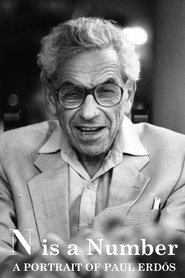
star 4.7Focusing on the contemporary religious Right Wing proliferation of curative therapies for homosexuality, this riveting documentary offers historical context as well as a political analysis of this frighteningly large movement.N is a Number: A Portrait of Paul Erdős
1993
star 7.2In an age when genius is a mere commodity, it is useful to look at a person who led a rich life without the traditional trappings of success. A man with no home and no job, Paul Erdös was the most prolific mathematician who ever lived. Born in Hungary in 1913, Erdös wrote and co-authored over 1,500 papers and pioneered several fields in theoretical mathematics. At the age of 83 he still spent most of his time on the road, going from math meeting to math meeting, continually working on problems. He died on September 20, 1996 while attending such a meeting in Warsaw, Poland.Time Indefinite
1993
Time Indefinite
1993
star 6.9After documentarian Ross McElwee gets married, a series of misfortunes follow: his grandmother dies, his wife miscarries, and then his father dies less than a week later. Shaken by the sudden string of deaths, McElwee becomes depressed. After spending time with his friend and former high school poetry teacher, Charlene, he goes to meet his brother, a doctor. In a series of interviews, McElwee contemplates his morbid preoccupation with death and tries to figure out how to shake it off.Black Man's Houses
1993
Black Man's Houses
1993
In 1832 the government of Van Diemen’s Land sent the last Aboriginal resistance fighters into exile at Wybalenna on Flinders Island, bringing an end to the Black War and opening a new chapter in the struggle for justice and survival by Tasmanian Aboriginal people. Black Man’s Houses tells a dramatic story of the quest by Aboriginal people to reclaim the graves of their ancestors against a background of racism and denial. Documenting a moving memorial re-enactment of the funeral of the great chief Manalargenna, the film also charts the cultural strength and resilience of his descendants as they are forced to fight for recognition in a society that is not ready to remember the terrible events of the past.