New Documentary Movies on Kanopy - Page 311
All Services
Free Services
 Netflix
 Amazon Prime Video
 Apple iTunes
 Apple TV Plus
 Disney Plus
 Google Play Movies
 Paramount Plus
 Hulu
Hulu
 HBO Max
 YouTube
 fuboTV
 Peacock
 Peacock Premium
 Amazon Video
 The Roku Channel
 AMC+
AMC on Demand
AMC+
AMC on Demand
 Kocowa
 Hoopla
 The CW
 Vudu
Vudu
 Starz
Starz
 Showtime
 PBS
PBS
 Pantaflix
 FXNow
FXNow
 Tubi TV
 Kanopy
 Comedy Central
 Crunchyroll
 Microsoft Store
 Redbox
 Sun Nxt
 ABC
ABC
 DIRECTV
 Crackle
 Fandor
 Plex
Plex
Netflix
Amazon Prime Video
Apple iTunes
Apple TV Plus
Disney Plus
Google Play Movies
Paramount Plus
Hulu
HBO Max
YouTube
fuboTV
Peacock
Peacock Premium
Amazon Video
The Roku Channel
AMC+
AMC on Demand
Kocowa
Hoopla
The CW
Vudu
Starz
Showtime
PBS
Pantaflix
FXNow
Tubi TV
Kanopy
Comedy Central
Crunchyroll
Microsoft Store
Redbox
Sun Nxt
ABC
DIRECTV
Crackle
Fandor
Plex

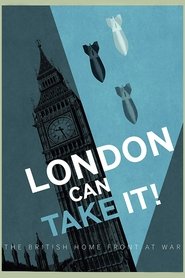
London Can Take It!
1940
London Can Take It!
1940
star 6.6A tribute to the courage and resiliency of Britons during the darkest days of the London Blitz.Ancient Egypt
1939
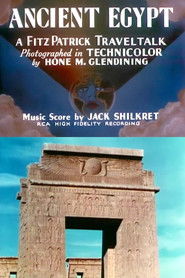
Ancient Egypt
1939
star 6This entry in the TravelTalks series visits the ancient Egypt. starting Valley of the Kings in a remote and desolate part of Egypt, the entrance to tomb of King Tut is shown, though the ts priceless treasure is now in the Cairo museum. A visit to Luxor and the ancient city of Thebes, which date to 1500 BC, follow with subsequent visits to Karnak. The film closes by noting that past and present are in harmony with the water wheel and village well still in wide use in the modern age.Thimble Theater
1938
Thimble Theater
1938
star 7.4One of Joseph Cornell’s funniest films, Thimble Theater is structured like a vaudeville variety show about nature.Children Must Laugh
1936
Children Must Laugh
1936
One of the few surviving documentaries about Jewish life in Poland before World War II, this film was produced to raise funds for the Vladimir Medem Sanitarium, an institution that stood as the embodiment of health and enlightenment, in striking contrast to the grim images of urban Polish-Jewish poverty.Plongeons
1936
Plongeons
1936
From ski jumping to jumping into the Doubs: “Plongeons” is Armand Girard's sporting epic. The watchmaker from Le Locle, who commissioned the film from the Geneva-based company Cinégram S.A., performs physical feats in front of the camera. The most spectacular of these is a jump from a height of 40 meters into the Doubs on 19 July 1936, a record that remained unmatched for a long time. The landscapes of the Jura serve as the backdrop for Girard's sporting achievements, which go beyond nature and physical culture.Night Mail
1936
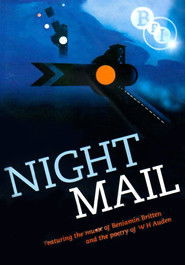
Night Mail
1936
star 6.1This documentary short examines the special train on which mail is sorted, dropped and collected on the run, and delivered in Scotland on the overnight run from Euston, London to Glasgow.Day of Freedom
1935
Day of Freedom
1935
star 6.8The armed forces of the Third Reich, particularly the German army, are presented as an efficient system of bodies and machines at the seventh Nazi Party Rally that occurred in Nuremberg in 1935.Three Songs About Lenin
1934
star 6This documentary, made up of 3 episodes, is based on three songs sung by anonymous people in Soviet Russia about Vladimir Ilyich Lenin.Jazz a la Cuba
1933
Jazz a la Cuba
1933
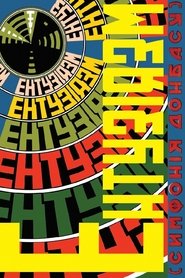
One of the short little films featuring Don Aspiazu of his own orchestra, a good example of the style of Cubano jazz in the 1920's and 1930's, combined with some sporadic, picturesque images of contemporary Cuba.Enthusiasm. Symphony of Donbas
1930
star 6.4An audiovisual symphony that delves into the industrial, agrarian, and cultural fabric of the Donbas region during the inaugural Soviet Five Year Plan. It spotlights anti-religious campaigns, propagandistic marches, and the vibrant athletic culture of its timeThe Silent Enemy
1930
The Silent Enemy
1930
star 6.7In the Canadian Northwest, the Chippewa tribe struggles to find food before the onset of winter.With Byrd at the South Pole
1930
star 6.5With Byrd at the South Pole (1930) is a documentary film about Rear Admiral Richard E. Byrd and his 1st quest to the South Pole beginning at the Little America-Exploration Base. The film's soundtrack consists mostly of music and sound effects, with narration read by Floyd Gibbons. The film won at the 3rd Academy Awards for Best Cinematography.Salt for Svanetia
1930
Salt for Svanetia
1930
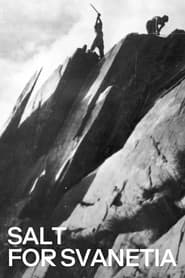
star 6.3An ethnographic treasure that documents with visual bravado the harsh conditions of life in the isolated mountain village of Ushkul.Mechanical Principles
1930
star 6.6Close up we see pistons move up and down or side to side. Pendulums sway, the small parts of machinery move. Gears drive larger wheels. Gears within gears spin. Shafts turn some mechanism that is out of sight. Screws revolve and move other gears; a bit rotates. More subtle mechanisms move other mechanical parts for unknown purposes. Weights rise and fall. The movements, underscored by sound, are rhythmic. Circles, squares, rods, and teeth are in constant and sometimes asymmetrical motion. These human-made mechanical bits seem benign and reassuring.The Steel Road
1929
The Steel Road
1929
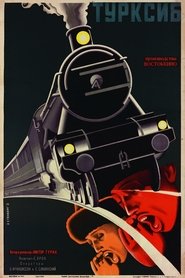
star 5.8Bold and exhilarating documentary account of the building of the Turkestan-Siberian railway, presented as a heroic triumph of Soviet progress over natural adversity.Whoopee!
1929
Whoopee!
1929
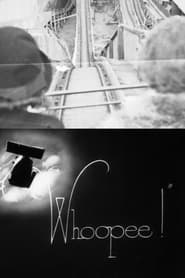
Short film from the British Pathé collection about an amusement park in Germany - various rides are seen, including a Helter Skelter. Was an item in Eve's Film Review issue number 459.Man with a Movie Camera
1929
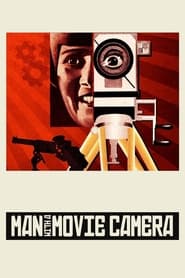
star 7.8A cameraman wanders around with a camera slung over his shoulder, documenting urban life with dazzling inventiveness.Skyscraper Symphony
1929
Skyscraper Symphony
1929
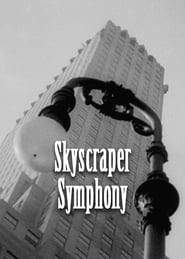
star 5.8A montage of the skyscrapers of Manhattan opens with a succession of stationary views of the upper portions of numerous buildings. This is followed by a wide variety of fluid shots, which also begin to show more and more of the surrounding city, in addition to the skyscrapers themselves.Simba: The King of the Beasts
1928
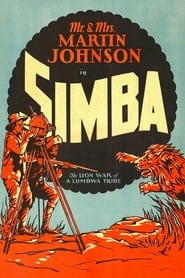
star 7Simba: The King of the Beasts is an 1928 American black-and-white silent documentary film, directed by Martin and Osa Johnson, which features the couple's four-year expedition to track the lion across Kenyan veld to his lair.Berlin: Symphony of a Great City
1927
star 7.5A day in the city of Berlin, which experienced an industrial boom in the 1920s, and still provides an insight into the living and working conditions at that time. Germany had just recovered a little from the worst consequences of the First World War, the great economic crisis was still a few years away and Hitler was not yet an issue at the time.