New Documentary Movies on Kanopy - Page 307
All Services
Free Services
 Netflix
 Amazon Prime Video
 Apple iTunes
 Apple TV Plus
 Disney Plus
 Google Play Movies
 Paramount Plus
 Hulu
Hulu
 HBO Max
 YouTube
 fuboTV
 Peacock
 Peacock Premium
 Amazon Video
 The Roku Channel
 AMC+
AMC on Demand
AMC+
AMC on Demand
 Kocowa
 Hoopla
 The CW
 Vudu
Vudu
 Starz
Starz
 Showtime
 PBS
PBS
 Pantaflix
 FXNow
FXNow
 Tubi TV
 Kanopy
 Comedy Central
 Crunchyroll
 Microsoft Store
 Redbox
 Sun Nxt
 ABC
ABC
 DIRECTV
 Crackle
 Fandor
 Plex
Plex
Netflix
Amazon Prime Video
Apple iTunes
Apple TV Plus
Disney Plus
Google Play Movies
Paramount Plus
Hulu
HBO Max
YouTube
fuboTV
Peacock
Peacock Premium
Amazon Video
The Roku Channel
AMC+
AMC on Demand
Kocowa
Hoopla
The CW
Vudu
Starz
Showtime
PBS
Pantaflix
FXNow
Tubi TV
Kanopy
Comedy Central
Crunchyroll
Microsoft Store
Redbox
Sun Nxt
ABC
DIRECTV
Crackle
Fandor
Plex

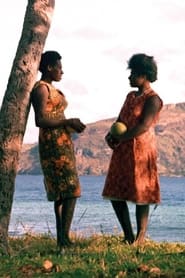
The Islanders
1968
The Islanders
1968
Above the tip of Cape York, beyond the northernmost point of the Australian continent, are the Torres Strait Islands. The economy here is based on home gardens and pearlshell fishing. The culture, with its basis in music, dancing and ceremony, provides a striking contrast to that of mainland Australia. This film, shot in the late 1960s, shows how strongly old traditions still affect Torres Strait Islander people, even though they also have most of the trappings of modern life.Yanomamo: A Multidisciplinary Study
1968
This film illustrates the field techniques used by a multidisciplinary team of researchers from the University of Michigan in collaboration with their Venezuelan colleagues. The film also includes a brief sketch of Yanomamo culture and society.Anatomy of Violence
1967
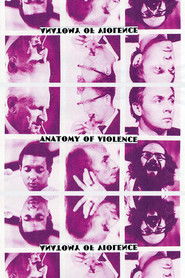
Anatomy of Violence
1967
Documentary of the Symposium on the Dialectics of Liberation and the Demystification of Violence, held in London, July 1967, organized by R.D.Laing, with Stokely Carmichael, Allen Ginsberg, Paul Goodman, Herbert Marcuse, John Gerassi, and many others. An important record of the spectrum of left-wing politics and personalities during the turbulent Sixties.Titicut Follies
1967
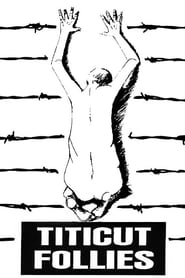
Titicut Follies
1967
star 7.3A stark and graphic portrayal of the conditions that existed at the State Prison for the Criminally Insane at Bridgewater, Massachusetts, and documents the various ways the inmates are treated by the guards, social workers, and psychiatrists.Portrait of Jason
1967
Portrait of Jason
1967
star 6.4Interview with Jason Holliday aka Aaron Payne. House-boy, would-be cabaret performer, and self-proclaimed hustler giving one man's gin-soaked, pill-popped view of what it was like to be black and gay in 1960s United States. Preserved by the Academy Film Archive in partnership with Milestone Films in 2013.Queens At Heart
1967
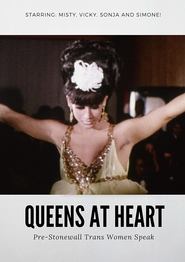
Queens At Heart
1967
star 1A rare archival short, Queens at Heart follows four shockingly courageous pre-Stonewall trans women, Misty, Vicky, Sonja, and Simone. They go out as women at night, but live as men during the day, take hormones, and dream of “going for a change.” Subjected to a six-month psychological project, and cross-examined by dubious “experts” all four women are incredibly captivating subjects—whether being interrogated or partying at the ball.Seed Corn Should Not Be Ground – A Portrait of Käthe Kollwitz
1967
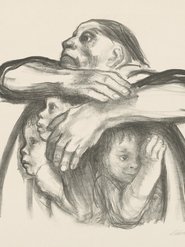
Tetzlaff's documentary combines historic film footage and photographs with quotes from Kollwitz's diary and images of her sculptures and graphic works, including The Weavers' Revolt (1893-97), The Peasant War (1902-08), Woman with the Dead Child (1903) and War (1922-23), her famous series of seven woodcuts.Rush to Judgment
1967
Rush to Judgment
1967
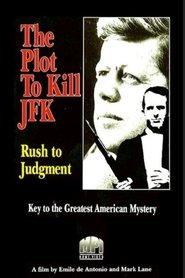
star 6.5Mark Lane interviews witnesses to the Kennedy assassination and exposes serious flaws in the conclusions made by the Warren Commission.Mur 19
1967
9 Variations on a Dance Theme
1967
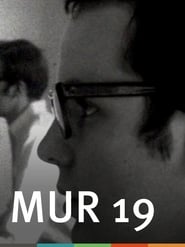
star 6.9Bettie de Jong performs the same dance nine times, starting and ending in a reclined position. As the film proceeds the camera becomes more and more adventurous.Desert People
1967
Desert People
1967
star 5Two Aboriginal families live like their ancestors have for centuries in this anthropological documentary. The gathering of food is the main focus as women harvest grass seeds to make a primitive flour for bread. Grubs, lizards, and fruit are also on the menu, with the only contact with the modern world being their trek to a government compound for much-needed drinking water.Strip
1966
Strip
1966
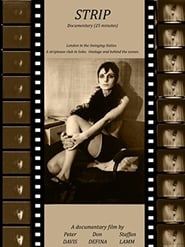
star 1The work of strippers in the Phoenix Club of Old Compton Street, Soho. Includes interviews with the girls, the stage show and backstage scenes.Castro Street
1966
Castro Street
1966
star 6Inspired by a lesson from Erik Satie, a film in the form of a street: Castro Street, running by the Standard Oil Refinery in Richmond, California. Preserved by the Academy Film Archive in partnership with Pacific Film Archive in 2000.Good Times, Wonderful Times
1966
star 4.4Lionel Rogosin's plea for humanity and against war and fascism. For two years, Rogosin traveled to twelve countries to collect footage of war atrocities from their archives. He interspersed these harrowing images with scenes of a London cocktail party's mundane chatter. Good Times, Wonderful Times was released in 1964 at the height of the Vietnam War, and became one of the great anti-war films of the era.The Endless Summer
1966
The Endless Summer
1966
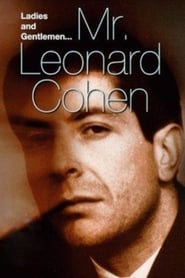
star 7.2Bruce Brown's The Endless Summer is one of the first and most influential surf movies of all time. The film documents American surfers Mike Hynson and Robert August as they travel the world during California’s winter (which, back in 1965 was off-season for surfing) in search of the perfect wave and ultimately, an endless summer.Ladies and Gentlemen, Mr. Leonard Cohen
1966
star 7.2A 1964 documentary portrait of Cohen in his pre-musician days as a poet and stand-up comedian.Life in Australia: Geelong
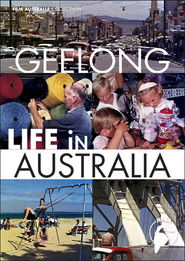
1966
This film showcases an idealised version of life in the Victorian regional city of Geelong — complete with stable jobs, family homes, bustling shops, and thriving sporting and cultural life.Life in Australia: Launceston
1966
A picture of life in the Tasmanian town of Launceston in the mid 1960s.Life in Australia: Hobart
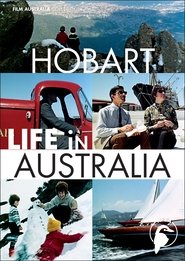
1966
Life in Australia: Hobart shows scenes illustrating daily life, industry, recreation and the tourist features of Hobart, Tasmania.Life in Australia: Geraldton
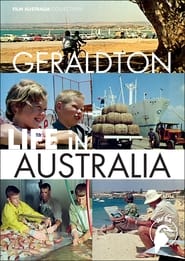
1966
Made by the Department of Immigration to entice immigrants from Great Britain, this film shows an idyllic picture of life in the Western Australian regional town of Geraldton in the mid 1960s.