New Documentary Movies on The Roku Channel - Page 134
All Services
Free Services
 Netflix
 Amazon Prime Video
 Apple iTunes
 Apple TV Plus
 Disney Plus
 Google Play Movies
 Paramount Plus
 Hulu
Hulu
 HBO Max
 YouTube
 fuboTV
 Peacock
 Peacock Premium
 Amazon Video
 The Roku Channel
 AMC+
AMC on Demand
AMC+
AMC on Demand
 Kocowa
 Hoopla
 The CW
 Vudu
Vudu
 Starz
Starz
 Showtime
 PBS
PBS
 Pantaflix
 FXNow
FXNow
 Tubi TV
 Kanopy
 Comedy Central
 Crunchyroll
 Microsoft Store
 Redbox
 Sun Nxt
 ABC
ABC
 DIRECTV
 Crackle
 Fandor
 Plex
Plex
Netflix
Amazon Prime Video
Apple iTunes
Apple TV Plus
Disney Plus
Google Play Movies
Paramount Plus
Hulu
HBO Max
YouTube
fuboTV
Peacock
Peacock Premium
Amazon Video
The Roku Channel
AMC+
AMC on Demand
Kocowa
Hoopla
The CW
Vudu
Starz
Showtime
PBS
Pantaflix
FXNow
Tubi TV
Kanopy
Comedy Central
Crunchyroll
Microsoft Store
Redbox
Sun Nxt
ABC
DIRECTV
Crackle
Fandor
Plex

Kathleen Shannon: On Film, Feminism & Other Dreams
1997
star 1With quiet intelligence and wry humour, retired documentary filmmaker Kathleen Shannon takes us through the arc of her life and career. Beginning with childhood, moving through her formative years, to her overwhelming desire to give women a chance to tell their stories, this film paints a vibrant portrait of one woman who blazed the way. It's a story of struggle, persistence, and success… and of course, of the NFB's Studio D.George Carlin: Personal Favorites
1997
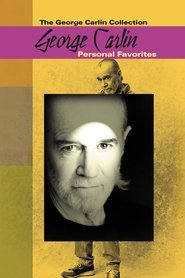
star 7.7After starring in a dozen or so HBO Special Presentations, comedian George Carlin has amassed a substantial body of work in the cable channel's vaults. Personal Favorites is a greatest-hits package, a selection of some of Carlin's best moments on HBO from 1977 to 1998 and, not coincidentally, some of his most enduring comic routines from any medium.In der glanzvollen Welt des Hotel Adlon
1997
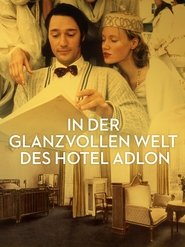
The documentary tells the story of the Berlin luxury hotel, which was built by the director's great-grandfather and fell victim to a fire shortly after the end of the Second World War.Forgotten Warriors
1997
Forgotten Warriors
1997
This documentary introduces us to thousands of Indigenous Canadians who enlisted and fought alongside their countrymen and women during World War II, even though they could not be conscripted. Ironically, while they fought for the freedom of others, they were being denied equality in their own country and returned home to find their land seized.Super Speedway
1997
Super Speedway
1997
star 8.6We follow the Newman-Haas (Andretti) racing team through the process of building, testing, and racing for a season. This includes extensive race speed on-track footage, including some pre-race footage with a full squad of cars. From time to time, we check in with a small shop building/restoring one of the first roadsters Mario Andretti raced; the finale includes him taking it for a spin.Fred MacMurray: The Guy Next Door
1996
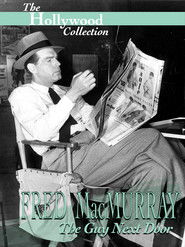
Amiable and unassuming, Fred MacMurray went from small-town boy to one of Hollywood and television's most enduring stars.Jack Lemmon: America's Everyman
1996
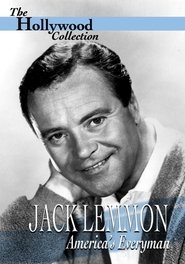
star 7.5Jack Lemmon made over 60 films and received numerous awards, including eight Academy Award Nominations and two Oscars. Later in life, his achievement was enriched by new challenges in which he exposed the vulnerability and emotion of the later years as few had dared. He reveled in his ongoing screen partnerships with directors like Billy Wilder and stars like Walter Matthau. Narrated on-camera by Jack Lemmon, this documentary includes interviews with Lemmon's son, the actor Chris Lemmon. Also appearing are such legends as Jack's life-long friend, the writer and director Billy Wilder, writer-director Garson Kanin, drama teacher Uta Hagen and actor Gregory Peck.Hype!
1996
Hype!
1996
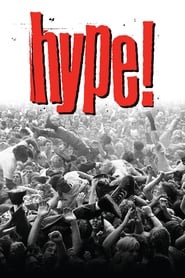
star 7.4This documentary examines the Seattle scene as it became the focus of a merging of punk rock, heavy metal, and innovation. Building from the grass roots, self-promoted and self-recorded until break-out success of bands like Nirvana brought the record industry to the Pacific Northwest, a phenomenon was born.When We Were Kings
1996
When We Were Kings
1996
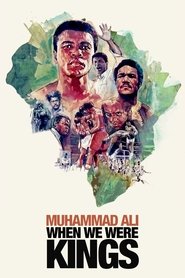
star 7.5It's 1974. Muhammad Ali is 32 and thought by many to be past his prime. George Foreman is ten years younger and the heavyweight champion of the world. Promoter Don King wants to make a name for himself and offers both fighters five million dollars apiece to fight one another, and when they accept, King has only to come up with the money. He finds a willing backer in Mobutu Sese Suko, the dictator of Zaire, and the "Rumble in the Jungle" is set, including a musical festival featuring some of America's top black performers, like James Brown and B.B. King.Frantz Fanon: Black Skin, White Mask
1996
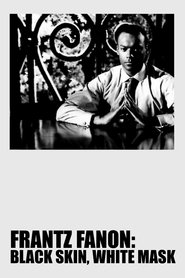
star 7Explores the life and work of the psychoanalytic theorist and activist Frantz Fanon who was born in Martinique, educated in Paris and worked in Algeria. Examines Fanon's theories of identity and race, and traces his involvement in the anti-colonial struggle in Algeria and throughout the world.The Line King: The Al Hirschfeld Story
1996
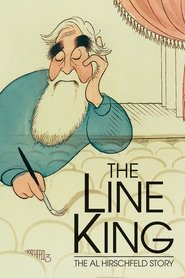
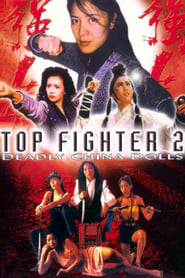
star 7The childhood, adolescence, and incredible adult years of Al Hirschfeld, celebrated creator of thousands of line drawings of famous people - many in the entertainment industry - over a span of more than sixty years. He is still drawing in his nineties. His interesting domestic life, political, and cultural views are highlights. In addition, he talks about himself a bit - seriously and lightly.(At one point he he claims that his only form of exercise has been to live in his Manhattan townhouse: stairs). He drives his car around Manhattan - an adventure in itself. Brief interviews with, and reminiscences of many friends and associates.Top Fighter 2
1996
Top Fighter 2
1996
star 4.6The sequel to "Top Fighter" focuses on the importance of women in martial arts movies, from starting as the "hero's girl" to becoming superstars by themselves. Featuring Angela Mao, Michelle Yeoh, Cynthia Rothrock and more.Your Mother Wears Combat Boots: Dyke Moms Rant
1996
Four out lesbian mothers from Vancouver candidly discuss their experiences of being young mothers in the queer community.Shirley Maclaine: Kicking Up Her Heels
1996
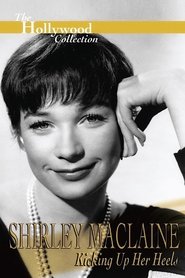
star 6.4Shirley MacLaine was the product of a strict middle-class background from which she and her brother, the future actor Warren Beatty, escaped into the fantasy world of show-biz. Her ballet training and her long-legged pixie charm led to rapid success on Broadway in musical comedy. Inevitably, Hollywood called and by 1955 Shirley was cast in Hitchcock's "The Trouble With Harry." It wasn't too long before the fine dramatic roles also came to her opposite the most popular leading men of the time, like Fred MacMurray, Jack Lemmon, Frank Sinatra, Clint Eastwood and Robert Mitchum.The Fatal Game
1996
The Fatal Game
1996
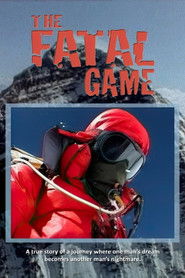
star 8.2In 1994, New Zealand mountaineer, Mark Whetu, summitted Mt Everest with climbing partner and friend Mike Reinberger. However it was late in the day and after a freezing night on the summit, Whetu was faced with a terrible decision...to leave Reinberger or stay with him forever.Stunder av lycka
1996
Stunder av lycka
1996
A documentary about the caravan campers of Tofta Södra, Gotland, Sweden. A high dose of swedish summer.Ingrid Bergman Remembered
1996
star 6.7Her name conjures up beauty, grace, talent and style. One of the greatest actresses of her time, she is best remembered for a natural and vulnerable persona which was so genuine and alluring. Her cinematic contributions produced such classics as "Casablanca," "Gaslight" and "Anastasia." But Ingrid's story goes deeper than the triumphs of her movie career.The Celluloid Closet
1996
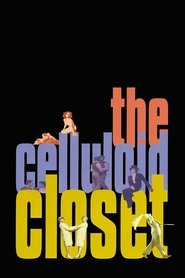
The Celluloid Closet
1996
star 7.1Exuberant, eye-opening movie that serves up a dazzling hundred-year history of the role of gay men and lesbians have had on the silver screen. Film contains fabulous footage from 120 films showing the changing face of cinema sexuality, from cruel stereotypes to covert love to the activist triumphs of the 1990s.We Remember Marilyn
1996
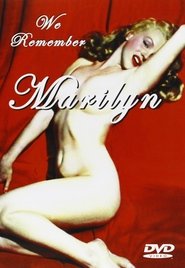
We Remember Marilyn
1996
star 7We Remember Marilyn. Marilyn Monroe transforms from Norma Jean, a cuddly teenager, into the most recognizable face and body in the world in these home movies, photos and film clips which span her early bit parts to her most known roles.The Rolling Stones: Totally Stripped
1995
star 7Totally Stripped is a newly revised version of the documentary that was originally made to coincide with the release of The Rolling Stones Stripped album released in November 1995. It tells the story of the two studio sessions and three live shows that made up the Stripped project on 4 Blu ray discs. This followed the conclusion of the mammoth Voodoo Lounge tour and found The Stones reimagining tracks from their back catalogue in pared back versions alongside a couple of carefully chosen covers in the studio and doing smaller scale club gigs to showcase these versions, which was a marked contrast to the huge arenas and stadiums that had hosted the Voodoo Lounge tour. This new version of the documentary includes previously unseen footage and lays bare the inner workings of both The Rolling Stones and of some of their best loved tracks. Revealing, intimate and moving, Totally Stripped is unmissable.