New Documentary Movies on The Roku Channel - Page 137
All Services
Free Services
 Netflix
 Amazon Prime Video
 Apple iTunes
 Apple TV Plus
 Disney Plus
 Google Play Movies
 Paramount Plus
 Hulu
Hulu
 HBO Max
 YouTube
 fuboTV
 Peacock
 Peacock Premium
 Amazon Video
 The Roku Channel
 AMC+
AMC on Demand
AMC+
AMC on Demand
 Kocowa
 Hoopla
 The CW
 Vudu
Vudu
 Starz
Starz
 Showtime
 PBS
PBS
 Pantaflix
 FXNow
FXNow
 Tubi TV
 Kanopy
 Comedy Central
 Crunchyroll
 Microsoft Store
 Redbox
 Sun Nxt
 ABC
ABC
 DIRECTV
 Crackle
 Fandor
 Plex
Plex
Netflix
Amazon Prime Video
Apple iTunes
Apple TV Plus
Disney Plus
Google Play Movies
Paramount Plus
Hulu
HBO Max
YouTube
fuboTV
Peacock
Peacock Premium
Amazon Video
The Roku Channel
AMC+
AMC on Demand
Kocowa
Hoopla
The CW
Vudu
Starz
Showtime
PBS
Pantaflix
FXNow
Tubi TV
Kanopy
Comedy Central
Crunchyroll
Microsoft Store
Redbox
Sun Nxt
ABC
DIRECTV
Crackle
Fandor
Plex

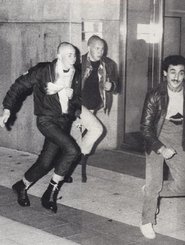
Skinheads
1988
Crimes of Passion
1988
Crimes of Passion
1988
Lives are changed forever by obsession and violence in this Emmy-nominated program that examines the dark and tragic side of love.The Decline of Western Civilization Part II: The Metal Years
1988
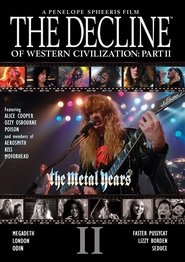
star 6.8An exploration of the heavy metal scene in Los Angeles, with particular emphasis on glam metal. It features concert footage and interviews of legendary heavy metal and hard rock bands and artists such as Aerosmith, Alice Cooper, Kiss, Megadeth, Motörhead, Ozzy Osbourne and W.A.S.P..Cary Grant: A Celebration of a Leading Man
1988
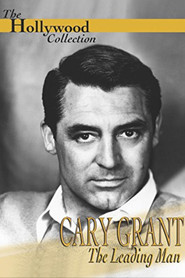
star 7A retrospective of the life and career of actor Cary Grant, including clips from his films and interviews with his friends and co-workers.Mondo New York
1988
Mondo New York
1988
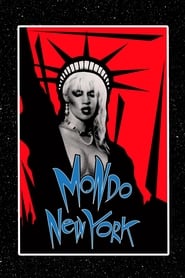
star 4.3A young woman wanders around New York City and stumbles across a number of strange characters and settings that represent the "underground" areas of the city. She sees stand up comedy in Central Park, a prostitution auction, a voodoo ceremony, an S&M club, and a number of very interesting performance artists. These are just a few of the sights and sounds of New York that she encounters.Elvis '56
1988
Elvis '56
1988
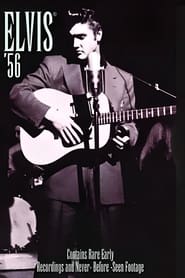
star 7.1The year Elvis Presley went from rising star to pop culture sensation is chronicled through rare footage, interviews and that pelvis-gyrating music.Hollywood Uncensored
1987
Hollywood Uncensored
1987
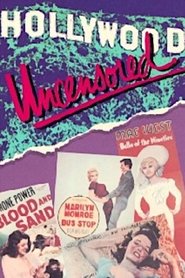
star 5.1Douglas Fairbanks Jr. and Peter Fonda host an examination of the history of decency standards for movies from the early 1920s onwards.To a Safer Place
1987
To a Safer Place
1987
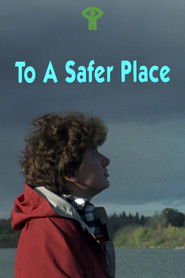
Sexually abused by her father from infancy to early adolescence, Shirley Turcotte is now in her thirties and has succeeded in building a rich and full life. To further reconcile her past and present, she is returning to the people and places of her childhood. Her mother, brothers and sister, all of whom were also caught up in the cycle of family violence, openly share their thoughts. Their frank disclosures will encourage survivors of incest to break through the silence and betrayal to recover and develop a sense of self-worth and dignity.Foster Child
1987
Foster Child
1987
star 3Gil Cardinal searches for his natural family and an understanding of the circumstances that led to his becoming a foster child. An important figure in the history of Canadian Indigenous filmmaking, Gil Cardinal was born to a Métis mother but raised by a non-Indigenous foster family, and with this auto-biographical documentary he charts his efforts to find his biological mother and to understand why he was removed from her. Considered a milestone in documentary cinema, it addressed the country’s internal colonialism in a profoundly personal manner, winning a Special Jury Prize at Banff and multiple international awards.Snow Motion
1987
Snow Motion
1987
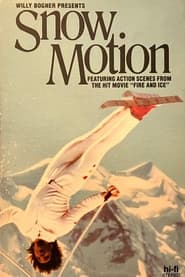
Snow dancing and spectacular skiing stunts are showcased in this lively video program hosted by star skiers Suzy Chaffee and John Eaves. The antics are backed by the music of Alan Parsons, Harold Faltermaier, Gary Wright and John Denver. Much of the footage comes from the ski film Fire and Ice.Liza in London
1986
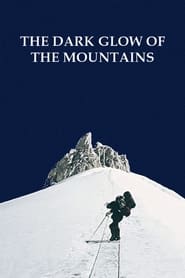
The Dark Glow of the Mountain
1985
star 7.6Werner Herzog follows mountaineers Hans Kammerlander and Reinhold Messner during their expedition into climbing the Gasherbrum mountains, which has some of the most difficult peaks to be conquered, and they'll do it without the use of oxygen tanks. Herzog also takes some time to hear about their past experiences with other mountains, their personal tragedies and the reasons why they are so involved with such activity.Abortion: Stories from North and South
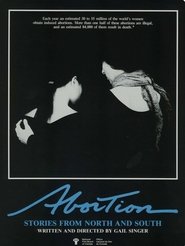
1984
Women have always sought ways to terminate unwanted pregnancies, despite powerful patriarchal structures and systems working against them. This film provides a historical overview of how church, state and the medical establishment have determined policies concerning abortion. From this cross-cultural survey--filmed in Ireland, Japan, Thailand, Peru, Colombia, and Canada--emerges one reality: only a small percentage of the world's women has access to safe, legal operations.Style Wars
1984
Style Wars
1984
star 7.4Tony Silver and Henry Chalfant's PBS documentary tracks the rise and fall of subway graffiti in New York in the late 1970s and early 1980s.Incident at Restigouche
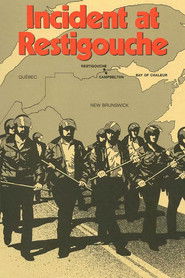
1984
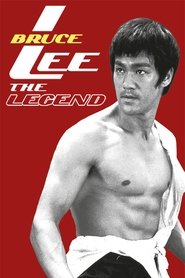
star 7.5Incident at Restigouche is a 1984 documentary film by Alanis Obomsawin, chronicling a series of two raids on the Listuguj Mi'gmaq First Nation (Restigouche) by the Sûreté du Québec in 1981, as part of the efforts of the Quebec government to impose new restrictions on Native salmon fishermen. Incident at Restigouche delves into the history behind the Quebec Provincial Police (QPP) raids on the Restigouche Reserve on June 11 and 20, 1981. The Quebec government had decided to restrict fishing, resulting in anger among the Micmac Indians as salmon was traditionally an important source of food and income. Using a combination of documents, news clips, photographs and interviews, this powerful film provides an in-depth investigation into the history-making raids that put justice on trial.Bruce Lee: The Legend
1984
star 7.9The Official Golden Harvest tribute to the Master of the Martial Arts Film, Bruce Lee.Richard Pryor: Here and Now
1983
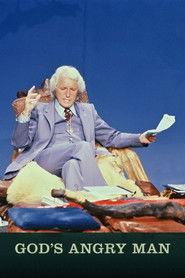
star 6.6One of comedian Richard Pryor's later stand-up performances. As foul-mouthed as ever, Pryor touches on most of the same topics as in his previous live shows. Filmed at the Saenger Theatre in New Orleans.God's Angry Man
1983
God's Angry Man
1983
star 5.4The documentary follows Gene Scott, famous televangelist involved with constant fights against FCC, who tried to shut down his TV show during the 1970s and '80s, and even argues with his viewers, complaining about their lack of support by not sending enough money to keep going with the show.Home Feeling: Struggle for a Community
1983
This feature documentary takes us to the heart of the Jane-Finch "Corridor" in the early 1980s. Covering six square blocks in Toronto's North York, the area readily evokes images of vandalism, high-density subsidized housing, racial tension, despair and crime. By focusing on the lives of several of the residents, many of them black or members of other visible minorities, the film provides a powerful view of a community that, contrary to its popular image, is working towards a more positive future.