New Documentary Movies on The Roku Channel - Page 136
All Services
Free Services
 Netflix
 Amazon Prime Video
 Apple iTunes
 Apple TV Plus
 Disney Plus
 Google Play Movies
 Paramount Plus
 Hulu
Hulu
 HBO Max
 YouTube
 fuboTV
 Peacock
 Peacock Premium
 Amazon Video
 The Roku Channel
 AMC+
AMC on Demand
AMC+
AMC on Demand
 Kocowa
 Hoopla
 The CW
 Vudu
Vudu
 Starz
Starz
 Showtime
 PBS
PBS
 Pantaflix
 FXNow
FXNow
 Tubi TV
 Kanopy
 Comedy Central
 Crunchyroll
 Microsoft Store
 Redbox
 Sun Nxt
 ABC
ABC
 DIRECTV
 Crackle
 Fandor
 Plex
Plex
Netflix
Amazon Prime Video
Apple iTunes
Apple TV Plus
Disney Plus
Google Play Movies
Paramount Plus
Hulu
HBO Max
YouTube
fuboTV
Peacock
Peacock Premium
Amazon Video
The Roku Channel
AMC+
AMC on Demand
Kocowa
Hoopla
The CW
Vudu
Starz
Showtime
PBS
Pantaflix
FXNow
Tubi TV
Kanopy
Comedy Central
Crunchyroll
Microsoft Store
Redbox
Sun Nxt
ABC
DIRECTV
Crackle
Fandor
Plex

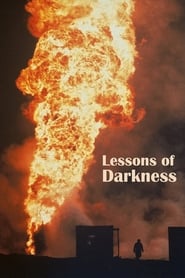
Lessons of Darkness
1992
Lessons of Darkness
1992
star 7.8Shortly after the Gulf War, oil fires were raging all through Kuwait. In the week before this sea of fire would be extinguished, Werner Herzog filmed this apocalyptic landscape with its murky skies, scorched earth and capricious flames.Tropical Rainforest
1992
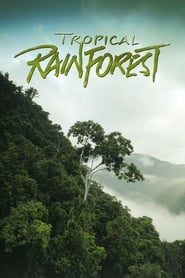
Tropical Rainforest
1992
star 5.2The story of the evolution of tropical rain forests, their recent and rapid destruction, and the intense efforts of scientists to understand them even as they disappear. This film gives viewers a better appreciation of the importance of tropical rain forests on a global scale.Pride and Joy: The Story of Alligator Records
1992
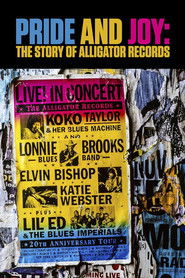
In 1971, Bruce Iglauer founded Alligator Records, the most successful modern blues label. In early 1992, Iglauer staged the Alligator Records 20th Anniversary Tour starring Koko Taylor, Elvin Bishop, Katie Webster, Lonnie Brooks (w/Ronnie Baker Brooks), and Lil' Ed and the Blues Imperials. Director Robert Mugge's film, PRIDE AND JOY: THE STORY OF ALLIGATOR RECORDS, documents that exciting tour.Kenny Loggins: Live from the Grand Canyon
1992
The multiple award-winning songwriter and performer Kenny Loggins is featured in this live concert video set against the majestic and awe-captivating backdrop of the Grand Canyon. This rock and pop balladeer sings many of his classic songs from his albums and motion picture soundtrack in this concert, including "The Real Thing," "Conviction of the Heart," "Celebrate Me Home," "Will of the Wind," "Leap of Faith," "Sweet Reunion," and more!Search for the Great Sharks
1992
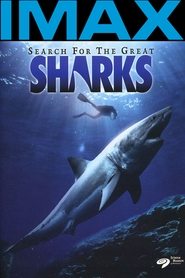
star 5.5A journey into the land of sharks. The old myth of swimming killing machines is put against the true nature of those rather peaceful hunters, whose evolution ended in biological perfection millions of years ago. We accompany expeditions of Dr. Eugenie Clark and Rodney Fox, who have studied sharks since the 1950's.Living with the Spill
1991
Exposes the dichotomy between Exxon's elaborate publicity of its clean up operation and the actual effectiveness, giving voice to the people most affected by a tragedy, and the community that lives with the effects of the spill.Legends
1991
Legends
1991
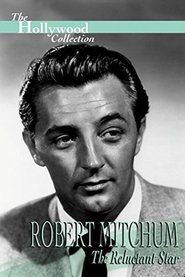
This brief documentary skillfully walks the line between making fun of and empathizing with 3 Las Vegas performers who impersonate, respectively, Elvis, Marilyn Monroe and Judy Garland as part of a kitschy show called 'Legends in Concert".Robert Mitchum: The Reluctant Star
1991
star 7.5A retrospective on the career of Robert Mitchum through interviews with friends and co-workers, scenes from his films and the actor himself.Ring of Fire
1991
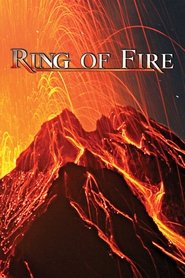
Ring of Fire
1991
star 6.8Ring of Fire is about the immense natural force of the great circle of volcanoes and seismic activity that rings the Pacific Ocean and the varied people and cultures who coexist with them. Spectacular volcanic eruptions are featured, including Mount St. Helens, Navidad in Chile, Sakurajima in Japan, and Mount Merapi in Indonesia.High Lonesome: The Story of Bluegrass Music
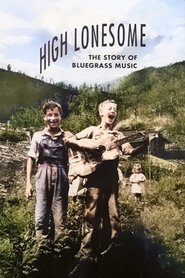
1991
star 7Longtime fans of bluegrass music and those only recently discovering it will appreciate this documentary on the genre, which was born of a combination of African and Celtic sounds and is the base of American country music. This film traces the musical form from its Appalachian roots to the present. The rise, fall, and consistent revival of bluegrass chronicled through oral history and visual record, resulting in a priceless film that even casual fans are sure to enjoy.Echoes from a Sombre Empire
1990
star 7.1Documentary examining Bokassa's rule in the Central African Republic using the testimony of witnesses and visits to key sites.Death In Hollywood
1990
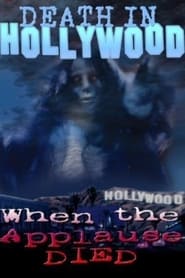
Death In Hollywood
1990
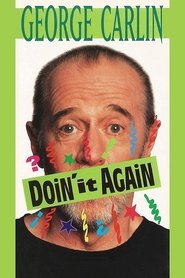
star 6.3HOLLYWOOD. Tinseltown. Land of the stars. A city where an actor can reach the greatest heights overnight - and descend just as rapidly. What goes up must come down, and Hollywood's failing stars leave a legacy of sadness, pain and disappointment in their wake. Here, in graphic detail, are the shocking stories behind the deaths of the silver screen's most beloved celebrities, as well as it's lesser known players. Packed with stunning newsreel footage, and previously unrevealed facts, DEATH IN HOLLYWOOD documents many a celebrity's morbid demise due to suicide, drug and alcohol abuse, disease, and even murder. From the outrageous to the tragic, DEATH IN HOLLYWOOD leaves no tombstone unturned in it's quest to dig up the truth about Hollywood's dearly departed.George Carlin: Doin' It Again
1990
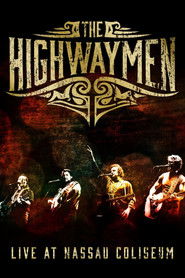
star 7.6George Carlin brings his comedy back to New Jersey and this time talks about Offensive Language, Euphemisms, They're Only Words, Dogs, Things you never hear, see or wanna hear, Some people are stupid, Cancer, Feminists, Good Ideas, Rape, Life's moments, and organ donors.The Highwaymen: Live at Nassau Coliseum
1990
star 8.5Willie Nelson, Waylon Jennings, Johnny Cash and Kris Kristofferson perform live at Long Island's Nassau Coliseum in 1990.Dream in broad daylight
1990
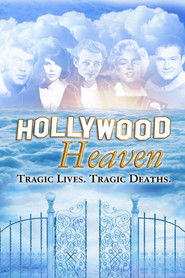
A 30-year-old documentary film on how people in the USSR lived "happily".Hollywood Heaven: Tragic Lives, Tragic Deaths
1990
star 5.7Welcome behind the closed doors of a Hollywood that only a select few will ever get to see -- a Hollywood of tragic lives and tragic deaths. Some of the worlds brightest stars are hiding deep, dark secrets that - once revealed show a life of unhappiness, heartbreak and torment that has been so carefully hidden behind the glamour and glitter of the big screen. See the true lives behind some of Hollywoods most iconic stars and learn why, for some, it was as if the act of dying itself was a final performance.Champions Forever
1989
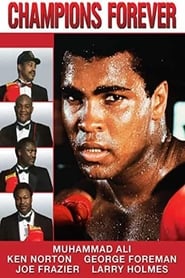
Champions Forever
1989
star 8No other film has the sweeping review of Ali's greatest fights, the legendary fight footage, and the real time relevant comments and conversations with the men who made him "The Greatest." Muhammad Ali was simply the greets and he proved by going up against the most incredible fighters of all time, together they made the world of sports stand still as they battled for dominance.Wodaabe: Herdsmen of the Sun
1989
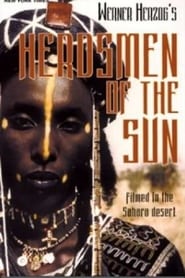
star 7.1Herzog's documentary of the Wodaabe people of the Sahara/Sahel region. Particular attention is given to the tribe's spectacular courtship rituals and 'beauty pageants', where eligible young men strive to outshine each other and attract mates by means of lavish makeup, posturing and facial movements.Earthquake
1989
Earthquake
1989
On December 7, 1988, a catastrophic earthquake occurred in Armenia that claimed more than 25 thousand lives. The film tells about the first days after the tragedy.Black Mother Black Daughter
1989
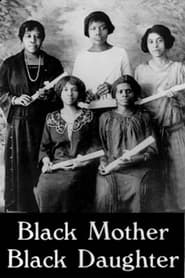
Black Mother Black Daughter explores the lives and experiences of black women in Nova Scotia, their contributions to the home, the church and the community and the strengths they pass on to their daughters.