Popular Western Movies - Page 378
All Services
Free Services
 Netflix
 Amazon Prime Video
 Apple iTunes
 Apple TV Plus
 Disney Plus
 Google Play Movies
 Paramount Plus
 Hulu
Hulu
 HBO Max
 YouTube
 fuboTV
 Peacock
 Peacock Premium
 Amazon Video
 The Roku Channel
 AMC+
AMC on Demand
AMC+
AMC on Demand
 Kocowa
 Hoopla
 The CW
 Vudu
Vudu
 Starz
Starz
 Showtime
 PBS
PBS
 Pantaflix
 FXNow
FXNow
 Tubi TV
 Kanopy
 Comedy Central
 Crunchyroll
 Microsoft Store
 Redbox
 Sun Nxt
 ABC
ABC
 DIRECTV
 Crackle
 Fandor
 Plex
Plex
Netflix
Amazon Prime Video
Apple iTunes
Apple TV Plus
Disney Plus
Google Play Movies
Paramount Plus
Hulu
HBO Max
YouTube
fuboTV
Peacock
Peacock Premium
Amazon Video
The Roku Channel
AMC+
AMC on Demand
Kocowa
Hoopla
The CW
Vudu
Starz
Showtime
PBS
Pantaflix
FXNow
Tubi TV
Kanopy
Comedy Central
Crunchyroll
Microsoft Store
Redbox
Sun Nxt
ABC
DIRECTV
Crackle
Fandor
Plex

Heart of Juanita
1919
Heart of Juanita
1919
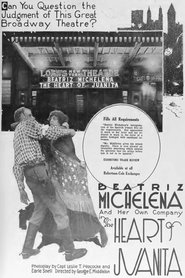
In an early California settlement, Juanita, a dance hall queen of Castilian ancestry, knifes her lover, Jim Brandt, the dance hall owner, when she catches him embracing a new dancer.Riders of the Badlands
1941
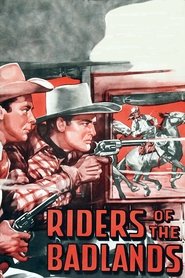
star 4Officially a Charles Starrett western, Riders of the Badlands divides its running time fairly evenly between Starrett and second-billed Russell Hayden. The plot concerns a Texas Ranger named Collins and his lookalike, notorious outlaw Langdon. When his wife is killed by Langdon's minions, Barton vows to avenge her death.Gunsmoke Mesa
1944
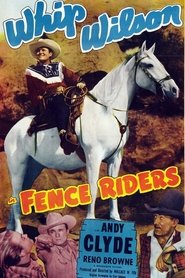
Fence Riders
1950
Fence Riders
1950
star 2Whip Wilson and Andy Clyde are back and Monogram's got 'em in Fence Riders. The Whipster comes to the aid of beautiful ranch owner Reno Browne, who is being victimized by rustlers Myron Healey and Riley Hill. To get Wilson out of the way, the villains frame him on a murder rap.The Lash
1930
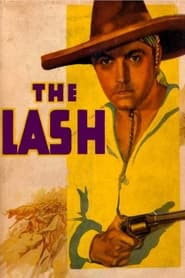
The Lash
1930
star 5.3A nobleman returns home to Southern California after the Mexican American War to find his people mistreated by unscrupulous Americans.The Iron Rider
1926
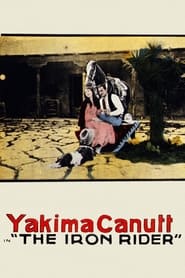
The Iron Rider
1926
After he loses his money and horse in a poker game, Yak learns he was cheated. But then he learns that the men that cheated him are wanted and have a price on their heads. This gives him a chance to get his money back and more, so he sets out after them.The Desert Rat
1919
The Desert Rat
1919
Steve Lanyon, known as the Desert Rat, returns with gold and saloon owner Brazos Pete plots to get it.The Pallbearer
0000
The Pallbearer
0000
A wandering pilgrim carrying a grave burden convenes with a highwayman in an empty landRoaring Westward
1949
Roaring Westward
1949
After claim jumper Sanders kills a miner, he changes clothes with Perry. In pursuit, the Marshal kills Perry claiming he was the murderer. Setting out to clear Perry's name, Jimmy works his way into the outlaw game. But Sanders overhears Jimmy's plans and he and his boss Morgan set a trap to kill Jimmy.Lotsa Luck
1968
Lotsa Luck
1968
star 5.7Woody Woodpecker and his friend Sugarfoot the horse are having all kinks of bad luck until Woody finds a four leaf clover...Cyclone Fury
1951
Cyclone Fury
1951
star 5A late entry in Columbia's seemingly endless Durango Kid Western series, Cyclone Fury was augmented with a hefty dose of stock footage from an earlier Durango effort, Galloping Thunder (1946), footage that included sidekick Smiley Burnette warbling "Hear the Wind (Singing a Cowboy Song)" accompanied by Merle Travis and his Bronco Busters.Who Killed Johnny R.?
1966
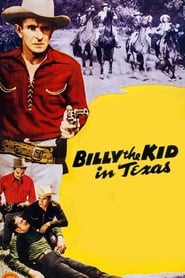
star 7.6An assumed-dead gangster wants to implicate a completely innocent man to pay for his crimes so he can give the slip to his avengers and persecutors.Billy the Kid in Texas
1940
star 5.8In the second of the "Billy the Kid" series from PRC that starred Bob Steele, Billy the Kid is being held on a trumped-up murder charge in a Mexico jail. He escapes and meets his pal, Fuzzy Jones, in Corral City, Texas, which is taking a holiday to allow the cowpunchers of the Lazy A Ranch their periodic spree. In the saloon, Billy is recognized by Dave Hendricks and Flash, two the Lazy A's bed men, as the rider who had held them up after they had robbed the express wagon a few hours earlier. Outside, Billy is ambushed and slightly wounded, and is taken to the express office by Jim Morgan where Mary Barton, the local agent, agrees to tend him until the doctor arrives. Billy turns over the loot he took from the outlaws and he is appointed sheriff, with Fuzzy as his deputy. The Lazy A gang brings in a noted gunfighter, Gil Cooper, who turns out to be Billy's brother. Billy, Gil and Fuzzy eventually rout the outlaw gang, and Gil remains behind with Mary as Billy and Fuzzy ride off.The Last Gunfighter
2002
The Last Gunfighter
2002
star 6.2A man roves the vastity of a deserted industrial plant ready to grasp his gun. Hat, boots, belt, the last pistolero is going to face the hardest of challenges...Loco Lobo
1947
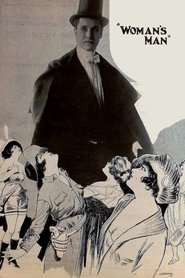
Woman's Man
1920
The Killer
1921
The Killer
1921
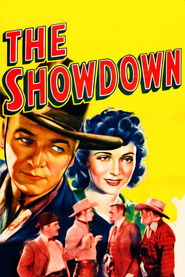
Claire Adams as a girl forced to marry the man she suspects killed her father. When she refuses, she is virtually kept a prisoner along with kid-brother Frankie Lee until a handsome stranger (Jack Conway) rescues them.The Showdown
1940
The Showdown
1940
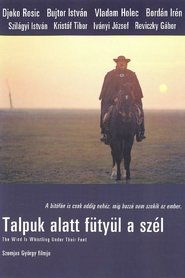
star 5European bad guy Baron Bendor leads some local townsmen in a plot to obtain horses through theft. Hoppy and his sidekicks Lucky and Speedy must find and expose the horse thieves.The Wind Is Whistling Under Their Feet
1976
star 6.9György Szomjas’s first feature—made after a decade of short documentaries—is a bold attempt at a goulash western, set on the puszta, or Great Hungarian Plain, in 1837. Mixing Miklós Jancsó imagery and a Sergio Leone narrative, this ballad-like saga opens with image of a lone horseman on the empty plain, riding past a rude gallows. The film concerns the vengeful return of a legendary betyár (outlaw), briefly a hero to the local herdsmen who oppose the state building a canal across their grazing land. Although Szomjas works from ethnographic records and archival material, it is hardly surprising that this violent, primitivist film would be more popular with Hungarian audiences than critics. Replete with young guns, crooked sheriffs, tavern brawlers and hardbitten plug-uglies, this widescreen film is strikingly shot by Elémer Ragályi (cinematographer for most of Gyula Gazdag’s films)—a feast of loamy, autumnal colors.