Popular Documentary Movies on Kanopy - Page 126
All Services
Free Services
 Netflix
 Amazon Prime Video
 Apple iTunes
 Apple TV Plus
 Disney Plus
 Google Play Movies
 Paramount Plus
 Hulu
Hulu
 HBO Max
 YouTube
 fuboTV
 Peacock
 Peacock Premium
 Amazon Video
 The Roku Channel
 AMC+
AMC on Demand
AMC+
AMC on Demand
 Kocowa
 Hoopla
 The CW
 Vudu
Vudu
 Starz
Starz
 Showtime
 PBS
PBS
 Pantaflix
 FXNow
FXNow
 Tubi TV
 Kanopy
 Comedy Central
 Crunchyroll
 Microsoft Store
 Redbox
 Sun Nxt
 ABC
ABC
 DIRECTV
 Crackle
 Fandor
 Plex
Plex
Netflix
Amazon Prime Video
Apple iTunes
Apple TV Plus
Disney Plus
Google Play Movies
Paramount Plus
Hulu
HBO Max
YouTube
fuboTV
Peacock
Peacock Premium
Amazon Video
The Roku Channel
AMC+
AMC on Demand
Kocowa
Hoopla
The CW
Vudu
Starz
Showtime
PBS
Pantaflix
FXNow
Tubi TV
Kanopy
Comedy Central
Crunchyroll
Microsoft Store
Redbox
Sun Nxt
ABC
DIRECTV
Crackle
Fandor
Plex

The First Silent Night: The Christmas Carol That United the World
2014
Renowned actor Simon Callow traces the 200-year history of Silent Night, traveling to Oberndorf and Salzburg to uncover the carol’s humble beginnings. The film follows the lives of Joseph Mohr and Franz Gruber, two impoverished Austrian children whose paths converged in a small church, where Gruber’s melody joined Mohr’s lyrics to create the world’s most beloved carol. Born from hardship and hope after the Napoleonic wars, Silent Night transformed a quiet night’s story into a universal message of peace.Voices of Transition
2012
Voices of Transition
2012
Voices of the Transition is an enthusiastic documentary on farmers- and community-led responses to food insecurity in a scenario of climate change and peak oil.Defining US
2022
Defining US
2022
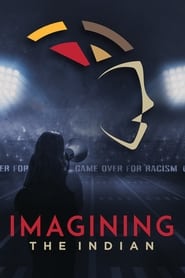
A look inside the nations largest schools, showing the struggles, hopes and dreams of marginalized students and educators fighting to rise above a divisive culture war over race and identity playing out in classrooms across the US today.Imagining the Indian: The Fight Against Native American Mascoting
2021
star 8Examining the movement that is ending the use of Native American names, logos, and mascots in the world of sports and beyond.Unconquered: Allan Houser and the Legacy of One Apache Family
2008
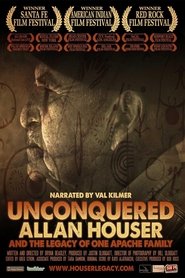
In decades past, Native American artists who wanted to sell to mainstream collectors had little choice but to create predictable, Hollywood-style western scenes. Then came a generation of painters and sculptors led by Allan Houser (or Haozous), a Chiricahua Apache artist with no interest in stereotyped imagery and a belief that his own rich heritage was compatible with modernist ideas and techniques. Narrated by actor Val Kilmer and originally commissioned as part of an exhibit of Houser’s work at the Oklahoma History Center, this program depicts the artist’s tribal ancestry, his rise to regional and national acclaim, and the continuing success of his sons as they expand upon and depart from their father’s achievements. Key works are documented, as is Houser’s tenure at the Santa Fe–based Institute of American Indian Arts.The Map to Paradise
2019
The Map to Paradise
2019
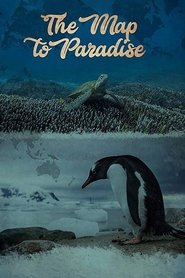
star 9Travel to the underwater lands of ice and corals to discover the birth of a movement to protect the sea. Through the eyes of a prince, a president, a pirate and even an island chief, see how a bountiful underwater paradise can thrive once more; paradise it is more than just a dream.The War Photographers
2013
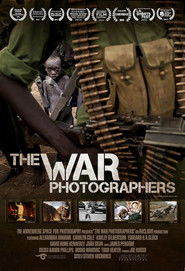
star 9'The War Photographers' recounts the personal experiences of award-winning photojournalists who risk their lives covering conflict in the world's most dangerous war zones. Intimate interviews and gripping imagery reveal stories of sacrifice, courage and the emotional toll endured by photographers and their subjects. Stories include New York Times photographer Joao Silva revisiting sites in his native South Africa, recalling the violence that led to that country's first democratic elections in 1994. Ashley Gilbertson travels to Midland, Texas, for the final shoot of his project documenting the bedrooms of young soldiers who never returned home from war. Other photographers shares their firsthand experiences covering conflict in Vietnam, Iraq, Afghanistan, Somalia, Sudan and the Middle East.After Work
2023
After Work
2023
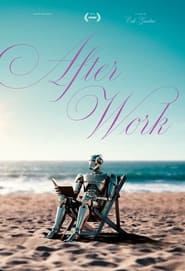
star 6.2Kuwait’s constitution says that every person has the right to a job, so in some places 20 people are employed for one person’s job. In South Korea, they work so much that a policy has been introduced to turn off computers at the end of the day so that employees can’t work any more. In the US, they give up over 500 million holiday hours each year, while Amazon’s drivers are trying to form a union. Meanwhile, robots are poised to take over most jobs and put the rest of us out of work. Work is so crucial to our identity and what we spend our waking hours on that it is barely noticed anymore. A lot has happened since a group of Puritan priests invented the concept of work ethic in the 1600s, and in the 21st century the very concept of work is in many ways disintegrating. A perfect situation for a filmmaker like Swedish mastermind Erik Gandini, who travels the world to explore what the concept of work means today – if it means anything at all.David Chase: A Sopranos Session
2021
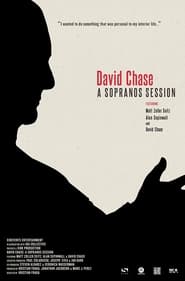
star 7.6An exclusive interview with The Sopranos creator David Chase, where he talks about his childhood memories of Newark, the vision behind the series and The Sopranos on the big screen.American Art in the 1960s
1972
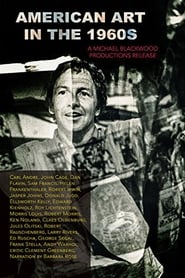
During this critical decade in American life, artists built on the styles of the 1950s. An explosion of artistic energy produced Pop Art, Minimalism, color-field painting, and hard-edged abstraction. Sculptors and painters on both coasts explored new methods and new subject matter. American Art in the Sixties examines the key figures of that decade including Rauschenberg and Johns, two crucial transitional figures between Abstract Expressionism and the sensibilities of the new decade. The art of that time mirrors the optimism and the affluence, and the technology and the vulgarity of those boom years.Driving with Selvi
2015
Driving with Selvi
2015
star 8Former child bride Selvi escapes her child marriage to become South India's first female taxi driver.Loving Highsmith
2022
Loving Highsmith
2022
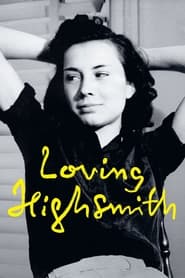
star 5.8The story of the life, loves and work of US writer Patricia Highsmith (1921-95), told through her unpublished diaries, her own voice and that of those who knew her, both family and close friends.Defend, Conserve, Protect
2019
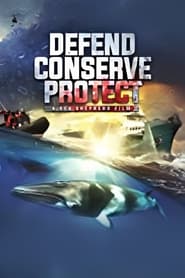
Narrated by Dan Aykroyd, Defend, Conserve, Protect, pits the marine conservation group, Sea Shepherd, against the Japanese whaling fleet, in an epic battle to defend the majestic Minke whales.A Time for Making
2018
A Time for Making
2018
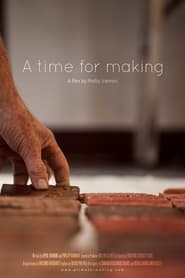
Nine artisans on secluded Gabriola Island reveal the differences between mass manufactured and authentic locally handmade through intimate portraits of their work and lifestyle.Snack Bar Special
1990
Snack Bar Special
1990
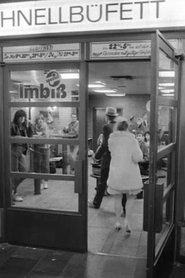
The lower level of Lichtenberg Station in Belin in early October 1989: the beginning of the end for the GDR. In the snack bar, the staff are catering for travellers of every kind while in the background the authorities maintain a flow of triumphal statements, but those months between August and October come to feel like sitting out the death throes. Careful observation of people and their work as the current of history suddenly becomes perceptible.The Stones and Brian Jones
2024
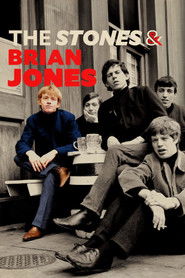
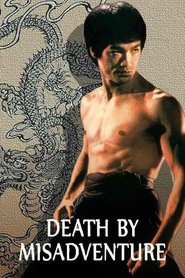
star 7.1A look at the relationships and rivalries within The Rolling Stones in their formative years, as well as the creative musical genius of Brian Jones, key to the success of the band.Death by Misadventure: The Mysterious Life of Bruce Lee
1993
star 8.1Death by Misadventure: The Mysterious Life of Bruce Lee exposes the truth behind Lee's death and the cover-up that ensued.Life with Murder
2010
Life with Murder
2010
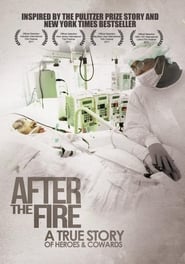
star 6.2Chatham, Ontario, 1998. Eighteen-year-old Jennifer Jenkins is brutally shot to death by multiple rifle rounds in her family home. The main suspect: her brother, Mason Jenkins, who fled the scene of the crime.After the Fire
2011
After the Fire
2011
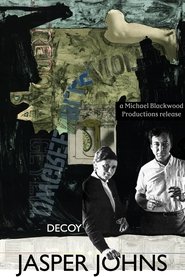
star 8People show incredible courage and cowardice in the aftermath of the Seton Hall Fire in New Jersey.Jasper Johns: Decoy
1973
Jasper Johns: Decoy
1973
Jasper Johns’s Decoy is rooted inside the notions of reproduction, transformation and memory. Believing that an image gains new meaning each time it is presented, Johns boldly confronts his own past work, most notably Ale Cans (1964), and uses Decoy as a method of metamorphosis. The repetition of certain motifs allows both Johns and his spectators to confront the change an image goes through when approached from a different angle or placed in a new artistic context. As noted in the film, “each time a motif is used and reused additional memories accrue, new layers of meaning, and the image itself begins to acquire its own history.” (Jasper Johns) It is through Johns’s reimagining that the items he features in his work take on new life and grow from object to art, thus redirecting society’s interpretation.