Top Rated Documentary Movies - Page 340
All Services
Free Services
 Netflix
 Amazon Prime Video
 Apple iTunes
 Apple TV Plus
 Disney Plus
 Google Play Movies
 Paramount Plus
 Hulu
Hulu
 HBO Max
 YouTube
 fuboTV
 Peacock
 Peacock Premium
 Amazon Video
 The Roku Channel
 AMC+
AMC on Demand
AMC+
AMC on Demand
 Kocowa
 Hoopla
 The CW
 Vudu
Vudu
 Starz
Starz
 Showtime
 PBS
PBS
 Pantaflix
 FXNow
FXNow
 Tubi TV
 Kanopy
 Comedy Central
 Crunchyroll
 Microsoft Store
 Redbox
 Sun Nxt
 ABC
ABC
 DIRECTV
 Crackle
 Fandor
 Plex
Plex
Netflix
Amazon Prime Video
Apple iTunes
Apple TV Plus
Disney Plus
Google Play Movies
Paramount Plus
Hulu
HBO Max
YouTube
fuboTV
Peacock
Peacock Premium
Amazon Video
The Roku Channel
AMC+
AMC on Demand
Kocowa
Hoopla
The CW
Vudu
Starz
Showtime
PBS
Pantaflix
FXNow
Tubi TV
Kanopy
Comedy Central
Crunchyroll
Microsoft Store
Redbox
Sun Nxt
ABC
DIRECTV
Crackle
Fandor
Plex

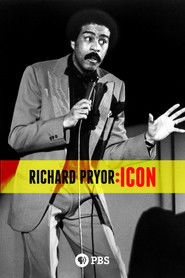
Richard Pryor: Icon
2014
Richard Pryor: Icon
2014
star 6.2Richard Pryor's impact on the craft of comedy and today's top comics is legendary and unrivaled. This program surveys the profound and enduring influence of one of the greatest American comics of all time.Brothers in Exile
2014
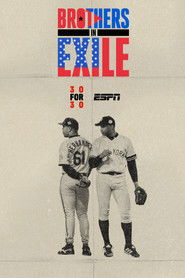
Brothers in Exile
2014
star 7.5Major League Baseball has been transformed by the influx of Cuban players such as Aroldis Chapman, Yasiel Puig and Jose Abreu. But a special debt of gratitude is owed to two half-brothers, whose courage two decades ago paved the way for their stardom. "Brothers in Exile" tells the incredible story of Livan and Orlando "El Duque" Hernandez, who risked their lives to get off the island.Mr. Hayashi
1961
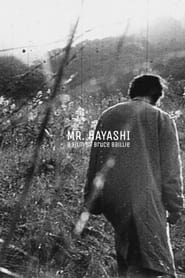
Mr. Hayashi
1961
star 5.3Bruce Baillie's Mr. Hayashi might be thought of as a putative East Coast story transformed by a West Coast sensibility. The narrative, slight as it is, mounts a social critique of sorts, involving the difficulty the title character, a Japanese gardener, has finding work that pays adequately. But the beauty of Baillie's black-and-white photography, the misty lusciousness of the landscapes he chooses to photograph, and the powerful silence of Mr. Hayashi's figure within them make the viewer forget all about economics and ethnicity. The shots remind us of Sung scrolls of fields and mountain peaks, where the human figure is dwarfed in the middle distance. Rather than a study of unemployment, the film becomes a study of nested layers of stillness and serenity.Made in Milan
1990
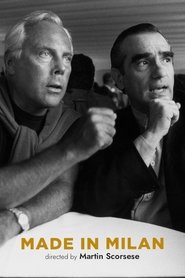
Made in Milan
1990
star 5.7As he prepares for a show, fashion designer Giorgio Armani discusses his principles of fashion, his family history and the city of Milan.Even If She Had Been a Criminal...
2006
star 7French archive images of the Second World War pass in a dizzying tempo. The pace slows when we see images of the liberation. We see happy, liberated citizens, but slowly a cruel scene becomes visible. Women who are alleged to have had a relationship with the Germans are publicly insulted, shaved and beaten.The Truth Shall Not Sink with Sewol
2014
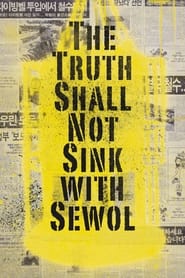
star 7.7A documentary on the South Korean ferry disaster that claimed the lives of more than 300 passengers in April, 2014.1989
2014
1989
2014
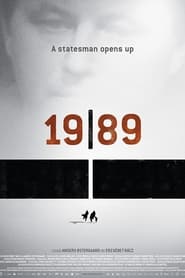
star 7.1Anders Østergaard’s film is an investigative look at the year the Berlin Wall fell, documenting the events that took place in Hungary as a prelude to the dramatic changes in November 1989. The director recreates the events and leads the audiences deep into the politicians’ secret meeting rooms by using a mix of interviews, archive material and reconstructed scenes and dialogues.Return of the River
2014
Return of the River
2014
star 7.2A documentary on the world's largest dam removal project and its effects on the river ecosystem and surrounding communities.Return of the Islander
1970
star 5.3Through economic necessity, an Aran Islander is forced to travel to England to work on building sites so that he can earn money to support his family back on the Islands.Hockney
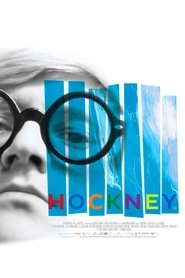
2014
Meet the Mormons
2014
Meet the Mormons
2014
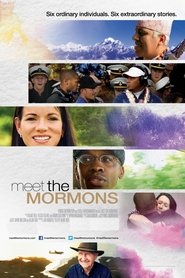
star 6Meet the Mormons examines the very diverse lives of six devout Mormons. Filmed on location and across the globe, Meet the Mormons takes viewers on a journey into the day-to-day realities of individuals living in the U.S., Costa Rica, Nepal and beyond. From their individual passions to their daily struggles, each story paints a picture as rich and unique as the next while challenging the stereotypes that surround the Mormon faith.The Truth About Webcam Girls
2014
star 5.3A documentary that follows three women who perform via webcam to paying customers.Paul Tomkowicz: Street Railway Switchman
1953
star 5.7In this film, Paul Tomkowicz, Polish-born Canadian, talks about his job and his life in Canada. He compares his new life in the city of Winnipeg to the life he knew in Poland, marvelling at the freedom Canadians enjoy. In winter the rail-switches on streetcar tracks in Winnipeg froze and jammed with freezing mud and snow. Keeping them clean, whatever the weather, was the job of the switchman.Eclipse
1999
Eclipse
1999
star 5.3Filmed during the solar eclipse of August 11, 1999, Eclipse observes adults and children across France watching the darkened sky through protective glasses. Marker captures their varied reactions—wonder, curiosity, and indifference—as day briefly turns to night.Gently Down the Stream
1981
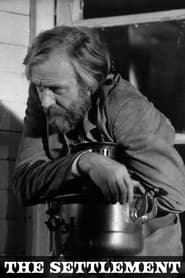
star 4.8GENTLY DOWN THE STREAM is constructed from fourteen dreams taken from eight years' worth of my journals. The text is scratched directly on to the film so that you hear your own voice as you read. The accompanying images of women, water, animals and saints were chosen for their indirect but potent correspondence to the text.The Settlement
2001
The Settlement
2001
star 4.7This movie is about a day in life of the settlement for people with mental problems. Located in a peaceful countryside, it conveys an image of a pure, happy place, where people live and work together, in complete harmony. But there is a growing unexplainable feeling of anxiety and hopelessness.A Year in Burgundy
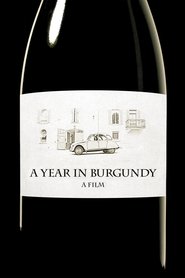
2013
A Year in Burgundy
2013
star 7.2This documentary follows seven wine-making families in the Burgundy region of France, delving into the cultural and creative process of making wine. You'll never look at wine the same way again.DSKNECTD
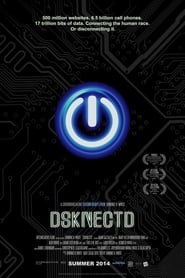
2013
DSKNECTD
2013
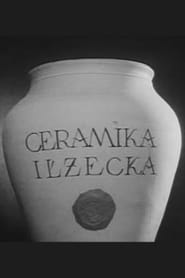
star 6.9As clichés go, in 1999 the World as we knew it was about to change - and we'd been expecting it. Since childhood we'd been promised that the 21st century would bring us dramatic new technologies like flying cars and Utopian cities. Instead it bought us the smart-phone, social media, and virtual societies. And as it turns out these technologies began to transform society almost as dramatically as the moon colonies we'd been expecting. Now over a decade into the revolution, 'DSKNECTD' explores how digital communication technology is profoundly changing the way we interact and experience each other - for the good and for the bad.The Pottery at Ilza
1951
The Pottery at Ilza
1951
star 5.4Andrzej Wajda's first movie looks at the pottery in the town of Iłża, Poland. Much of it shows the actual process of creating all the objects out of clay.Hare Krishna
1967
Hare Krishna
1967
star 5Jonas Mekas captures an afternoon in New York as a Hare Krishna group fills the streets with chanting and song. Filmed with his characteristic freewheeling style and later incorporated into Walden, the short stands as an impressionistic sketch of spiritual fervor and Mekas’s participatory approach to cinema.