Top Rated Documentary Movies - Page 427
All Services
Free Services
 Netflix
 Amazon Prime Video
 Apple iTunes
 Apple TV Plus
 Disney Plus
 Google Play Movies
 Paramount Plus
 Hulu
Hulu
 HBO Max
 YouTube
 fuboTV
 Peacock
 Peacock Premium
 Amazon Video
 The Roku Channel
 AMC+
AMC on Demand
AMC+
AMC on Demand
 Kocowa
 Hoopla
 The CW
 Vudu
Vudu
 Starz
Starz
 Showtime
 PBS
PBS
 Pantaflix
 FXNow
FXNow
 Tubi TV
 Kanopy
 Comedy Central
 Crunchyroll
 Microsoft Store
 Redbox
 Sun Nxt
 ABC
ABC
 DIRECTV
 Crackle
 Fandor
 Plex
Plex
Netflix
Amazon Prime Video
Apple iTunes
Apple TV Plus
Disney Plus
Google Play Movies
Paramount Plus
Hulu
HBO Max
YouTube
fuboTV
Peacock
Peacock Premium
Amazon Video
The Roku Channel
AMC+
AMC on Demand
Kocowa
Hoopla
The CW
Vudu
Starz
Showtime
PBS
Pantaflix
FXNow
Tubi TV
Kanopy
Comedy Central
Crunchyroll
Microsoft Store
Redbox
Sun Nxt
ABC
DIRECTV
Crackle
Fandor
Plex

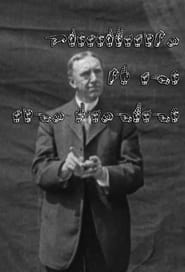
Preservation of the Sign Language
1913
star 4.6George Veditz, one-time president of the National Association of the Deaf of the United States, outlines the right of deaf people to sign instead of speak. The film is presented in American Sign Language and has no sub- or intertitles.90° South
1933
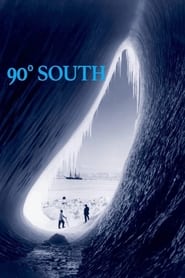
90° South
1933
star 5.9This is a documentary of Captain R.F. Scott's second Antarctic expedition, begun in 1910. The British, under Scott, attempted to reach the South Pole before Roald Amundsen's Norwegians. Scott's writings reveal that the British made it to the South Pole, only to find that the Norwegians had gotten there first. Scott, and the other four men who had made it to the Pole with him, died on the return trip.The Reality of Karel Appel
1962
star 5.4Documentary about the work and the unconventional approach of the painter Karel Appel. The film shows him flinging vast amounts of paint onto the canvas, resulting in dynamic paintings showing an overful, raging, run-away world. In 1962 awarded with a Golden Bear at the Berlinale. (filmcommission.nl)A Film About Coffee
2014
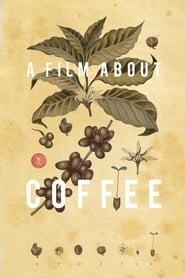
A Film About Coffee
2014
star 6.9"A Film About Coffee" is a love letter to, and meditation on, specialty coffee. It examines what it takes, and what it means, for coffee to be defined as "specialty." The film whisks audiences on a trip around the world, from farms in Honduras and Rwanda to coffee shops in Tokyo, Portland, Seattle, San Francisco and New York. Through the eyes and experiences of farmers and baristas, the film offers a unique overview of all the elements-the processes, preferences and preparations; traditions old and new-that come together to create the best cups. This is a film that bridges gaps both intellectual and geographical, evoking flavor and pleasure, and providing both as well.Lost Songs of Anatolia
2008
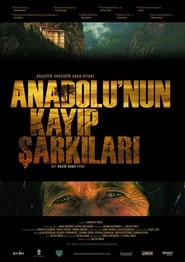
star 7.1A musical journey among exotic places and people of Anatolia, unique host of ancient civilizations of 10 millennia. The authentic performances recorded live on location spontaneously. With the modern arrangements made, an incomparable musical is formed. Director: Nezih UnenThe Singing Lesson
1967
The Singing Lesson
1967
star 4.8A short black and white documentary where Professor Sempolinski works with students on how to sing and dance.Words for Battle
1941
Words for Battle
1941
star 6.2Poetry by Rudyard Kipling, John Milton, and William Blake, and excerpts from speeches by Abraham Lincoln and Winston Churchill, all read by Laurence Olivier, illuminate documentary footage of England during its defense against the Nazi blitz in World War II. This short film serves as both propaganda and as a rallying cry to the British people.41
2012
41
2012
star 6.2An HBO documentary, takes a ‘personal, not political’ look at George H.W. Bush, the 41st president of the United States.Two Captains II
1992
Two Captains II
1992
star 4.3The beginning of the 20th century. The recklessness of fanatics is pushing humanity towards the abyss. A revolution begins in Russia. Crazy Dr. Farkus induces an orgasm of inanimate matter. White Moroccan dwarfs are becoming active. A second Sun appears in the sky. In this difficult environment, captains selflessly confront the forces of chaos, maintaining the cosmic balance of history.The Koumiko Mystery
1965
The Koumiko Mystery
1965
star 6.7Filmed during the 1964 Tokyo Olympics, Chris Marker’s The Koumiko Mystery follows Koumiko Muraoka, a young Japanese woman born in Manchuria and educated in France. As Marker films her wandering through Tokyo, she reflects on identity, memory, and what it means to be Japanese in a rapidly changing world.Soundtrack for a Revolution
2009
star 6.6Tells the story of the American civil rights movement through its powerful music - the freedom songs protesters sang on picket lines, in mass meetings, and in jail cells as they fought for justice and equality. Features new performances of the freedom songs by top artists; archival footage; and interviews with civil rights foot soldiers and leaders. Freedom songs evolved from slave chants, from the labor movement, and especially from the black church. Music enabled blacks to sing words they could not say, and it was crucial in helping the protesters as they faced down brutal aggression with dignity and non-violence. The infectious energy of the songs swept people up and empowered them to fight for their rights. This film celebrates the vitality of this music.Monster by Moonlight! The Immortal Saga of 'The Wolf Man'
1999
star 6.9Starting with "The Wolf Man" (in 1941), Universal Studios made five movies featuring The Wolf Man, a character portrayed by Lon Chaney, Jr. Monster by Moonlight! explores these movies. Rick Baker explains how the make-up was done on Chaney's character. Screenwriter Curtis Siodmak took very little from earlier werewolf legends, providing his own story for some of the films. This documentary displays clips from several other movies, including "Abbott & Costello Meet Frankenstein" (1948) and "House of Dracula" (1945).Vampira and Me
2013
Vampira and Me
2013
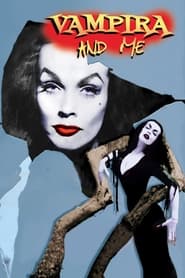
star 7.4Though most people knew her as Vampira, a late-night, creature-feature host in Los Angeles, Maila Nurmi was so much more. From her relationships with James Dean and other Hollywood luminaries to her significant contributions to the eventual Goth craze, Nurmi was a multifaceted woman, with more than a few amazing stories to share. Having befriended Nurmi while she was still alive, Greene finds himself perfectly situated to give us the complete story on this fascinating individual, blending extensive interviews with remarkable found footage of Nurmi's long and varied career. Whether being groomed by a major Hollywood director or making a surprising foray into music, Nurmi proves herself to be so much more than a scream queen. Still, when it comes to snappy one-liners cracked at the stroke of midnight, it's certainly safe to say that no one did it better than Vampira.Further
2012
Further
2012
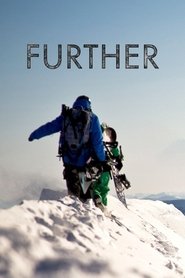
star 8.3Further explores some of the world’s most remote mountain terrain while continuing Jones’ mission to camp deep in the backcountry and on the summits of unridden lines to access nearly vertical spines and wide-open powder fields.Shipyard
1935
The Clock
2010
The Clock
2010
star 8.8A 24-hour compendium of time-themed film clips, all synched to the time that appears on the clocks and watches within.The Zen of Bennett
2012
The Zen of Bennett
2012
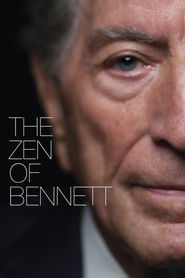
star 6.8At 85, not only does Tony Bennett still have the smoothest pipes in the music business, he’s got the kind of philosophy that has made him one of the most beloved and respected performers of the last six decades. Made with as much class and refinement as Tony himself, this is an insider’s look at the icon as he records his latest duets collection with stars like Lady Gaga, Aretha Franklin, and—bittersweetly—the late Amy Winehouse.The Game of Their Lives
2002
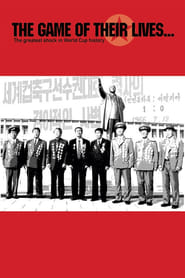
star 6.8A BBC documentary producer is given unprecedented access in North Korea to chronicle the story of the famed 1966 World Cup team from the North that advanced to the quarterfinals. The feature includes interviews with surviving members of the team, English fans and soccer pundits who saw the North Koreans upset Italy, 1-0.The Yellow Star: The Persecution of the Jews in Europe - 1933-1945
1981
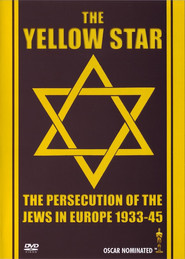
star 5.7This Oscar nominated documentary serves not only as a remembrance but a lesson and a warning for the future. It follows the plight of Europe's Jews during the terrifying period from 1933 until the final defeat of the Third Reich in 1945. Never before had the world seen such contempt for human life on such a grand scale, the murder of an estimated 6 million Jews, with countless others persecuted. During the 1930s a wave of national fervor swept through a tumultuous Germany; people looked for answers, and the politicians were all too willing to point the finger of blame towards the Jewish population. Few, if any, could have foreseen how the views of one man would unfold…that man was Adolf Hitler.The Eighties
1985
The Eighties
1985
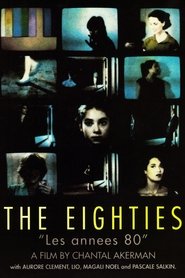
star 5.9All of the time and effort put forth to stage a musical is chronicled here in this bright and funny French outing. The story is set at a shopping mall where people audition for an upcoming show. Afterwards, they are seen going through the grueling routines of learning the music and rehearsing.