Top Rated Documentary Movies - Page 431
All Services
Free Services
 Netflix
 Amazon Prime Video
 Apple iTunes
 Apple TV Plus
 Disney Plus
 Google Play Movies
 Paramount Plus
 Hulu
Hulu
 HBO Max
 YouTube
 fuboTV
 Peacock
 Peacock Premium
 Amazon Video
 The Roku Channel
 AMC+
AMC on Demand
AMC+
AMC on Demand
 Kocowa
 Hoopla
 The CW
 Vudu
Vudu
 Starz
Starz
 Showtime
 PBS
PBS
 Pantaflix
 FXNow
FXNow
 Tubi TV
 Kanopy
 Comedy Central
 Crunchyroll
 Microsoft Store
 Redbox
 Sun Nxt
 ABC
ABC
 DIRECTV
 Crackle
 Fandor
 Plex
Plex
Netflix
Amazon Prime Video
Apple iTunes
Apple TV Plus
Disney Plus
Google Play Movies
Paramount Plus
Hulu
HBO Max
YouTube
fuboTV
Peacock
Peacock Premium
Amazon Video
The Roku Channel
AMC+
AMC on Demand
Kocowa
Hoopla
The CW
Vudu
Starz
Showtime
PBS
Pantaflix
FXNow
Tubi TV
Kanopy
Comedy Central
Crunchyroll
Microsoft Store
Redbox
Sun Nxt
ABC
DIRECTV
Crackle
Fandor
Plex

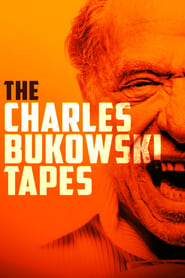
The Charles Bukowski Tapes
1985
star 8.6The Charles Bukowski Tapes are an altogether more than four hours long collection of 52 short-interviews with the American cult author Charles Bukowski, sorted by topic and each between one and ten minutes long. Director Barbet Schroeder (Barfly) interviews Bukowski about such themes as alcohol, violence, and women, and Bukowski answers willingly, losing himself in sometimes minute-long monologues. Amongst other things, Bukowski leads the small camera team through his parents’ house and his former neighbourhood, but the largest part of the interviews takes place in Bukowski’s flat or backyard. The documentary includes a scene in which Bukowski reacts violently toward his wife Linda Lee.Hide and Seek
1996
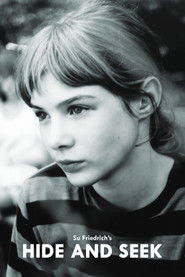
Hide and Seek
1996
star 6Mixes documentary interviews of memories of lesbian adolescence with the story of the 12-year-old girl Lou discovering her sexuality in 1960s America.Blind Loves
2008
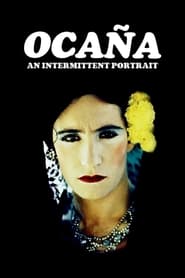
Ocaña: An Intermittent Portrait
1978
star 4A sincere portrait, and in first person, of the multifaceted Andalusian artist José Pérez Ocaña.Bert Stern - Original Madman
2011
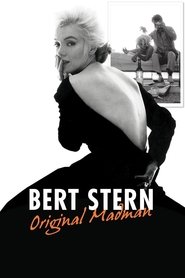
star 7.6The untold and intimate life story of one of the greatest American photographers of all time, Bert Stern. After working alongside Stanley Kubrick at Look Magazine, Stern became an original Madison Avenue 'mad man', his images helping to create modern advertising. Ground-breaking photos of Elizabeth Taylor and Richard Burton, Marilyn Monroe and Twiggy, coupled with his astonishing success in advertising, minted Stern as a celebrity in his own right.The Wild, Wild World of Jayne Mansfield
1968
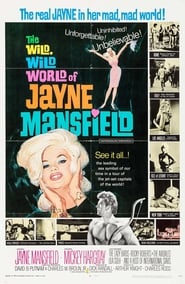
star 3.7Jayne takes us on a review of her last world tour. She takes us through Rome, shares a fantasy about Roman athletes, and then is off to Cannes. She takes a trip to the nudist colony on the Isle of Levant, where she almost kind of joins in. Then it's off to Paris, where she gets a beauty treatment from Fernand Aubrey, and attends some racy dance revues. In New York and Los Angeles, she visits some topless clubs and listens to a topless all-girl pop band. The film wraps up with some posthumous footage of her family in mourning.Voyage to the Edge of the World
1976
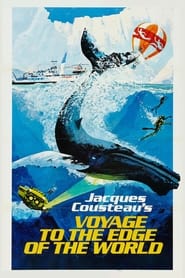
star 6.9On his ship "Calypso," as well as in a submarine, Jacques Cousteau and his crew sail from South America and travel to Antarctica. They explore islands, reefs, icebergs, fossils, active volcanic craters, and creatures of the ocean never before seen. This voyage took place in 1975, and Captain Cousteau became one of the first explorers ever to dive beneath the waters of the frozen South Pole.Alternative 3
1977
Alternative 3
1977
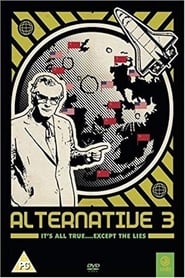
star 5.9Purporting to be an investigation into the UK's contemporary "brain drain", Alternative 3 uncovered a plan to make the Moon and Mars habitable in the event of climate change and a terminal environmental catastrophe on Earth.Mondo Bizarro
1966
Mondo Bizarro
1966
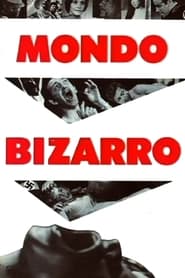
star 4.4A faux travelogue that mixes documentary and mockumentary footage. The camera looks through a one-way glass into the women's dressing room at a lingerie shop, visits a Kyoto massage parlor, goes inside the mailroom at Frederick's of Hollywood, watches an Australian who sticks nails through his skin and eats glass, checks out the art and peace scene in Los Angeles, takes in Easter week with vacationing college students on Balboa Island, observes a German audience enjoying a play about Nazi sadism, and, with the help of powerful military lenses, spies on a Lebanese white-slavery auction.Demon Lover Diary
1980
Demon Lover Diary
1980
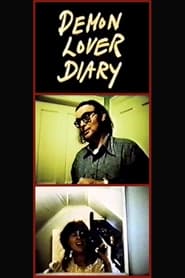
star 5.8The film chronicles filmmaker Joel DeMott, significant other/film partner Jeff Kreines and filmmaker Mark Rance as they head to Michigan to make a low budget horror film.Queen of the Sun: What Are the Bees Telling Us?
2010
star 6.8In 1923, Rudolf Steiner, an Austrian scientist, philosopher & social innovator, predicted that in 80 to 100 years honeybees would collapse. Now, beekeepers around the United States and around the world are reporting an incredible loss of honeybees, a phenomenon deemed "Colony Collapse Disorder." This "pandemic" is indicated by bees disappearing in mass numbers from their hives with no clear single explanation. The queen is there, honey is there, but the bees are gone. For the first time, in an alarming inquiry into the insights behind Steiner's prediction QUEEN OF THE SUN: What Are the Bees Telling Us? investigates the long-term causes behind the dire global bee crisis through the eyes of biodynamic beekeepers, commercial beekeepers, scientists and philosophers.Good Times, Wonderful Times
1966
star 4.4Lionel Rogosin's plea for humanity and against war and fascism. For two years, Rogosin traveled to twelve countries to collect footage of war atrocities from their archives. He interspersed these harrowing images with scenes of a London cocktail party's mundane chatter. Good Times, Wonderful Times was released in 1964 at the height of the Vietnam War, and became one of the great anti-war films of the era.Cat Food
1967
1960
2010
1960
2010
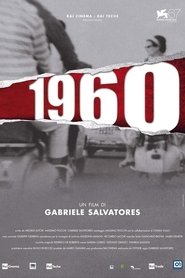
star 5.2By presenting archive footage along with his own life story, filmmaker Gabriele Salvatores mediates an illustration of the economic boom in Italy during the 1960s.I've Been Twelve Forever
2004
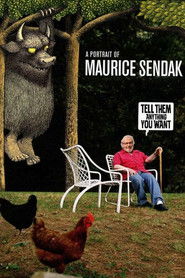
star 6.8A documentary about the inspiration of director Michel Gondry. An extraordinary world where onirism, memories and childhood have the utmost importance.Tell Them Anything You Want: A Portrait of Maurice Sendak
2009
star 8A loving look at one of the most cherished and controversial figures in children's literature, Maurice Sendak. In this deeply moving tribute, spend time with the man who spoke to children through his stories and illustrations in a way no one else could.Burzynski, the Movie
2010
Burzynski, the Movie
2010
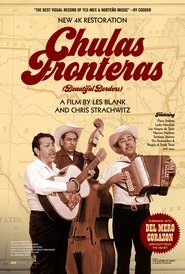
star 6.3Burzynski, the Movie is the story of a medical doctor and Ph.D biochemist named Dr. Stanislaw Burzynski who won the largest, and possibly the most convoluted and intriguing legal battle against the Food & Drug Administration in American history. His victorious battles with the United States government were centered around Dr. Burzynski's gene-targeted cancer medicines he discovered in the 1970's called Antineoplastons, which have currently completed Phase II FDA-supervised clinical trials in 2009 and could begin the final phase of FDA testing in 2011–barring the ability to raise the required $300 million to fund the final phase of FDA clinical trials.Chulas Fronteras
1976
Chulas Fronteras
1976
star 6.6A complex, insightful look at the Chicano experience as mirrored in the lives and music of the most acclaimed Norteño musicians of the Texas-Mexican border, including Flaco Jimenez and Lydia Mendoza. Video includes bonus feature, Del Mero Corazon.Bestiary
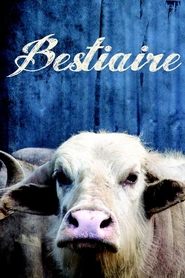
2012
Bestiary
2012
star 6.9A popular sensation in medieval Europe, bestiaries were catalogs of beasts featuring exotic animal illustrations, zoological wisdom, and ancient legends. The documentary unfolds like a filmic picture book where both humans and animals are on display. As we observe them, they also observe us and one another, invoking the Hindu idea of “darshan”: a mutual beholding that initiates a shift in consciousness.The Atomic States of America
2012
star 5.7Based on Kelly McMasters’s memoir about growing up in a nuclear-reactor community, this stirring film illustrates the dire health consequences for many residents in Shirley, her Long Island hometown. Yet despite the known risks of utilizing nuclear power, our country’s rapidly increasing energy needs are fueling a nuclear renaissance.