New Documentary Movies on The Roku Channel - Page 140
All Services
Free Services
 Netflix
 Amazon Prime Video
 Apple iTunes
 Apple TV Plus
 Disney Plus
 Google Play Movies
 Paramount Plus
 Hulu
Hulu
 HBO Max
 YouTube
 fuboTV
 Peacock
 Peacock Premium
 Amazon Video
 The Roku Channel
 AMC+
AMC on Demand
AMC+
AMC on Demand
 Kocowa
 Hoopla
 The CW
 Vudu
Vudu
 Starz
Starz
 Showtime
 PBS
PBS
 Pantaflix
 FXNow
FXNow
 Tubi TV
 Kanopy
 Comedy Central
 Crunchyroll
 Microsoft Store
 Redbox
 Sun Nxt
 ABC
ABC
 DIRECTV
 Crackle
 Fandor
 Plex
Plex
Netflix
Amazon Prime Video
Apple iTunes
Apple TV Plus
Disney Plus
Google Play Movies
Paramount Plus
Hulu
HBO Max
YouTube
fuboTV
Peacock
Peacock Premium
Amazon Video
The Roku Channel
AMC+
AMC on Demand
Kocowa
Hoopla
The CW
Vudu
Starz
Showtime
PBS
Pantaflix
FXNow
Tubi TV
Kanopy
Comedy Central
Crunchyroll
Microsoft Store
Redbox
Sun Nxt
ABC
DIRECTV
Crackle
Fandor
Plex

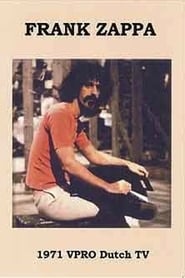
Frank Zappa: A Day With Frank
1971
The Documentary centers around Zappa at home, and on Tour. The amazing thing is that Zappa allowed a guy with a camera to film the band at the Fillmore West w/ Flo and Eddie. There are times when the camera man seems to be on the stage. The performance is recorded from only one camera angle. There are only 4-5 songs presented here.....and Zappa referring to the Fillmore West as the ‘Psychedelic Dungeon’ is priceless………..It is a great piece of history.Christmas at Moose Factory
1971
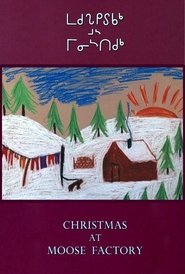
star 8A study of life at Christmastime in Moose Factory, an old settlement mainly composed of Cree families on the shore of James Bay, composed entirely of children's crayon drawings and narrated by children.10 Miles/Hour
1970
10 Miles/Hour
1970
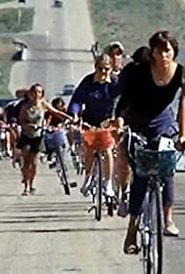
This short documentary offers an account of the epic bicycle ride of seventy girls and one man from Montreal to Vancouver. Their ultimate goal is to raise money in order to fund their trip to Expo 70 in Osaka, Japan.No Substitute for Victory
1970
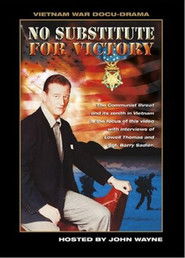
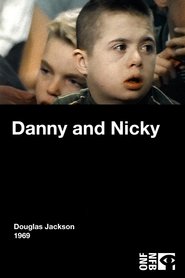
star 4.3John Wayne hosts this film which was produced during the Vietnam War when the Communist threat was at its height.Danny and Nicky
1969
Danny and Nicky
1969
This feature documentary offers a comparison of the care of two boys with Down syndrome. Danny lives at home with his brothers and sisters and attends a special neighborhood school for children with disabilities. Nicky lives in a large institution for persons with intellectual disabilities. This film clarifies common misconceptions about intellectual disabilities, and presents an intimate portrait of the families, staff, and communities that come together to assist Danny and Nicky in learning, playing, and living a fulfilling life.The Doors: Feast of Friends
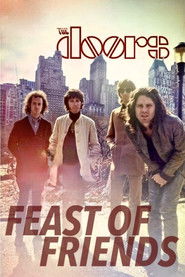
1969
star 6.8A cinematic look at The Doors on the road during their summer '68 tour. Concert performances are intercut with fly-on-the-wall footage of the group in their natural habitat.You Are on Indian Land
1969
star 8.5The territory of Akwesasne straddles the Canada-U.S. border. When Canadian authorities prohibited the duty-free cross-border passage of personal purchases - a right established by the Jay Treaty of 1794 - Kanien'kéhaka protesters blocked the international bridge between Ontario and New York State.A Matter of Survival
1969
A Matter of Survival
1969
The introduction of computers into the workplace in 1969 posed a threat to white-collar workers whose jobs they might replace. This drama documentary looks at the situation from the perspective of the employees and of management.The Ballad of Crowfoot
1968
star 6.8Released in 1968 and often referred to as Canada’s first music video, The Ballad of Crowfoot was directed by Willie Dunn, a Mi’kmaq/Scottish folk singer and activist who was part of the historic Indian Film Crew, the first all-Indigenous production unit at the NFB. The film is a powerful look at colonial betrayals, told through a striking montage of archival images and a ballad composed by Dunn himself about the legendary 19th-century Siksika (Blackfoot) chief who negotiated Treaty 7 on behalf of the Blackfoot Confederacy. The IFC’s inaugural release, Crowfoot was the first Indigenous-directed film to be made at the NFB.Blades and Brass
1967
Blades and Brass
1967
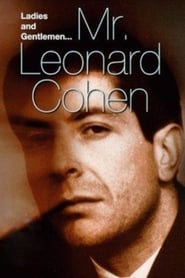
This short documentary showcases the best of the 1967 National Hockey League season, set to music in the Tijuana Brass style. Filmed with an eye to grace and style of movement, the film suggests the bullring as much as the hockey arena.Ladies and Gentlemen, Mr. Leonard Cohen
1966
star 7.2A 1964 documentary portrait of Cohen in his pre-musician days as a poet and stand-up comedian.Fields of Sacrifice
1964
Fields of Sacrifice
1964
star 7This 1964 documentary returns to the battlefields where over 100,000 Canadian soldiers lost their lives in the First and Second World Wars. The film also visits cemeteries where servicemen are buried. Filmed from Hong Kong to Sicily, this documentary is designed to show Canadians places they have reason to know but may not be able to visit. Produced for the Canadian Department of Veteran Affairs by the renowned documentary filmmaker Donald Brittain. (NFB)Figure Skating
1964
Figure Skating
1964
An invitation to experience the thrill of spinning, jumping, skimming, and dancing on winged feet. The film shows how Canada's champions do it. Maria and Otto Jelinek, Don Jackson, Wendy Griner and Don McPherson appear briefly in dazzling exhibition, but the main object of the film is to show that figure skating is for everyone--children, young people, and adults.The Clouded Dawn
1962
The Clouded Dawn
1962
August 1945 - 1946. Japan surrenders. World War II is over, but the scars are deep. Canadian prisoners are released from Japanese war camps. In Canada, as elsewhere, the monumental task of rehabilitation begins.The Smashing of the Reich
1961
An unpublished documentary film proposed in restored version. 100 million meters of film viewing, film libraries inventoried 11 countries and 3 years of work were needed to bring these documents. This documentary evokes the destruction of the Nazi war machine with a particular emphasis on air power. The most significant events are recounted as the Normandy landings, the battle of Paris, the last German offensive with the historical siege of Bastogne and the landing on the island of Elba. Also shown are the bombing of German industrial centers, and the liberation of concentration camps.Sky Above and Mud Beneath
1961
star 5.5In September, 1959, six Europeans leave Cook's Bay on the southern coast of Dutch New Guinea, now West Papua or Irian Jaya, to trek north to the far side of the island. The journey (450 miles, as a crow flies) across unmapped territory took seven months; three Muyu porters died. Near both coasts, the expedition met villagers who invited them to observe rituals and live with them. In the interior, all villagers kept them at bay, and they depended on air lifts from Hollandia for food and supplies. They climbed above 10,000 feet, built 14 bridges, and fought leeches and malaria. The narrator focuses on describing Stone Age savages, headhunters, and cannibals.Golden Gloves
1961
Golden Gloves
1961
star 7A classic NFB documentary about the Golden Gloves boxing tournament, the Canadian amateur's hope for success in the boxing world. This Gilles Groulx film shows three Montreal boxers in training. In behind-the-scenes interviews they talk about their ambitions and what prompted them to take up the sport. - NFBMen Don't Know About It
1957
This is a distinctive example of a documentary film revealing the disparity between the official gender discourse and the social reality of the Polish female.Rhythm and Blues Revue
1955
star 6Rhythm and Blues Revue is a plotless variety show, one of several compiled for theatrical exhibition from the made-for-television short films produced by Snader and Studio Telescriptions, with newly-filmed host segments by Willie Bryant. Originally 86 minutes, the "short" version available on public domain collections and websites is missing a reel