Popular Documentary Movies on Kanopy - Page 120
All Services
Free Services
 Netflix
 Amazon Prime Video
 Apple iTunes
 Apple TV Plus
 Disney Plus
 Google Play Movies
 Paramount Plus
 Hulu
Hulu
 HBO Max
 YouTube
 fuboTV
 Peacock
 Peacock Premium
 Amazon Video
 The Roku Channel
 AMC+
AMC on Demand
AMC+
AMC on Demand
 Kocowa
 Hoopla
 The CW
 Vudu
Vudu
 Starz
Starz
 Showtime
 PBS
PBS
 Pantaflix
 FXNow
FXNow
 Tubi TV
 Kanopy
 Comedy Central
 Crunchyroll
 Microsoft Store
 Redbox
 Sun Nxt
 ABC
ABC
 DIRECTV
 Crackle
 Fandor
 Plex
Plex
Netflix
Amazon Prime Video
Apple iTunes
Apple TV Plus
Disney Plus
Google Play Movies
Paramount Plus
Hulu
HBO Max
YouTube
fuboTV
Peacock
Peacock Premium
Amazon Video
The Roku Channel
AMC+
AMC on Demand
Kocowa
Hoopla
The CW
Vudu
Starz
Showtime
PBS
Pantaflix
FXNow
Tubi TV
Kanopy
Comedy Central
Crunchyroll
Microsoft Store
Redbox
Sun Nxt
ABC
DIRECTV
Crackle
Fandor
Plex

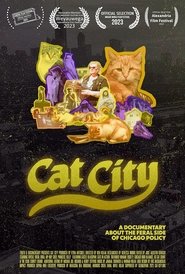
Cat City
2024
Cat City
2024
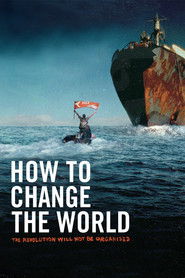
Chicago's love/hate relationship with feral cats, and the communities who look after them.How to Change the World
2014
star 7.1In 1971, a group of friends sail into a nuclear test zone, and their protest captures the world's imagination. Using never before seen archive that brings their extraordinary world to life, How To Change The World is the story of the pioneers who founded Greenpeace and defined the modern green movement.I Am (Not) a Monster
2019
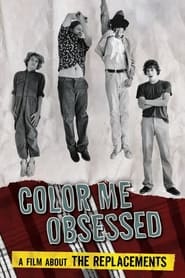
Color Me Obsessed: A Film About The Replacements
2011
star 7For some aging music fans and kids with a passion for musical history, The Replacements are rock and roll defined. Gorman Bechard's remarkable history of the 'Mats takes us from their first show as the Impediments to their 1991 onstage breakup in Chicago, and everywhere in between. Bechard bravely eschews including the band's music, photos, and live footage, instead relying solely on the fans: their well-kept memories, hilarious anecdotes, and differing points of views about the foursome's wildly varied discography and infamous antics.From Devil’s Breath
2021
From Devil’s Breath
2021
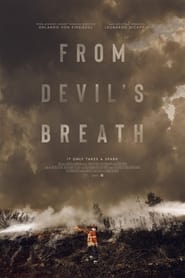
star 6FROM DEVIL’S BREATH tells the unlikely story of two remarkable narratives that come crashing together; the extraordinary, inspiring community of survivors of the deadly 2017 wildfires in Portugal, fighting to ensure what they’ve lived through can never happen again; and a revolutionary, world-changing scientific discovery which could help protect us all from the climate emergency.The School of Canine Massage
2024
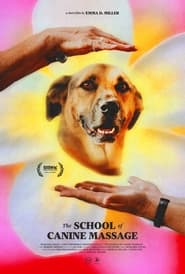
star 10At a unique training program in Southern California, people heal dogs and dogs heal people.Erroll Garner: No One Can Hear You Read
2013
star 7In a triumphant career that lasted forty years Erroll Garner pushed the playability of the piano to its limits, developed an international reputation, and made an indelible mark on the jazz world. And yet, his story has never been told. Until now. The film explores Erroll's childhood in Pittsburgh; his meteoric rise in popularity while playing on 52nd street, New York's famed jazz epicenter; the origins of his most famous album (Concert By The Sea) and his most famous composition (Misty); his singular, virtuosic piano style; and his dynamic personality, both on and off the stage.World's Fastest Animal
2018
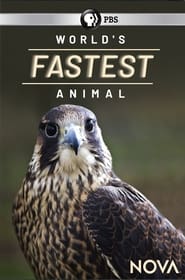
star 9See the world through the eyes of nature’s fastest animal: the peregrine falcon. Though once perilously endangered in the U.S., this spectacular predator is now thriving again in American cities and on every continent but Antarctica. What is the secret to its predatory prowess? Join expert falconer Lloyd Buck as he trains a captive peregrine and puts its hunting skills to the test.Raising Bertie
2017
Raising Bertie
2017
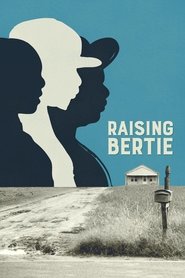
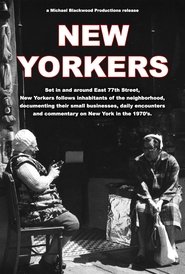
star 9Raising Bertie is a longitudinal documentary feature following three young African American boys over the course of six years as they grow into adulthood in Bertie County, a rural African American-led community in Eastern North Carolina. Through the intimate portrayal of these boys, this powerful vérité film offers a rare in-depth look at the issues facing America's rural youth and the complex relationships between generational poverty, educational equity, and race. The evocative result is an experience that encourages us to recognize the value and complexity in lives all too often ignored.New Yorkers
1971
New Yorkers
1971
Set in and around E. 77th St., New Yorkers follows inhabitants of the neighborhood, documenting their small businesses, daily encounters and commentary on New York in the 1970s. With the neighborhood experiencing changes in culture, cost and character we get to know a wide range of residence each vastly different from the last.Near Death
1989
Near Death
1989
star 7A film about the Medical Intensive Care Unit at Boston's Beth Israel Hospital. The film is concerned with how people face death. More specifically the film presents the complex interrelationships among patients, families, doctors, nurses, hospital staff and religious advisors as they confront the personal, ethical, medical, psychological, religious and legal issues involved in making decisions about whether or not to give life-sustaining treatment to dying patients.Radioactive: The Women of Three Mile Island
2024
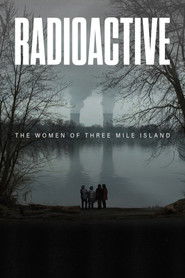
star 6.3In this thrilling documentary, indomitable women fight back against the nuclear industry to expose one of the biggest cover-ups in US history: the 1979 Three Mile Island meltdown and its aftermath. The film reveals the never-before-told stories of four intrepid homemakers who take their case all the way to the Supreme Court, and a young female journalist who's caught in the radioactive crossfire.Flyin' Cut Sleeves
1993
Flyin' Cut Sleeves
1993
star 4.5FLYIN' CUT SLEEVES, completed in 1993, portrays street gang presidents in the Bronx. Their world was the streets, set against a backdrop of uprooted families, cultural alienation, drugs and violence. Neighborhood teenagers responded by organizing into street groups known to the members as "families", but labeled in the most alarming terms as violent gangs by the press. The documentation of these lives over a twenty-year period offers a remarkable perspective on life in the ghetto (spanning four generations), and the means that people devise to cope from the time that they are children to when they serve as parents and role models for a new generation.Frantz Fanon: Black Skin, White Mask
1996
star 7Explores the life and work of the psychoanalytic theorist and activist Frantz Fanon who was born in Martinique, educated in Paris and worked in Algeria. Examines Fanon's theories of identity and race, and traces his involvement in the anti-colonial struggle in Algeria and throughout the world.Church & State
2018
Church & State
2018
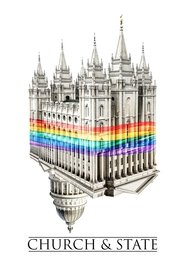
star 4.8Church & State is the improbable story of a brash, inexperienced gay activist and a tiny Salt Lake City law firm that joined forces to topple Utah’s gay marriage ban. The film’s ride on the bumpy road to equality in Utah offers a glimpse at the Mormon church’s influence in state politics and the squabbles inside the gay community that nearly derailed a chance to make history. Church & State is a story of triumph, setback and a little-known lawsuit that should have failed, but instead paved the way for a U.S. Supreme Court decision that legalized gay unions nationwide.Once You Know
2021
Once You Know
2021
star 6.7Today, like a ship entering the storm, the world faces climate change induced collapse. Once You Know, by director Emmanuel Cappellin, is a poetic and poignant exploration of how four of the world’s leading climate scientists and energy experts find truth, chaos, and hope in their work.The Johnstown Flood
2003
The Johnstown Flood
2003
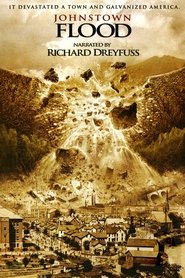
star 6On a stormy day in May of 1889, the South Fork Dam impounding Conemaugh Lake exploded, unleashing a 40-foot wall of water. The bustling industrial city of Johnstown, PA, in the valley below was reduced to a wasteland, killing more than 2,200. This heavily dramatized documentary reviews the factors that led to the dam's collapse, while dramatic reenactments and survivors' personal testimonies detail the horror.Let the Child Be the Guide
2017
star 6.8As a young father, watching his daughter go through her life experiences, film director Alexandre Mourot discovered the Montessori approach and decided to set his camera up in a children's house (3 to 6 years of age) in the oldest Montessori school in France. Alexandre was warmly welcomed in a surprisingly calm and peaceful environment, filled with flowers, fruits and Montessori materials. He met happy children, who were free to move about, working alone or in small groups. The teacher remained very discreet. Some children were reading, others were making bread, doing division, laughing or sleeping. The children guided the film director throughout the whole school year, helping him to understand the magic of their autonomy and self-esteem - the seeds of a new society of peace and freedom, which Maria Montessori dedicated her life work to.MIAU
2022
Escape to Life: The Erika and Klaus Mann Story
2001
star 4.2This documentary contains dramatized episodes about the lives of Erika and Klaus Mann, the brilliant children of German writer Thomas Mann.