Popular Documentary Movies on Kanopy - Page 122
All Services
Free Services
 Netflix
 Amazon Prime Video
 Apple iTunes
 Apple TV Plus
 Disney Plus
 Google Play Movies
 Paramount Plus
 Hulu
Hulu
 HBO Max
 YouTube
 fuboTV
 Peacock
 Peacock Premium
 Amazon Video
 The Roku Channel
 AMC+
AMC on Demand
AMC+
AMC on Demand
 Kocowa
 Hoopla
 The CW
 Vudu
Vudu
 Starz
Starz
 Showtime
 PBS
PBS
 Pantaflix
 FXNow
FXNow
 Tubi TV
 Kanopy
 Comedy Central
 Crunchyroll
 Microsoft Store
 Redbox
 Sun Nxt
 ABC
ABC
 DIRECTV
 Crackle
 Fandor
 Plex
Plex
Netflix
Amazon Prime Video
Apple iTunes
Apple TV Plus
Disney Plus
Google Play Movies
Paramount Plus
Hulu
HBO Max
YouTube
fuboTV
Peacock
Peacock Premium
Amazon Video
The Roku Channel
AMC+
AMC on Demand
Kocowa
Hoopla
The CW
Vudu
Starz
Showtime
PBS
Pantaflix
FXNow
Tubi TV
Kanopy
Comedy Central
Crunchyroll
Microsoft Store
Redbox
Sun Nxt
ABC
DIRECTV
Crackle
Fandor
Plex

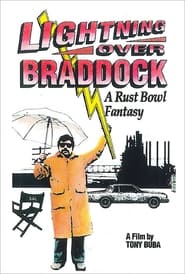
Lightning Over Braddock: A Rustbowl Fantasy
1988
star 6.8Tony Buba, a film maker from Braddock, Pennsylvania, tells the story of his hometown's decline (along with the rest of the steel mill towns along the Monongahela River) while he dreams of making higher budget films. The picture documents, in a lighthearted way, the community anxiety and activism that accompanied the failure of the steel industry around Pittsburgh, Pennsylvania.I Need That Record!
2008
I Need That Record!
2008
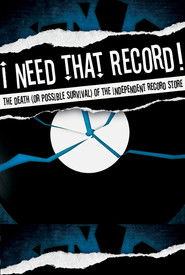
star 6.5Guerilla filmmaker Brendan Toller unleashes I NEED THAT RECORD! THE DEATH (OR POSSIBLE SURVIVAL) OF THE INDEPENDENT RECORD STORE, "an elegy for a vanishing subculture...a lively, bittersweet film that examines - with caustic humor, brutal candor, and, ultimately, great affection - why roughly 3,000 indie record stores have closed across the nation over the past decade," (Johnathan Perry, Boston Globe). A tour-de-force tale of greed, media consolidation, homogenized radio, big box stores, downloading, and technological shifts in the music industry told through candid interviews, crestfallen record store owners, startling statistics, and eye-popping animation. Fat cats or our favorite record stores? You decide. Featuring- IAN MACKAYE, NOAM CHOMSKY, MIKE WATT, THURSTON MOORE, LENNY KAYE (Patti Smith), CHRIS FRANTZ (Talking Heads), GLENN BRANCA, PATTERSON HOOD (Drive By Truckers), PAT CARNEY (Black Keys) , LEGS MCNEIL, BOB GRUEN, BP HELIUM, and many indie record stores across the U.S.All the Rage (Saved by Sarno)
2016
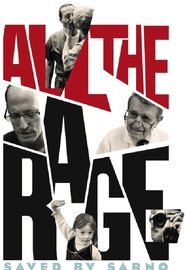
star 8America is experiencing an epidemic of pain. One man has the answer to the problem yet the medical establishment has ignored him. For nearly 50 years, Dr. John Sarno has been single-handedly battling the pain epidemic by focusing on the mind-body connection and the nature of stress and the manifestation of physical ailments. With a renowned practice in rehabilitative medicine at NYU he is also a bestselling author of numerous books that deal with psychosomatic disorders. Filmmaker Michael Galinsky's family has a long history with Dr. Sarno and their experience will be woven into the fabric of the film, alongside well known patients, including Howard Stern, John Stossel, Jonathan Ames, Larry David, and many others.Stolen Education
2013
Stolen Education
2013
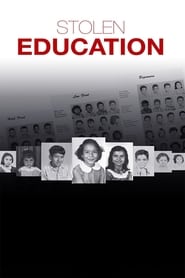
"Stolen Education" documents the untold story of Mexican-American school children who challenged discrimination in Texas schools in the 1950s and changed the face of education in the Southwest.Meditation on Violence
1949
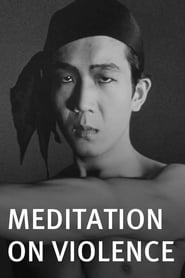
star 5.6Chao-Li Chi shadow boxes indoors and practices with a sword outdoors. Theoretically, the film describes in a single continuous movement three degrees of traditional Chinese boxing, Wu-tang, Shao-lin, and Shao-lin with a sword. A long sequence of the ballet-like, sinuous Wu-tang becomes the more erratic Shao-lin; in the middle, there is an abrupt change to leaping sword movements, in the center of which, at the apogee of the leap, there is a long held freeze-frame.Ballad of the Little Soldier
1984
star 6.4A group of Miskito Indians use Nicaraguan child soldiers in their resistance against the Sandinistas.Gods of Mexico
2022
Gods of Mexico
2022
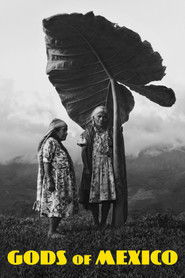
star 5.8It follows the resistance to modernization in rural Mexico. It is a reminder that it is still possible to live in tune with our essence as human beings.The Judge
2017
The Judge
2017
star 6.1A verité legal drama about Judge Kholoud Al-Faqih, the first woman appointed to a Shari'a court in the Middle East, whose career provides rare insights into both Islamic law and gendered justice.Steve Jobs: Consciously Genius
2012
This unauthorized documentary examines the influential life of Apple co-founder Steve Jobs, the visionary CEO who forever altered how Americans used computers and digested music.Keep Quiet
2016
Keep Quiet
2016
star 6.8Passionate in his anti-Semitic beliefs, Csanád Szegedi was the rising star of Hungary’s far-right party until he discovers his family’s secret—his maternal grandparents were Jewish. The revelation prompts an improbable but seemingly heartfelt conversion from anti-Semite to Orthodox Jew.Black Patriots: Buffalo Soldiers
2022
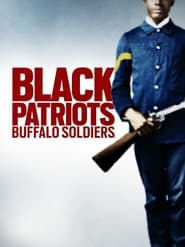
As the United States recovered from the bloody aftermath of the Civil War, Congress passed the Reorganization Act in 1866, that created the first-ever all-Black peacetime regiments. These six regiments would be reduced to four – the 9th and 10th Cavalry and the 24th and 25th Infantry – and soon earn the moniker Buffalo Soldiers. Although they never received the true and full recognition they deserved, Black Patriots: Buffalo Soldiers, will tell their remarkable story of their valor, bravery, and service. From the complicated skirmishes in the Southwest against Native Americans to the heroic battles on foreign soil to the ongoing fight to be treated as first-class citizens, the Buffalo Soldiers served with pride, dignity, and belief in defending a free America.A Gesar Bard's Tale
2013
A Gesar Bard's Tale
2013
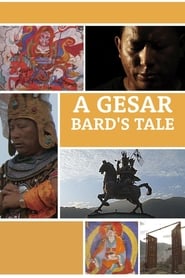
As a boy, Dawa was an illiterate Tibetan nomad whose life revolved around herding yaks. At 13, his life changed: through a series of visions, Dawa acquired the gift of telling the epic story of Tibet’s King Gesar. Now, at 35, Dawa receives a salary from the government as a guardian of national cultural heritage and is regarded as a holy man by his community. When an earthquake reduces his hometown to rubble, redevelopment of the region takes a giant leap forward. In the midst of such seismic shifts, Dawa seeks healing from King Gesar and other divine protectors of the land.Reset
2016
Reset
2016
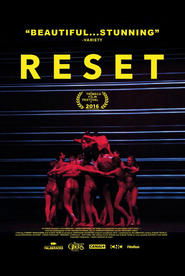
star 7.8In early 2013, it was announced that choreographer and dancer Benjamin Millepied, known as the man behind the ballet of Black Swan, would take over as director of the Paris Opera Ballet. Reset finds Millepied on the eve of his first gala with the Opera, designing and refining his inaugural choreography for the esteemed institution. As a film, Reset possesses of the same artistic assuredness as its subject as he blocks out the preliminary steps for his choreography. It explores various concepts of space simultaneously: the digital space, the space of the opera house (each scene opens with a declaration of which studio it’s in) and the space of the stage, the distance from stage right to stage left. It’s a portrait of a watershed moment for one of the ballet's oldest institutions and one of its brightest new stars, both on the cusp of great transition.Harriet Tubman: Visions of Freedom
2021
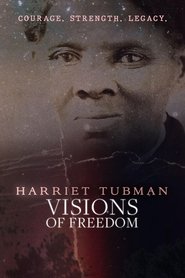
star 8.5This powerful, nuanced portrait arrives just in time celebrate the bicentennial of American abolitionist and political activist Harriet Tubman. Parts of her story are well known; born into slavery, Tubman escaped and subsequently made some 13 missions to rescue approximately 70 enslaved people, including family and friends, using the network of anti-slavery activists and safe houses known as the Underground Railroad. But the film delves deeper, illuminating her spirit and strength through exploits as a union scout and spy during the Civil War, an activist for women's suffrage and a singular figure who defied categorization at every turn. The foremost chronicler of the Black experience working in nonfiction film today, Stanley Nelson, alongside co-director Nicole London, brings rich, deeply researched historical detail to the story of this remarkable woman.No Loitering
2002
No Loitering
2002
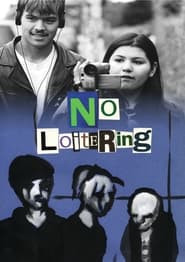
An intimate portrait of teenagers trying to understand their world and their possibilities. The film weaves together video shot by teens and by the filmmaker, as they work together to make a film and create expressive outlets for youth in the community. They organize dances and community events and paint a mural. At the same time, with humor and pathos, these young people raise issues around violence, feeling misunderstood by adults and lacking respect in their community. Set in the small town of Sitka, Alaska, home to a large Alaska Native population, the video chronicles their creativity, concerns and dreams.A Perfect Candidate
1996
A Perfect Candidate
1996
star 5.6The filmmakers follow Oliver North's unsuccessful 1994 bid for a Virginia Senate seat, focusing on North's campaign strategist, Mark Goodin, and a Washington Post reporter. Mudslinging ensues.Seasons
2016
Seasons
2016
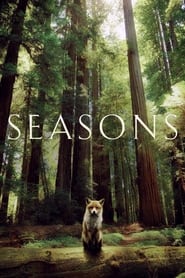
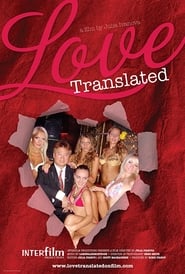
star 7Jacques Perrin and Jacques Cluzaud travel throughout Europe to film brown bears, wild horses, wolves and other animals in their natural habitat.Love Translated
2010
Love Translated
2010
star 7On the dating tour to Odesa, Ukraine, ten North American and European men have 10 days to find a partner for the rest of their lives. After the intoxication of the tour is over, only one couple will stay together.The Trail Of Tears: Cherokee Legacy
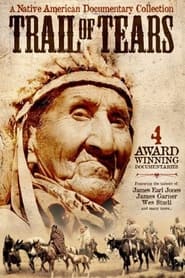
2006
star 4.5Explore America’s darkest period: President Andrew Jackson’s Indian Removal Act of 1830 and the forced removal of the Cherokee Nation to Oklahoma in 1838. Nearly a quarter of the Cherokee National died during the Trail of Tears, arriving in Indian Territory with few elders and even fewer children.Cat City
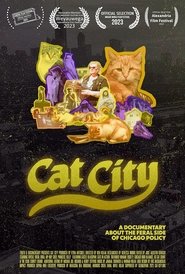
2024
Cat City
2024
Chicago's love/hate relationship with feral cats, and the communities who look after them.