Popular Documentary Movies on Kanopy - Page 121
All Services
Free Services
 Netflix
 Amazon Prime Video
 Apple iTunes
 Apple TV Plus
 Disney Plus
 Google Play Movies
 Paramount Plus
 Hulu
Hulu
 HBO Max
 YouTube
 fuboTV
 Peacock
 Peacock Premium
 Amazon Video
 The Roku Channel
 AMC+
AMC on Demand
AMC+
AMC on Demand
 Kocowa
 Hoopla
 The CW
 Vudu
Vudu
 Starz
Starz
 Showtime
 PBS
PBS
 Pantaflix
 FXNow
FXNow
 Tubi TV
 Kanopy
 Comedy Central
 Crunchyroll
 Microsoft Store
 Redbox
 Sun Nxt
 ABC
ABC
 DIRECTV
 Crackle
 Fandor
 Plex
Plex
Netflix
Amazon Prime Video
Apple iTunes
Apple TV Plus
Disney Plus
Google Play Movies
Paramount Plus
Hulu
HBO Max
YouTube
fuboTV
Peacock
Peacock Premium
Amazon Video
The Roku Channel
AMC+
AMC on Demand
Kocowa
Hoopla
The CW
Vudu
Starz
Showtime
PBS
Pantaflix
FXNow
Tubi TV
Kanopy
Comedy Central
Crunchyroll
Microsoft Store
Redbox
Sun Nxt
ABC
DIRECTV
Crackle
Fandor
Plex

Jason Becker: Not Dead Yet
2012
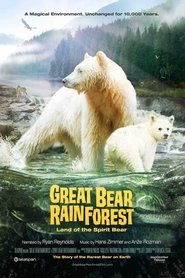
star 7.6When doctors diagnosed 19-year-old rock star Jason Becker with Lou Gehrig's Disease, they said he would never make music again and that he wouldn’t live to see his 25th birthday. 22 years later, without the ability to move or to speak, Jason is alive and making music with his eyes.Great Bear Rainforest: Land of the Spirit Bear
2019
star 8Journey to a land of grizzlies, coastal wolves, sea otters and the all-white spirit bear - the rarest bear on earth - in the film Great Bear Rainforest. Hidden from the outside world, the Great Bear Rainforest is one of the wildest places left on earth. Found on Canada's remote Pacific coast, it is the last intact temperate rainforest in the world-a place protected by the region's indigenous people for millennia. Now, for the first time ever, experience this magical world in IMAX and giant screen theatres, and discover the land of the spirit bear.Liberators: Fighting on Two Fronts in World War II
1992
star 5An account of Black American soldiers in World War II who combated racism in the segregated military and on the home front.Pressure Cooker
2008
Pressure Cooker
2008
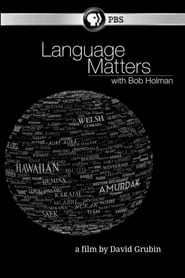
star 7.8A committed, passionate teacher tries to make all the difference in the lives of disadvantaged students.Language Matters with Bob Holman
2015
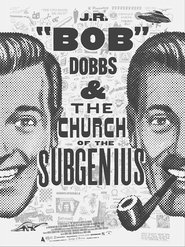
star 10There are over 6,000 languages in the world. We lose one every two weeks. Hundreds will be lost within the next generation. By the end of this century, half of the world's languages will have vanished. Language Matters with Bob Holman is a two hour documentary that asks: What do we lose when a language dies? What does it take to save a language?J.R. “Bob” Dobbs and The Church of the SubGenius
2019
star 5.6What started out as an inside joke amongst two self proclaimed weirdos in Ft. Worth, Texas soon becomes much more than they bargained for. Frustrated by the rising consumer-driven culture, out-of-work pals Douglass St. Clair Smith and Steve Wilcox decide to turn their conservative southern ideology on its head and invent a new religion all their own. Spurred on by the overreach of religion and zealous televangelists of the day, the pair concoct religious monikers (Reverend Ivan Stang and Dr. Philo Drummond), a newly minted prophet (J.R. "Bob" Dobbs), and devise a crusade to expose the conspiracy of normalcy by using humor as the ultimate weapon.A Film Unfinished
2010
A Film Unfinished
2010
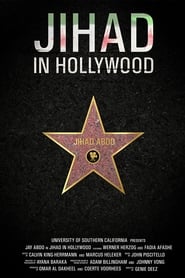
star 6.4Yael Hersonski's powerful documentary achieves a remarkable feat through its penetrating look at another film-the now-infamous Nazi-produced film about the Warsaw Ghetto. Discovered after the war, the unfinished work, with no soundtrack, quickly became a resource for historians seeking an authentic record, despite its elaborate propagandistic construction. The later discovery of a long-missing reel complicated earlier readings, showing the manipulations of camera crews in these "everyday" scenes. Well-heeled Jews attending elegant dinners and theatricals (while callously stepping over the dead bodies of compatriots) now appeared as unwilling, but complicit, actors, alternately fearful and in denial of their looming fate.Jihad in Hollywood
2016
Jihad in Hollywood
2016
Once a successful Syrian actor, Jihad Abdo is now struggling as a refugee while trying to reinvent his life and rebuild his career.This Mountain Life
2018
This Mountain Life
2018
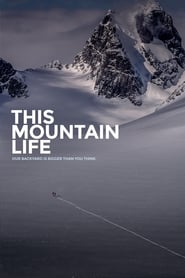
star 6.8A daughter and her 60-year-old mother embark on a 6 month, 2,300-kilometre ski trek through British Columbia’s rugged terrain.A Thousand Girls Like Me
2018
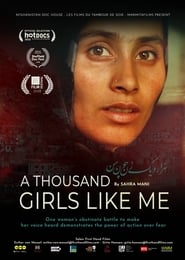
star 8.2When Khatera, a 23-year-old Afghan woman, forces her father to stand trial after a lifetime of sexual abuse, she risks her family, freedom, and personal safety to expose a judicial system that incriminates the very women who seek protection.Playing God
2017
Playing God
2017
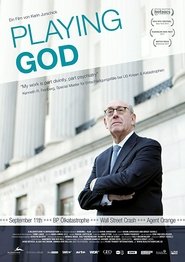
star 7Witness firsthand the struggle of the charismatic and controversial US attorney who, since 9/11, has been charged with the impossible task of assigning a dollar value to life when compensating victims of America’s most tragic events.Tintoretto: A Rebel in Venice
2019
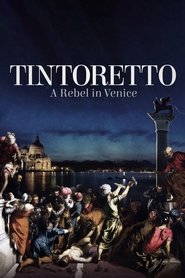
star 8.1Five hundred years after his birth, the life and career of the Italian Renaissance's last great painter is explored.Black, White & Us
2019
Black, White & Us
2019
Explores racism in America through the lives of four white families who adopt African American children and must overcome their own inherent biases to become advocates. Is there a way to fix our country's racial divide? These transracial adoptive families just might provide the answer.Forest for the Trees
2021
Forest for the Trees
2021
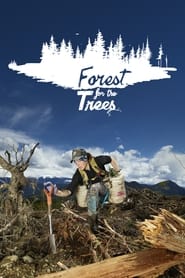
Award-winning war photographer Rita Leistner goes back to her roots as a tree planter in the wilderness of British Columbia, offering an inside take on the grueling, sometimes fun and always life-changing experience of restoring Canada’s forests. Leistner, who has photographed some of the world’s most dangerous places, credits the challenge of tree-planting for her physical and mental endurance. In Forest for the Trees, her first feature film, she revisits her past to share the lessons she learned. The film introduces us to everyday life on the “cut-block” and the brave souls who fight through rough terrains and work endless hours to bring our forests to life. The rugged BC landscape comes to life magically in Leistner’s photography, while the quirky characters and nuggets of wisdom shared around the campfire tell a sincere story of community.Oliver Sacks: His Own Life
2021
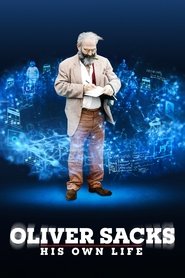
star 7.6Oliver Sacks: His Own Life explores the life and work of the legendary neurologist and storyteller, as he shares intimate details of his battles with drug addiction, homophobia, and a medical establishment that accepted his work only decades after the fact. Sacks was a fearless explorer of unknown mental worlds who helped redefine our understanding of the brain and mind, the diversity of human experience, and our shared humanity.Strike a Pose
2016
Strike a Pose
2016
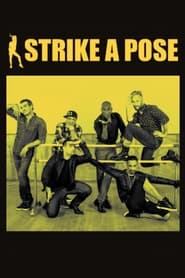
star 6.7In 1990, seven young male dancers joined Madonna on her most controversial world tour. Their journey was captured in Truth or Dare. As a self-proclaimed 'mother' to her six gay dancers plus straight Oliver, Madonna used the film to make a stand on gay rights and freedom of expression. The dancers became paragons of pride, inspiring people all over the world to dare to be who you are. 25 years later, the dancers share their own stories about life during and after the tour. What does it really take to express yourself?The B-Side: Elsa Dorfman's Portrait Photography
2017
star 6.8Portrait photographer Elsa Dorfman found her medium in 1980: the larger-than-life Polaroid Land 20x24 camera. For the next thirty-five years, she captured the “surfaces” of those who visited her studio: families, Beat poets, rock stars, and Harvard notables. As pictures begin to fade and her retirement looms, Dorfman gives Errol Morris an inside tour of her backyard archive.Cynara
2023
Cynara
2023
star 2After a break-in, a mother calls 911 seeking help for her disabled daughter, Cynara. Hours later, Cynara is dead, and her mother is the prime suspect in this gripping story of Canada's justice system on trial.The Beginning of Life
2016
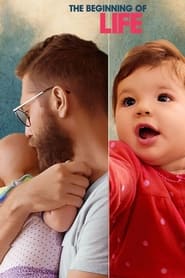
star 7.3One of the greatest neuroscience breakthroughs is having discovered that babies are far more than a genetic load. The development of all human beings lies on the combination of genetics, the quality of the relationships and the environment they are set on. The Beginning of Life invites everyone to reflect: are we taking good care of this unique moment, which defines both the present and future of humankind?A Bitter Legacy
2017
A Bitter Legacy
2017
A sobering look at the brutal treatment of Japanese-Americans before, during, and after WWII as well as the global repercussions that resulted.