Popular Documentary Movies on Kanopy - Page 123
All Services
Free Services
 Netflix
 Amazon Prime Video
 Apple iTunes
 Apple TV Plus
 Disney Plus
 Google Play Movies
 Paramount Plus
 Hulu
Hulu
 HBO Max
 YouTube
 fuboTV
 Peacock
 Peacock Premium
 Amazon Video
 The Roku Channel
 AMC+
AMC on Demand
AMC+
AMC on Demand
 Kocowa
 Hoopla
 The CW
 Vudu
Vudu
 Starz
Starz
 Showtime
 PBS
PBS
 Pantaflix
 FXNow
FXNow
 Tubi TV
 Kanopy
 Comedy Central
 Crunchyroll
 Microsoft Store
 Redbox
 Sun Nxt
 ABC
ABC
 DIRECTV
 Crackle
 Fandor
 Plex
Plex
Netflix
Amazon Prime Video
Apple iTunes
Apple TV Plus
Disney Plus
Google Play Movies
Paramount Plus
Hulu
HBO Max
YouTube
fuboTV
Peacock
Peacock Premium
Amazon Video
The Roku Channel
AMC+
AMC on Demand
Kocowa
Hoopla
The CW
Vudu
Starz
Showtime
PBS
Pantaflix
FXNow
Tubi TV
Kanopy
Comedy Central
Crunchyroll
Microsoft Store
Redbox
Sun Nxt
ABC
DIRECTV
Crackle
Fandor
Plex

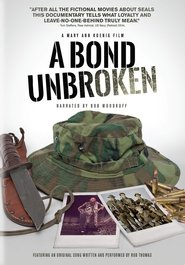
A Bond Unbroken, the Why of Minh
2017
A reunion 40 years in the making. After decades of wondering what became of their combat interpreter, a group of U.S. Navy SEALs attempts to find Nguyen Hoang Minh, left behind in the aftermath of the Vietnam War. When they discover him living in abject poverty, the bond they forged during the conflict is so strong that the entire SEAL community takes up funds to ensure that Minh has financial security for the rest of his life. The film documents the circumstances that created that bond, the reunion, and the impact on the Vietnamese-American community.Permanent Change: Plastics in Architecture and Engineering
2011
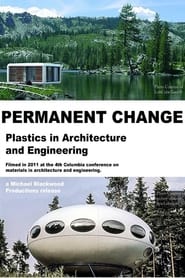
"Permanent Change" looks at the history and development of plastic within the architectural world. Capturing both a series of lectures and a panel with prominent names such as Steven Holl, Beatriz Colomina and Werner Sobek, this documentation observes detailed examples and lively debates regarding the popularization of plastic as a construction material. Addressing a number of contributing factors including design, engineering and form, the participants of the conference present a wide range of theories, analyses and predictions pertaining to plastics as an architectural material.On Any Sunday
1971
On Any Sunday
1971
star 6.8Documentary on motorcycle racing featuring stars of the sport, including film star Steve McQueen, a racer in his own right.Sealab
2019
Sealab
2019
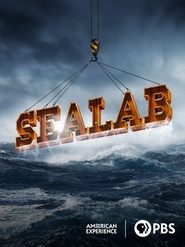
The Sealab project, launched in 1969 off the shore of northern California, was the brainchild of a country doctor turned naval pioneer who dreamed of pushing the limits of ocean exploration like NASA did space exploration. The massive, 300-ton tubular structure was a pressurized underwater habitat, complete with science labs and living quarters for divers who would live and work there on the ocean floor for days or even months at a time. During the height of the Space Race, this daring program also tested the limits of human endurance and revolutionized the way humans explore the ocean.Nana
2016
Granito: How to Nail a Dictator
2011
star 4.5A story of destinies joined by Guatemala's past, and how a documentary film intertwined with a nation's turbulent history emerges as an active player in the present.The Cult of JT LeRoy
2014
The Cult of JT LeRoy
2014
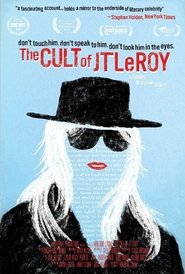
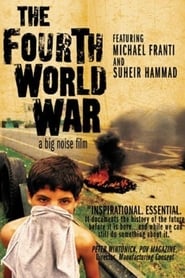
star 5.3A feature documentary about the writer JT LeRoy - Ethically charged, controversial, and confusing, JT’s life and death sprang open a Pandora’s box of powerful questions about literature and culture, identity and celebrity, and the reality of the society we live in. Fraud? Art? Mental illness? Complicity? The Cult of JT Leroy will be a testament to this bizarre and elaborate story that has captured the attention and fascination of the world’s media, and perplexes to this day.The Fourth World War
2003
The Fourth World War
2003
star 5.5From the front-lines of conflicts in Mexico, Argentina, South Africa, Palestine, Korea, 'the North' from Seattle to Genova, and the 'War on Terror' in New York, Afghanistan, and Iraq. It is the story of men and women around the world who resist being annihilated in this war. While our airwaves are crowded with talk of a new world war, narrated by generals and filmed from the noses of bombs, the human story of this global conflict remains untold. "The Fourth World War" brings together the images and voices of the war on the ground. It is a story of a war without end and of those who resist. The product of over two years of filming on the inside of movements on five continents, "The Fourth World War" is a film that would have been unimaginable at any other moment in history. Directed by the makers of "This Is What Democracy Looks Like" and "Zapatista", produced through a global network of independent media and activist groups, it is a truly global film from our global movement.The Heat: A Kitchen (R)evolution
2018
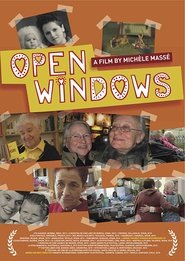
star 6In restaurant kitchens, tight quarters, high pressure and hot tempers combine to create toxic conditions that make it difficult for anyone to survive, let alone climb the ladder to head chef. For women, the situation is even worse. Running a successful restaurant is a daunting challenge, even more so when the odds are stacked against you. But as women take charge at more of the world's top dining establishments, a cultural shift is dismantling the macho environment that made celebrities out of "bad boy" chefs. From New York City's star chefs Anita Lo and Amanda Cohen to the queen of French cuisine Anne-Sophie Pic, seven chefs share their struggles to overcome a system of inequality and harassment while delivering delicious dishes and redefining the dining experience. An appetite for change has taken hold and there's no turning backOpen Windows
2014
Open Windows
2014
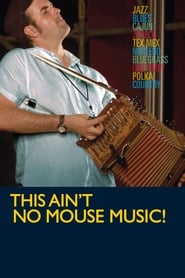
star 5In Madrid and in Paris, Boti, Empar, Micheline and Jocelyne, four lesbian women in their seventies, tell of their fears, their desires, their differences - They are still active, or activists, and refuse to be pushed aside because of their age. They live their everyday lives to the fullest, taking advantage of all opportunities. Beyond the taboos, they reflect on their loves, past and present, because their love-lives and sex-lives are not yet over.This Ain't No Mouse Music!
2014
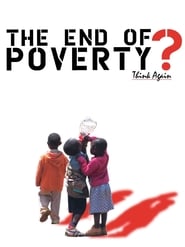
star 7Loving, music-filled tribute to Chris Strachwitz, guiding force behind legendary roots music label Arhoolie Records. With Ry Cooder, Clifton Chenier, Richard Thompson, Flaco Jiménez and a new generation of roots musicians.The End of Poverty?
2008
The End of Poverty?
2008
star 7.9The End of Poverty? asks if the true causes of poverty today stem from a deliberate orchestration since colonial times which has evolved into our modern system whereby wealthy nations exploit the poor. People living and fighting against poverty answer condemning colonialism and its consequences; land grab, exploitation of natural resources, debt, free markets, demand for corporate profits and the evolution of an economic system in in which 25% of the world's population consumes 85% of its wealth. Featuring Nobel Prize winner Amartya Sen and Joseph Stiglitz, authors/activist Susan George, Eric Toussaint, Bolivian Vice President Alvaro Garcia Linera and more.Bloody Nose, Empty Pockets
2020
star 6.7A portrait of the lives of a disparate group of patrons and employees at an American watering hole today.The Artist's Studio: Jean Dubuffet
1973
In the fall of 1973 we had an opportunity to visit Jean Dubuffet in his studio while he was at work on a detail for his musical theater piece Coucou Bazar. The production, which Dubuffet saw as an animated painting, featured performers in costumes resembling figures in his paintings and sculptures. The piece had a successful premiere at New York's Guggenheim earlier that year, alongside a retrospective of Dubuffet's previous works, and later would open at the Grand Palais under the auspices of the annual Festival d'Automne. Though Dubuffet once suffered a period of doubt surrounding his art, he returned to the practice with an impersonal and primitive touch, becoming more and more influenced by works that had no connection to mainstream art, for which he coined the term ART BRUT.This Mountain Life
2018
This Mountain Life
2018
star 6.8A daughter and her 60-year-old mother embark on a 6 month, 2,300-kilometre ski trek through British Columbia’s rugged terrain.Undiscovered Haiti with José Andrés
2015
Undiscovered Haiti follows José Andrés into the heart of this mysterious country; through its unique cuisine we discover the history and culture - and see into the future - of a proud and rarely understood people.Follow My Voice: With the Music of Hedwig
2006
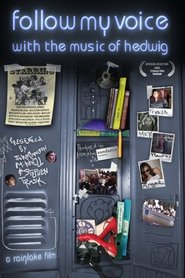
star 6.6One record producer, the creators of "Hedwig and the Angry Inch" and top indie rock artists come together to create a tribute album benefiting the Hetrick-Martin Institute, home of the Harvey Milk School- the first accredited high school in the country for LGBTQ youth. "Follow My Voice: With the Music of Hedwig" weaves the compelling, courageous stories of four students at this controversial school with a unique chronicle of the yearlong creation of "Wig in a Box," the album whose songs poignantly echo these teens' struggles and aspirations. Through a dramatic and vibrant combination of verite documentation, student video diaries and rare in-studio scenes of artists recording tracks, "Follow My Voice" offers a powerful and poignant look at this unlikely intersection of youth, gender and rock. Includes studio sessions from Yoko Ono, Rufus Wainwright, The Bens, The Breeders, Yo La Tengo, John Cameron Mitchell, They Might Be Giants and more.The Phantom
2021
The Phantom
2021
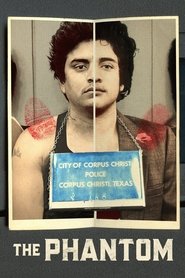
star 6.2Carlos DeLuna was arrested in 1993 aged 21 for the murder of Wanda Lopez, and protested his innocence until his execution, declaring that it was another Carlos who committed the crime.The Blood Is at the Doorstep
2017
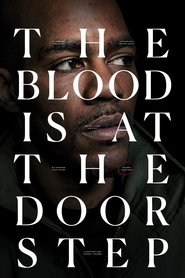
star 6.5After Dontre Hamilton, a black, unarmed man diagnosed with schizophrenia, was shot 14 times and killed by police in Milwaukee, his family embarks on a quest for answers, justice and reform as the investigation unfolds.Best Kept Secret
2013
Best Kept Secret
2013
star 7.6A Newark, New Jersey high school teacher struggles to prepare her students with autism to survive in the brutal world that awaits them once they graduate.