New Documentary Movies on Kanopy - Page 291
All Services
Free Services
 Netflix
 Amazon Prime Video
 Apple iTunes
 Apple TV Plus
 Disney Plus
 Google Play Movies
 Paramount Plus
 Hulu
Hulu
 HBO Max
 YouTube
 fuboTV
 Peacock
 Peacock Premium
 Amazon Video
 The Roku Channel
 AMC+
AMC on Demand
AMC+
AMC on Demand
 Kocowa
 Hoopla
 The CW
 Vudu
Vudu
 Starz
Starz
 Showtime
 PBS
PBS
 Pantaflix
 FXNow
FXNow
 Tubi TV
 Kanopy
 Comedy Central
 Crunchyroll
 Microsoft Store
 Redbox
 Sun Nxt
 ABC
ABC
 DIRECTV
 Crackle
 Fandor
 Plex
Plex
Netflix
Amazon Prime Video
Apple iTunes
Apple TV Plus
Disney Plus
Google Play Movies
Paramount Plus
Hulu
HBO Max
YouTube
fuboTV
Peacock
Peacock Premium
Amazon Video
The Roku Channel
AMC+
AMC on Demand
Kocowa
Hoopla
The CW
Vudu
Starz
Showtime
PBS
Pantaflix
FXNow
Tubi TV
Kanopy
Comedy Central
Crunchyroll
Microsoft Store
Redbox
Sun Nxt
ABC
DIRECTV
Crackle
Fandor
Plex

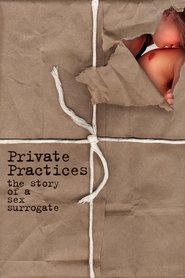
Private Practices: The Story of a Sex Surrogate
1986
star 4A documentary following a sex surrogate and two of her clients.The AIDS Show
1986
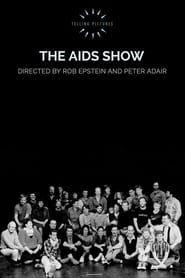
The AIDS Show
1986
star 2.7A recording of a play about the intangible impacts AIDS has on a community. This is a moving, beautifully photographed combination of theater and documentary that captures the incredible excitement of live theater and intensifies the power of the play's message.Blue Collar & Buddha
1986
Blue Collar & Buddha
1986
Exploration of prejudice and culture clash that a group of Laotian Buddhist refugees must endure in Rockford, Illinois.Ralph Erskine
1986
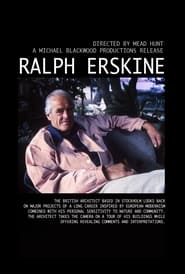
Ralph Erskine
1986
The British architect based in Stockholm looks back on major projects of a long career inspired by European Modernism combined with his personal sensitivity to nature and community. Erskine is especially valued for his vital understanding of social interaction, exemplified in commissions for universities and housing complexes built from Scandinavia to Italy. The architect takes the camera on a tour of his buildings while offering revealing comments and interpretations.Marilyn Monroe: Beyond the Legend
1986
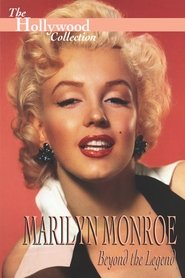
star 7.5Her story is well-known — the lonely child who yearned for affection and approval which she finally seemed to find as Hollywood's greatest love goddess. But even though she scaled heights few could even dream of, she was one of the loneliest of stars.Forest of Bliss
1986
Forest of Bliss
1986
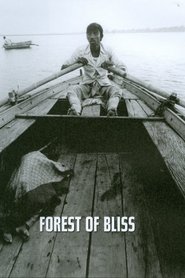
star 6.5Forest of Bliss is an unsparing yet redemptive account of the inevitable griefs, religious passions and frequent happinesses that punctuate daily life in Benares, India's most holy city. The film unfolds from one sunrise to the next without commentary, subtitles or dialogue. It is an attempt to give the viewer a wholly authentic, though greatly magnified and concentrated, sense of participation in the experiences examined by the film.Ornette: Made in America
1986
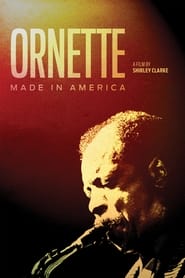
star 6.3Shirley Clarke's frenetic documentary about multi-talented musician Ornette Coleman.In Remembrance of Martin
1986
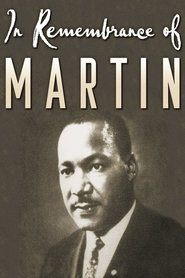
star 9Personal comments from family, friends, and advisors fill this remarkable documentary honoring Dr. Martin Luther King, Jr. Coretta Scott King joins the Reverend Ralph Abernathy, Julian Bond, Jimmy Carter, the Reverend Jesse Jackson, Senator Edward Kennedy, John Lewis, Bishop Desmond Tutu, and Andrew Young, who recall Dr. King's career and trace his leadership in the civil rights movement. Includes portions of his "I Have a Dream" speech.Wassily Kandinksky
1986
Wassily Kandinksky
1986
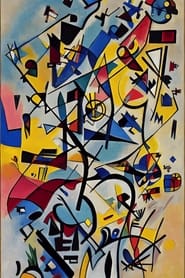
Colour, form, area – this is the formula of the greatest pioneer of abstract painting. Kandinsky came to art late in life, but his impact through Der Blaue Reiter (The Blue Rider) and Bauhaus paved the way for modern art. In 1913, he created one of the first abstract pictures, the theoretical basis of which was inspired by his essay Über das Geistige in der Kunst (On the Spiritual in Art). Accompanied by Mussorgsky’s Pictures From An Exhibition Labarthe goes on a sensual journey which makes the soul resound with colours and forms. "A picture has to resound and must be bathed in an inner glow." KandinskyRichard Meier
1986
Richard Meier
1986
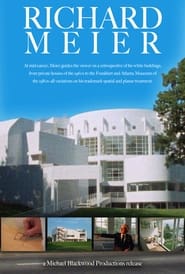
Meier guides the viewer on a retrospective of his white buildings, from private houses of the 1960s to the Frankfurt and Atlanta Museums of the 1980s--all variations on his trademark spatial and planar treatment. His influences from Corbusier, Wright, Mies, and Baroque Germany are shown. Clients and colleagues offer opinions.REALFilm
1986
REALFilm
1986
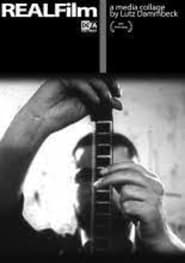
This multimedia collage, which includes performances by pantomime artist and dancer Fine Kwiatkowski, painter and filmmaker Lutz Dammbeck and musician Robert Linke, is a reflection on the medium of film and its elements: sound, light and movement. Dammbeck’s goal is to cleanse these elements of ideology and commerce and compose a new film out of them. The process is played out in the space in real time.The High Life
1986
The High Life
1986
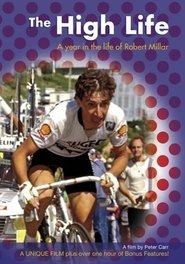
In 1984 Scottish cyclist Robert Millar created a stir by winning the King of the Mountains jersey and finishing fourth overall in the Tour de France. In this unique film made in 1985 with the eyes of the UK on him, the camera records his feelings about the year, his performance and morale within the team. With flashbacks to his stage win in 1984, mixed with 1985 footage of the Tour, Vuelta and Worlds, the bike fan is treated to a behind the scenes view of life in the Peugeot team. Interviews with Millar and team mate Alan Peiper give a insight into bike racing politics at the time. Enjoy seeing some of the greats of the eighties: Kelly, LeMond, Roche, Hinault, Delgado, Yates and many more.The Blooms of Banjeli
1986
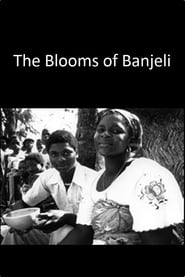
The Blooms of Banjeli documents research in Banjeli, Togo on iron-smelting technology, its rituals, and the sexual prohibitions surrounding it. Including rare historical footage from the same village in 1914, it provides a unique technological record of the traditional method of preparing a furnace to smelt iron. This documentary offers an interesting approach to our understanding of the relationship between conceptions of gender and technology in traditional African society. The people of Banjeli liken the furnace to a woman's body, which is 'impregnated' by the smelter. The process of smelting is compared to that of giving birth, the furnace being the womb and the iron bloom, the newborn.Final Offer
1985
Final Offer
1985
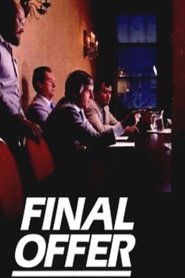
The filmmakers were given remarkable freedom to record the historic 1984 contract negotiations between the United Auto Workers and General Motors Corporation. Bob White, labour leader of the Canadian branch of the UAW, must also confront his American counterpart from Detroit and succeeds in arriving at a contract that is significantly Canadian. His members had already given him a mandate to fight for independence from the American union. This is an invaluable document for anyone interested in the complexities of United States-Canada relations. It's an extraordinary film about revolutionary events.Sherman's March
1985
Sherman's March
1985
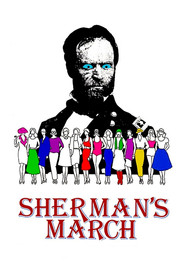
star 6.8Ross McElwee sets out to make a documentary about the lingering effects of General Sherman's march of destruction through the South during the Civil War, but is continually sidetracked by women who come and go in his life, his recurring dreams of nuclear holocaust, and Burt Reynolds.You Got to Move
1985
You Got to Move
1985
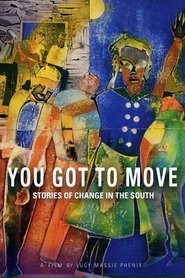
star 7A documentary that follows people from communities in the Southern United States in their various processes of becoming involved in social change, with special emphasis on the work theThe Statue of Liberty
1985
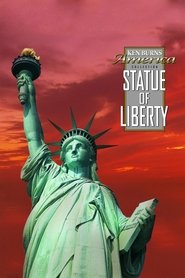
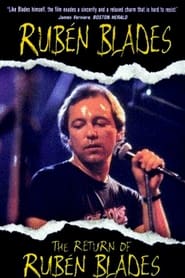
star 6.7For more than 100 years, the Statue of Liberty has been a symbol of hope and refuge for generations of immigrants. In this lyrical, compelling and provocative portrait of the statue, Ken Burns explores both the history of America’s premier symbol and the meaning of liberty itself. Featuring rare archival photographs, paintings and drawings, readings from actual diaries, letters and newspapers of the day, the fascinating story of this universally admired monument is told. In interviews with Americans from all walks of life, including former New York governor Mario Cuomo, the late congresswoman Barbara Jordan and the late writers James Baldwin and Jerzy Kosinski, The Statue of Liberty examines the nature of liberty and the significance of the statue to American life. Nominated for both the Academy Award ® and the Emmy Award ®, The Statue of Liberty received the prestigious CINE Golden Eagle, the Christopher Award and the Blue Ribbon at the American Film Festival.The Return of Rubén Blades
1985
Robert Mugge's 1986 film provides a full-blooded portrait of the Latino singer, actor, bandleader, and composer. Blades' Panama homeland, his Harvard Master's degree, and a New York performance with his band Seis de Solar all serve as stops on this biographical journey.Loving Krishna
1985
Loving Krishna
1985
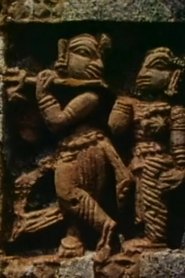
star 10Loving Krishna is about the worship of Krishna and the meaning of devotion. It explores the rural and urban character of the town of Vishnapur in West Bengal by examining the royal past, everyday life, work in traditional arts and crafts, bazaar exchange, and sacred rituals and festivals. Public and private devotional life is represented by detailed visual narratives of the Chariot Journey of Krishna, celebrated by the whole town, and the Birthday Festival commemorated on a much smaller scale of intimate family worship.