New Documentary Movies on Kanopy - Page 293
All Services
Free Services
 Netflix
 Amazon Prime Video
 Apple iTunes
 Apple TV Plus
 Disney Plus
 Google Play Movies
 Paramount Plus
 Hulu
Hulu
 HBO Max
 YouTube
 fuboTV
 Peacock
 Peacock Premium
 Amazon Video
 The Roku Channel
 AMC+
AMC on Demand
AMC+
AMC on Demand
 Kocowa
 Hoopla
 The CW
 Vudu
Vudu
 Starz
Starz
 Showtime
 PBS
PBS
 Pantaflix
 FXNow
FXNow
 Tubi TV
 Kanopy
 Comedy Central
 Crunchyroll
 Microsoft Store
 Redbox
 Sun Nxt
 ABC
ABC
 DIRECTV
 Crackle
 Fandor
 Plex
Plex
Netflix
Amazon Prime Video
Apple iTunes
Apple TV Plus
Disney Plus
Google Play Movies
Paramount Plus
Hulu
HBO Max
YouTube
fuboTV
Peacock
Peacock Premium
Amazon Video
The Roku Channel
AMC+
AMC on Demand
Kocowa
Hoopla
The CW
Vudu
Starz
Showtime
PBS
Pantaflix
FXNow
Tubi TV
Kanopy
Comedy Central
Crunchyroll
Microsoft Store
Redbox
Sun Nxt
ABC
DIRECTV
Crackle
Fandor
Plex

Yvonne Jacquette: Autumn Expansion
1985
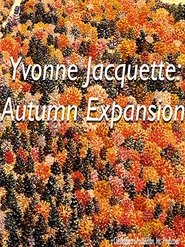
Yvonne Jacquette: Autumn Expansion, filmed in 1981, explores the artist's creative process as she creates a triptych that is approximately 26 feet wide, commissioned by the General Services Administration for the Federal Building and Post Office in Bangor, Maine.Amir: An Afghan Refugee Musician's Life in Peshawar, Pakistan
1985
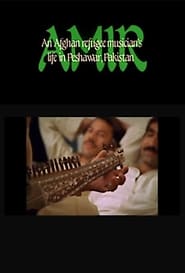
Amir, shot during the height of the Afghan civil war in the 1980s, investigates and portrays the life of Afghan refugees living in and around the city of Peshawar in northern Pakistan through the experiences of the musician Amir. The aspirations of Afghan refugees are expressed through their political songs dealing with the civil war in Afghanistan, with exile, with Afghan nationalism and with the Islamic revolution. In highly charged and tragic circumstances, music can be used in very direct ways, both to promote solidarity and as an agent of catharsis.Living At Risk
1985
Living At Risk
1985
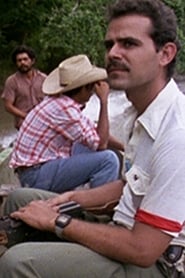
Originally broadcast on PBS, the film features the Barrios, a middle-class family both activated and fractured by the conflict. Instead of fleeing their country, the siblings are guided by a religious and socialist desire to help those most vulnerable and destitute, mostly peasants in the rural areas.The Women's Olamal: The Organisation of a Maasai Fertility Ceremony
1985
star 5A documentary investigating the events leading up to a fertility ceremony of the Maasai women in Loita, Kenya.Sons of Shiva
1985
Sons of Shiva
1985
Sons of Shiva is a sustained attempt to film a four-day ceremony concerned with the worship of Shiva. Devotees of the God Shiva are shown from the initial taking of the Sacred Thread through gradually intensifying action to a culmination in a variety of ascetic and self denying practices.Francis Bacon and the Brutality of Fact
1984
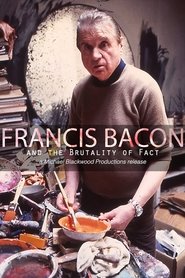
In his London studio, Francis Bacon discusses his work and approach with David Sylvester. His representations of the human figure in portraits and triptychs link him to the distorted realism of Van Gogh and Picasso, who also portrayed the intensity of life that Bacon calls “the brutality of fact.”Choosing Children
1984
Choosing Children
1984
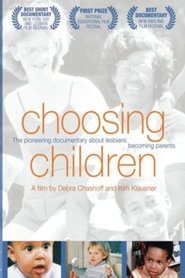
star 1CHOOSING CHILDREN is a pioneering film about parenting in non-traditional families and helped to open dialogue about the meaning and reality of the "modern family." This film takes an intimate look at the issues faced by lesbians and gay men who decide to become parents after coming out.Ballad of the Little Soldier
1984
star 6.4A group of Miskito Indians use Nicaraguan child soldiers in their resistance against the Sandinistas.Witness to Revolution: The Story of Anna Louise Strong
1984
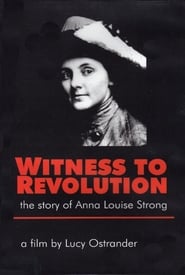
The daughter of a Nebraska minister, Anna Louise Strong earned a Ph.D. in philosophy at the University of Chicago. But it was in the Pacific Northwest, where she witnessed the 1916 Everett massacre and chronicled the 1919 Seattle General Strike, that her political vision took shape. In Moscow she helped found the first English language newspaper, in Spain her many visits resulted in her book, Spain in Arms; and in China she interviewed Mao in a Yan'an cave in 1946. She is buried in Beijing in a special cemetery for martyrs of the revolution.Marlene
1984
America and Lewis Hine
1984
star 6Documentary about early 20th-century photographer Lewis Hine, who helped to expose grim working conditions in American factories and mines, especially the abuse and exploitation of children by their employers. Later, he became the official photographer for the construction of the Empire State Building.Before Stonewall
1984
Before Stonewall
1984
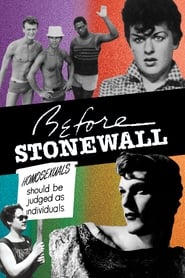
star 6.5New York City's Stonewall Inn is regarded by many as the site of gay and lesbian liberation since it was at this bar that drag queens fought back against police June 27-28, 1969. This documentary uses extensive archival film, movie clips and personal recollections to construct an audiovisual history of the gay community before the Stonewall riots.The Business of America
1984
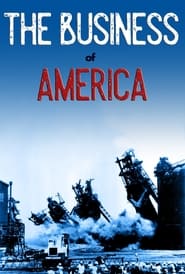
An exploration of supply side economics and the trickle down myth as exemplified by Pittsburgh's declining steel industry.Kaddish
1984
Kaddish
1984
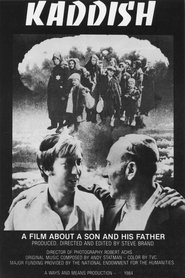
From an early age Yossi Klein received a special education. He was prepared for another Holocaust. So were other children in Boro Park, the largest Orthodox survivor community in America, and this candid portrait of a young Jewish activist coming to terms with his father's traumatic history is as bracing as any fiction. Through his writing and activism, Yossi attempts to carry on the legacy of struggle passed on to him. A portrait emerges of a young man whose world view and personal outlook have been principally shaped by an event that took place before he was born.Ten Years in an Open Necked Shirt
1984
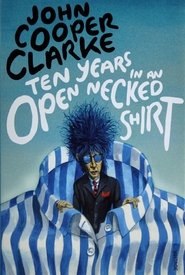
A portrait of Salford-born poet, storyteller and comic, John Cooper-Clarke. His poems, a satirical blend of humour and social comment, are delivered at a fast pace, often with musical backing. His style, and that of his contemporary Linton Kwesi Johnson, have influenced a generation of younger poets involved in a revival of popular poetry in Britain.Dietrich Bonhoeffer: Memories and Perspectives
1984
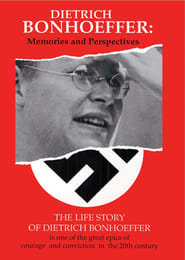
This video follows the life of the martyred theologian as vividly recalled by those closest to him: his friends, family, and students. Included are Bonhoeffer family photographs that have never been shown before.Nisei Soldier: Standard Bearer for an Exiled People
1984
Nisei Soldier focuses on the heroism of American men of Japanese ancestry who fought bravely during World War II, despite the intense moral dilemmas they faced. Leaving their families imprisoned in "relocation centers", many young Nisei (second generation American-born Japanese) proved their loyalty in WWII by enlisting in the all-Japanese American 442nd Infantry Regiment which fought in Europe. Because of the Regiment's incredible bravery in battle, liberation of French towns, and high casualty rate, it became the most decorated unit in U.S. military history. The film asks: What sustained these young men forced to battle on two fronts at once -- against fascism abroad and intense prejudice at home? More than a war story, Nisei Soldier is a tale about personal honor, family loyalty and love of country -- and what it means to be an American.Style Wars
1984
Style Wars
1984
star 7.4Tony Silver and Henry Chalfant's PBS documentary tracks the rise and fall of subway graffiti in New York in the late 1970s and early 1980s.Zydeco
1984
Zydeco
1984
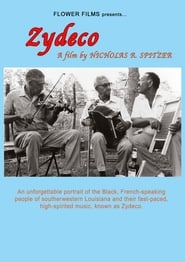
Shot on location in rural Southwestern Louisiana, Zydeco combines cinema verite style footage, interviews and musical performance to present a colorful, joyful portrait of the zydeco musicians in their culture. Featuring Dolon Carriere, Armand Ardoin, and Alphonse "Bois Sec" Ardoin. A film by Nicholas R. Spitzer. Color, 57 minutes.A New Spirit in Painting: 6 Painters of the 1980's
1984
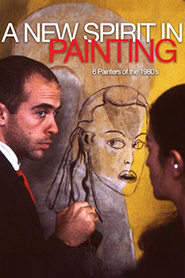
Explores the paths being forged by six modern artists, giving us rare insight into the minds behind this rousing new wave of painting.