New Documentary Movies on Kanopy - Page 289
All Services
Free Services
 Netflix
 Amazon Prime Video
 Apple iTunes
 Apple TV Plus
 Disney Plus
 Google Play Movies
 Paramount Plus
 Hulu
Hulu
 HBO Max
 YouTube
 fuboTV
 Peacock
 Peacock Premium
 Amazon Video
 The Roku Channel
 AMC+
AMC on Demand
AMC+
AMC on Demand
 Kocowa
 Hoopla
 The CW
 Vudu
Vudu
 Starz
Starz
 Showtime
 PBS
PBS
 Pantaflix
 FXNow
FXNow
 Tubi TV
 Kanopy
 Comedy Central
 Crunchyroll
 Microsoft Store
 Redbox
 Sun Nxt
 ABC
ABC
 DIRECTV
 Crackle
 Fandor
 Plex
Plex
Netflix
Amazon Prime Video
Apple iTunes
Apple TV Plus
Disney Plus
Google Play Movies
Paramount Plus
Hulu
HBO Max
YouTube
fuboTV
Peacock
Peacock Premium
Amazon Video
The Roku Channel
AMC+
AMC on Demand
Kocowa
Hoopla
The CW
Vudu
Starz
Showtime
PBS
Pantaflix
FXNow
Tubi TV
Kanopy
Comedy Central
Crunchyroll
Microsoft Store
Redbox
Sun Nxt
ABC
DIRECTV
Crackle
Fandor
Plex

Horst
1988
Horst
1988
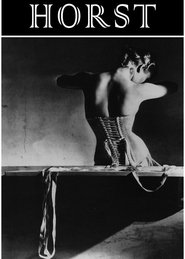
We enter the life of Horst, and see the world of fashion photography evolve from the 1930s to the 1980s through his work and stories.Collision Course: Labor Management Relations in America
1988
This film traces the dramatic rise and fall of workplace cooperation at Eastern Airlines. In so doing, the film uncovers the deep-seated assumptions which underlie our culture of industrial relations and prevent us from breaking out of our industrial impasse.The Tree of Iron
1988
The Tree of Iron
1988
This is one of the few films to document archaeological work on ancient civilizations in Africa. It also deals with an important subject, African iron smelting, and presents convincing evidence for early indigenous technologies far more complex than previously expected. The Tree of Iron is set in Tanzania, East Africa, on the western shores of Lake Victoria, where Haya people have lived for centuries.The Reindeer Thief
1988
The Reindeer Thief
1988
Like many St. Lawrence Island legends, this story is set in Siberia where Chukchi, the Reindeer People, live. Pelaasi, an elder from Gambell, speaks Siberian Yupik. His mythical story, about a man who goes out in search of a reindeer thief is an ungipaghaq, a tale that has been passed down unchanged through generations and believed to be based in truth.The Feast in Dream Village
1988
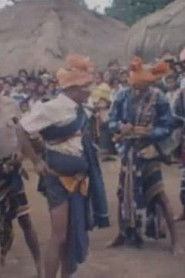
The eastern Indonesian island of Sumba is the last island in the Malay archipelago where the majority of the people still follow their ancestral religion, called marapu. This film, shot in 1986, focuses on a challenge to the authority of the spirits and ancestors in a village ritual to restore fertility after a fire and famine. Narrated by the priests who communicate with the spirits in prayers and sacrifices, it documents a week of offerings, dancing and oratory in "Dream Village" in the western Kodi district. The name comes from a dream of prosperity the village founder once had, and dreams are also the ways in which priests are called to serve the spirits.Spear and Sword - A Payment of Bridewealth on the Island of Roti, Eastern Indonesia
1988
This traditionally ethnographic sequence film focuses on the negotiations betwen representatives of two families during a payment of bridewealth. In the past the husband's group would carry a spear and a sword to hang in the wife's house. Now, a payment is made as a substitute for the spear and sword. The payment of bridewealth is a long and complex ceremony in which representatives from the husband and wife's family engage in a heated negotiation process. The bride and groom are completely excluded from the negotiations and never appear in the film.The Goddess and the Computer
1988
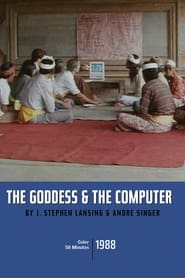
For centuries, rice farmers on the island of Bali have taken great care not to offend Dewi Danu, the water goddess who dwells in the crater lake near the peak of Batur volcano. Through an analysis of ritual, resource management practices (planting schedules, irrigation vs. conservation, etc) and social organization, anthropologist Steve Lansing and ecologist James Kremer discover the intricacy and sustainability of this ancient water management agricultural system.Art With a Message: Protest, Propaganda, Satire and Social Comment
1988
This program investigates the ways various art forms are used to sway minds and to argue political causes. Examples include Napoleon and Hitler; artist such as Daumier, Hogarth and Shann; writers Dickens, Swift and Orwell; and pop artists who mock popular ideals.Tadao Ando
1988
Tadao Ando
1988
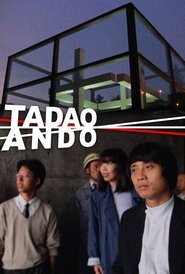
Tadao Ando, a self-taught architect, proposes an international architecture that he believes can only be conceived by someone Japanese. His architecture mixes Piranesian drama with contemplative spaces in urban complexes, residences and chapels. This film presents the formative years of his impressive career before he embarked on projects in Europe and the United States.The Days of the Dead
1988
The Days of the Dead
1988
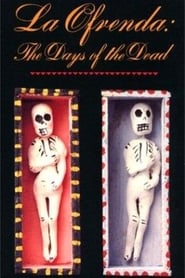
A documentary exploring the varying cultural practices of the Day of the Dead in both Mexico and Chicano/a communities in the United States.Beauty Queens: Helena Rubinstein
1988
Helena Rubinstein is rightly seen as one of the pioneers of a market worth millions - the female beauty market. Born in Krakow, Rubinstein started her career in the early years of the twentieth century in Australia, from where she quickly went on to conquer Europe and the United States. What began with twelve jars of her mother's beauty cream was to develop into a company with 100 branches in 14 countries and a workforce of 30,000 employees.Legacy of the Hollywood Blacklist
1987
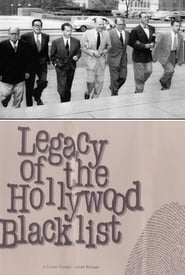
star 6.5This one-hour film, narrated by Actor BURT LANCASTER, explores the lingering effects of The Hollywood Blacklist, which occurred in the late forties and early fifties as part of the Anti-Communist witch-hunts that terrorized the nation. This film is seen through the eyes of the wives and children of the now deceased Hollywood figures whose careers were destroyed when studio bosses, along with guild and union officials capitulated to the demands of the House Un-American Activities Committee.Signed: Lino Brocka
1987
Signed: Lino Brocka
1987
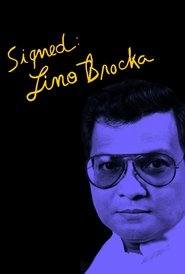
star 3.8Documentary filmmaker Christian Blackwood profiles controversial Filipino director Lino Brocka, detailing his rags-to-riches rise in the mainstream film industry of the Philippines. Primarily using interviews with the effusive director himself, Blackwood allows Brocka to describe, in his own terms, the common thematic threads tying together his work, from his own homosexuality to the political repression suffered by Filipinos at the hands of Ferdinand Marcos' dictatorial government.Huey Lewis and the News: Before!
1987
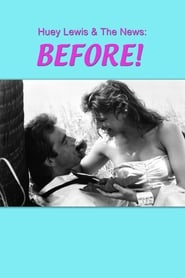
star 5Huey Lewis And The News: BEFORE! follows one of the world’s top rock-and-roll bands of the 80’s and a crew of fifty technicians to the Bahamas for the making of a music video for their number one hit single, “Stuck With You” for their album, “FORE!” Blank takes us behind the scenes for an off-beat look at what happens when a song is transformed into visuals and musicians are transformed into actors. Hidden in the straightforward reportage are sly comments on the MTV machine, sexism in the media, and the business of rock-and-roll. Best of all, Huey Lewis and the News maintain their sense of humor even when absurdity threatens to overwhelm them.Živeli! Medicine for the Heart
1987
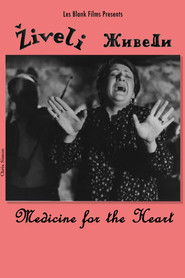
This little-known Blank gem is a portrait of the Serbian-American communities of Chicago and California, highlighting their history in this country, their music, dancing, and religion.American Tongues
1987
American Tongues
1987
star 7Rich in humor and regional color, this sometimes hilarious film uses the prism of language to reveal our attitudes about the way other people speak. From Boston Brahmins to Black Louisiana teenagers, from Texas cowboys to New York professionals, American Tongues elicits funny, perceptive, sometimes shocking, and always telling comments on American English in all its diversity. (PBS)El misterio Eva Perón
1987
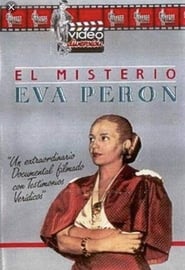
star 2This is a montage documentary that includes the one made in color about Eva Perón's funeral by Edward Cromgraje at the request of the Perón government, entitled And Argentina Stopped Its Heart.Grace Kelly: The American Princess
1987
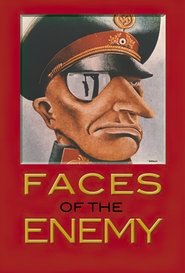
star 6.5A biography of American actress Grace Kelly from her early days as an aspiring actress to her death as Princess of Monaco.Faces of the Enemy: Justifying the Inhumanity of War
1987
Faces of the Enemy follows social psychologist Sam Keen as he investigates how people dehumanize their enemies. Based on the book of the same name.Link-Up Diary
1987
Link-Up Diary
1987
star 2.5An extraordinary personal journey into the experience of being black in a powerful white society. "Link-up Diary" is a film about the consequences of New South Wales long term practice of taking Aboriginal children away from their parents and raising them in "white" environments. In following the reunification, after many years, of several families in Sydney, during one week of 1986, the filmmaker adopts a diary format which does not attempt to disguise awareness of the camera's presence. This awareness becomes part of the film's subject.