New Documentary Movies on Kanopy - Page 297
All Services
Free Services
 Netflix
 Amazon Prime Video
 Apple iTunes
 Apple TV Plus
 Disney Plus
 Google Play Movies
 Paramount Plus
 Hulu
Hulu
 HBO Max
 YouTube
 fuboTV
 Peacock
 Peacock Premium
 Amazon Video
 The Roku Channel
 AMC+
AMC on Demand
AMC+
AMC on Demand
 Kocowa
 Hoopla
 The CW
 Vudu
Vudu
 Starz
Starz
 Showtime
 PBS
PBS
 Pantaflix
 FXNow
FXNow
 Tubi TV
 Kanopy
 Comedy Central
 Crunchyroll
 Microsoft Store
 Redbox
 Sun Nxt
 ABC
ABC
 DIRECTV
 Crackle
 Fandor
 Plex
Plex
Netflix
Amazon Prime Video
Apple iTunes
Apple TV Plus
Disney Plus
Google Play Movies
Paramount Plus
Hulu
HBO Max
YouTube
fuboTV
Peacock
Peacock Premium
Amazon Video
The Roku Channel
AMC+
AMC on Demand
Kocowa
Hoopla
The CW
Vudu
Starz
Showtime
PBS
Pantaflix
FXNow
Tubi TV
Kanopy
Comedy Central
Crunchyroll
Microsoft Store
Redbox
Sun Nxt
ABC
DIRECTV
Crackle
Fandor
Plex

Frida Kahlo
1982
Frida Kahlo
1982
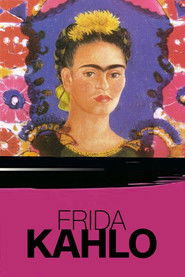
star 1Frida Kahlo: declared a symbol of Mexican national heritage, made into a cult figure by the women's movement, praised by the likes of Picasso and Breton, this film uses images and music to reveal the soul of an icon.Philip Guston: A Life Lived
1982
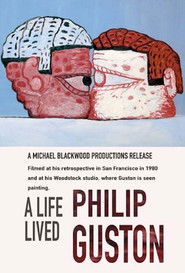
Late in life, the artist looks back over a career that originated in social realism during the '30s, moved to the center of Abstract Expressionism, and culminated in a return to figuration. Filmed at his retrospective in San Francisco in 1980 and at his Woodstock studio, where Guston is seen painting, the artist speaks candidly about his philosophy of painting and the psychological motivation for his work.Fela Kuti: Music Is the Weapon
1982
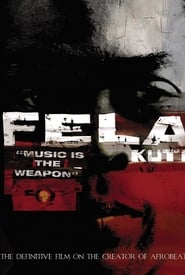
star 6.2Musician Fela Anikulapo Kuti recorded more than 60 albums to promote the magic of Afrobeat but never lost his political voice as an outspoken critic against widespread government corruption in Nigeria. This documentary examines the role that Fela, dubbed "Black President," played in shedding light on atrocities in his homeland and in promoting the ascent of African music worldwide.Stoney Knows How
1981
Stoney Knows How
1981
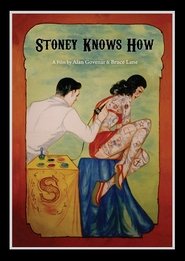
star 5A visit with a master of the Oldest Art In The World: tattooing. Disabled by arthritis since the age of four, confined to a wheelchair, his growth stunted, Stoney St. Clair joined the circus at 15 as a sword swallower. A year later he took up tattooing, and traveled with circuses and carnivals for fifty years practicing his craft. As we watch him at work, we see the determination which led Stoney to use his crippled hands in an art where mistakes are permanent, and we realize Stoney has overcome his handicap to heal himself and others with the magic of symbols. The film ends with a visit by New Age tattoo master Don Ed Hardy, who receives a permanent souvenir by Old School tattoo master Stoney.Brooklyn Bridge
1981
Brooklyn Bridge
1981
star 7.6Today it's a symbol of strength and vitality. 135 years ago, it was a source of controversy. This documentary examines the great problems and ingenious solutions that marked the construction of the Brooklyn Bridge. From conception to construction, it traces the bridge's transformation from a spectacular feat of heroic engineering to an honored symbol in American culture.Urgh! A Music War
1981
Urgh! A Music War
1981
star 7.3Urgh! A Music War is a British film released in 1982 featuring performances by punk rock, new wave, and post-punk acts, filmed in 1980. Among the artists featured in the movie are Orchestral Manoeuvres in the Dark (OMD), Magazine, The Go-Go's, Toyah Willcox, The Fleshtones, Joan Jett & the Blackhearts, X, XTC, Devo, The Cramps, Oingo Boingo, Dead Kennedys, Gary Numan, Klaus Nomi, Wall of Voodoo, Pere Ubu, Steel Pulse, Surf Punks, 999, UB40, Echo & the Bunnymen and The Police. These were many of the most popular groups on the New Wave scene; in keeping with the spirit of the scene, the film also features several less famous acts, and one completely obscure group, Invisible Sex, in what appears to be their only public performance.Collum Calling Canberra
1981
Gordon Smith, head of the Collum Collum Aboriginal Co-operative which operates a cattle station in northern New South Wales, and Sunny Bancroft, the station manager, are negotiating with the Aboriginal Development Corporation in Canberra for a loan. Finance is needed to stock the property with breeding cattle so that the station can become financially independent.Vernon, Florida
1981
Vernon, Florida
1981
star 6.7Early Errol Morris documentary intersplices random chatter he captured on film of the genuinely eccentric residents of Vernon, Florida. A few examples? The preacher giving a sermon on the definition of the word "Therefore," and the obsessive turkey hunter who speaks reverentially of the "gobblers" he likes to track down and kill.We Were German Jews
1981
We Were German Jews
1981
In 1943 Herbert and Lotte Strauss made the courageous decision to escape from Germany and almost certain extermination in a Nazi concentration camp. This is a personal account of their dramatic flight, building a new life in the United States, and coming to terms with the Holocaust. "We Were German Jews" grapples with the torment of living with the legacy of the Holocaust. The film chronicles Herbert and Lotte Strauss' return visit to Germany. They were not trying to assuage any sense of guilt over having survived; they wanted to confront the past by going back to where they had lived before the onslaught that claimed most of their relatives. This understated, very personal story adds significantly to the body of evidence that explores human behavior in the face of genocide and insists that we remember the past and learn from it.Edith Head
1981
Edith Head
1981
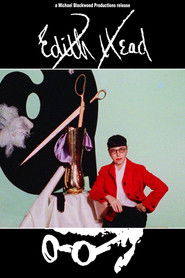
A light-hearted, toe-tapping portrait of the well-known 8 Oscar winning Hollywood costume designer filmed in her opulent house and garden. Edith Head presents some of her famous designs using glamorous models to impersonate Mae West, Barbara Stanwyck, Dorothy Lamour, Ginger Rogers, Audrey Hepburn, Elizabeth Taylor and Grace Kelly. They move to the music of the films for which she was the designer as Head recalls the times and places that served as inspiration for the famed looks.Stations of the Elevated
1981
star 7.4Stations of the Elevated exposes viewers to an underground art scene- that is, one found exclusively on the sides of subways and train cars. A moving portrait of late-70's NYC, the film boasts a soundtrack by jazz legends Charles Mingus & Aretha Franklin.The Animals Film
1981
The Animals Film
1981
star 9The film offers a comprehensive examination of the exploitation of animals in modern society.The Last to Know
1981
The Last to Know
1981
Via New Day Films: "Nearly one half of the estimated ten million alcoholics in the country are women, yet their special problems are totally ignored. Concealed by families, protected by friends and physicians, these women are kept invisible. They themselves are often The Last to Know. This extraordinary film speaks directly to these women by sensitively focusing on four intimate stories and shows how the medical community, the media and the values of society at large actually perpetuate alcoholism and prescription drug abuse in women."Model
1981
Model
1981
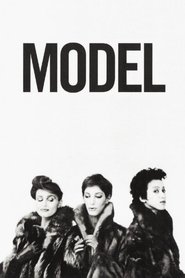
star 6.1MODEL shows male and female models at work on TV commercials, fashion shows, magazine covers, and advertising for a variety of products, including designer collections, fur coats, sports clothes and automobiles. The models are seen at work with photographers whose techniques illustrate different styles of fashion and product photography. The business aspect of running an agency is also shown: interviewing prospective models, career counseling, arranging portfolios, talking with clients, and planning trips. The film presents a view of the intersections of fashion, business, advertising, photography, television and fantasy.Imagine the Sound
1981
Imagine the Sound
1981
star 6.6An examination, shown through both interviews and performances, of the avant-garde free jazz movement which reigned during the 1960s.The New Deal for Artists
1981
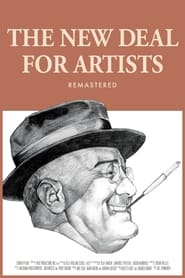
The Arts Project of the Work Projects Administration (1935-1942) was a USA government agency established to support writers, theater people, painters, sculptors, and photographers.The Decline of Western Civilization
1981
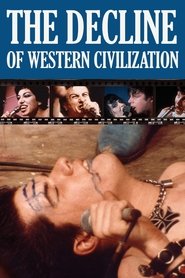
star 7.1The Los Angeles punk music scene circa 1980 is the focus of this film. With Alice Bag Band, Black Flag, Catholic Discipline, Circle Jerks, Fear, Germs, and X.Backs to the Blast: An Australian Nuclear Story
1981
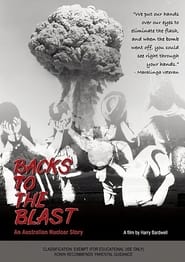
A document of Australia's nuclear industrial history, from uranium mining and its toxic legacy to the nuclear weapons tests conducted at Maralinga in South Australia.The Willmar 8
1981
The Willmar 8
1981
star 6Risking jobs, friends, family and the opposition of church and community, eight unassuming women begin the longest bank strike in American history.There Was Always Sun Shining Someplace: Life in the Negro Baseball Leagues
1981
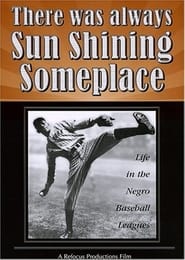
Chronicles the history of Negro Leagues baseball by using rare historical footage and interviews with black baseball greats.