New Documentary Movies on Kanopy - Page 300
All Services
Free Services
 Netflix
 Amazon Prime Video
 Apple iTunes
 Apple TV Plus
 Disney Plus
 Google Play Movies
 Paramount Plus
 Hulu
Hulu
 HBO Max
 YouTube
 fuboTV
 Peacock
 Peacock Premium
 Amazon Video
 The Roku Channel
 AMC+
AMC on Demand
AMC+
AMC on Demand
 Kocowa
 Hoopla
 The CW
 Vudu
Vudu
 Starz
Starz
 Showtime
 PBS
PBS
 Pantaflix
 FXNow
FXNow
 Tubi TV
 Kanopy
 Comedy Central
 Crunchyroll
 Microsoft Store
 Redbox
 Sun Nxt
 ABC
ABC
 DIRECTV
 Crackle
 Fandor
 Plex
Plex
Netflix
Amazon Prime Video
Apple iTunes
Apple TV Plus
Disney Plus
Google Play Movies
Paramount Plus
Hulu
HBO Max
YouTube
fuboTV
Peacock
Peacock Premium
Amazon Video
The Roku Channel
AMC+
AMC on Demand
Kocowa
Hoopla
The CW
Vudu
Starz
Showtime
PBS
Pantaflix
FXNow
Tubi TV
Kanopy
Comedy Central
Crunchyroll
Microsoft Store
Redbox
Sun Nxt
ABC
DIRECTV
Crackle
Fandor
Plex

Root Hog or Die
1978
Root Hog or Die
1978
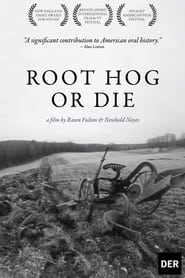
Root Hog or Die is a portrait of a living remnant of this once pervasive but rapidly vanishing way of life. Filmed in 1973 in hilltowns across Western Massachusetts and Southern Vermont, it follows the cycle of the farming year from spring to winter. In its course we visit with an array of elders, who reflect on farming's deep natural patterns, share their family histories and personal memories, and ponder the inevitable forces of technological and social change they have endured. The bittersweet nature of their challenges is manifest, as is the quiet pride they take in their lives as farmers.Sweet Sorghum
1978
Sweet Sorghum
1978
In Sweet Sorghum we are introduced to the filmmaker's daughter, Rosie, (now in her early twenties) as she reflects on her childhood spent among the Hamar herdsmen, an isolated people of southwestern Ethiopia. The film reveals the intimacy of shared family life and childhood relationships between the Hamar, Rosie and her brother. We learn about the important role sorghum plays in the Hamar diet, how the sorghum is harvested and the different ways it can be prepared. The practicality of the design of cooking utensils is shown.Via Dolorosa
1978
Via Dolorosa
1978
Every year, in the colonial city of Antigua, Guatemala, the "sorrowful way" of Good Friday is recreated by a path of colored sawdust and flower petals. Along this road several hundred people take turns carrying a ponderous mahoganybier.Theatre Girls
1978
Theatre Girls
1978
In her final piece at film school, Longinotto and her partner take us into the "Theatre Girls Club" in Soho, London–a hostel for elderly and destitute women and the only shelter in London that would take in any woman at any time. The filmmakers lived in the hostel for more than two months, establishing an extraordinary level of trust with their “cast” —from the home’s feisty cook to an elderly resident who was a terminal alcoholic. In what will later be recognized as a signature style, Longinotto films without judgement and finds the humor and humanity in situations and characters that might otherwise be seen as tragic. This stunning film debut earned awards at several European festivals and screened to acclaim in the US and Asia.The Red Bowmen
1978
The Red Bowmen
1978
star 5.5Every year, a ritual known as ida is performed by the Umeda people, who inhabit the dense primary forest of the Waina-Sawanda district of West Sepik, Papua New Guinea. Ida, the central social and cultural drama of the Umeda, is a fertility ritual, in which a dominant theme is the metamorphosis of the cassowaries. An ethnography by anthropologist Alfred Gell, Metamorphosis of the Cassowaries, complements the film.Controlling Interest
1978
Controlling Interest
1978
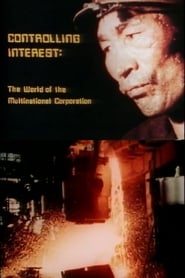
The first account on film of the growth of multinational corporations, their impact on people at home and abroad, and their influence on U.S. foreign policy. This is the film that helped kick-off the anti-globalization movement. Upon release, it quickly became a standard "audio-visual text" for those concerned about the growing impact of multinational corporations on global affairs. The film examines how the ever-increasing concentration and velocity of capital affect employment in the U.S., shape patterns of development in the Third World, and influence our nation's foreign policy.Walya Ngamardiki: The Land My Mother
1978
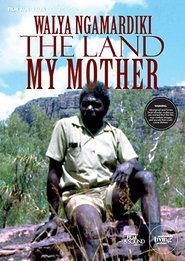
Exploring the relationship between Aboriginal people and their land (including the Dreaming, sacred places), this film was inspired by Silas Roberts’ submission to the 1976 Australian Government inquiry on uranium mining - the Ranger Uranium Environmental Inquiry. Silas, whose tribal name is Ngourladi, is an elder of the Allawa clan and was the first chairman of the Northern Land Council, established to assist Aboriginal people make land rights claims based on traditional ownership. The film, which moves from Arnhem Land in the north to Yuendumu in the centre, examines the importance of maintaining Aboriginal culture and laws and explains the reasons why they object to the mining being carried out.Reggae in a Babylon
1978
Reggae in a Babylon
1978
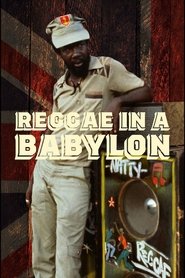
star 7The young, gifted and black generation of the '70s who started the British Reggae movement is captured in this unique documentary. Groove to the smooth sounds and see rare footage.How the Myth Was Made: A Study of Robert Flaherty's Man of Aran
1978
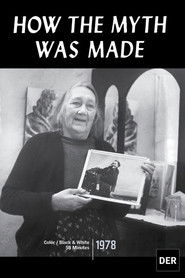
American documentary film-maker George C. Stoney visits the Aran Islands to try and unravel some of the myths surrounding a film that had engrossed him as a youngster - Robert Flaherty's famous documentary "Man of Aran" released in 1934.Children of Labor: A Finnish-American History
1977
How Finnish immigrants came into contact — and conflict — with industrial America. Three generations of Finnish-Americans recount how they coped with harsh realities by creating their own institutions: churches, temperance halls, socialist halls, and cooperatives.O Grande Circo Místico
1977
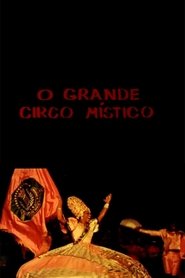
The world of Alagoas poet Jorge de Lima, author of unforgettable verses, is in O Grande Circo Místico, from 1977, directed by João Carlos Horta.Gay USA
1977
Gay USA
1977
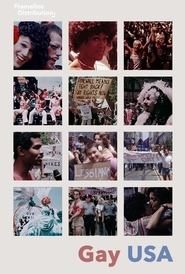
star 5.5Documentary about the gay rights movement during the year of 1977, capturing the intersections of diversity in queer life; from vox pop style interviews with lesbian feminists, street drag queens, and straight allies to taking a look at the fight against Anita Bryant and her notorious "Save Our Children" campaign.Hitler: A Career
1977
Hitler: A Career
1977
star 7.4A keen chronicle of the unlikely rise to power of Adolf Hitler (1889-1945) and a dissection of the Third Reich (1933-1945), but also an analysis of mass psychology and how the desperate crowd can be deceived and shepherded to the slaughterhouse.Canal Zone
1977
Canal Zone
1977
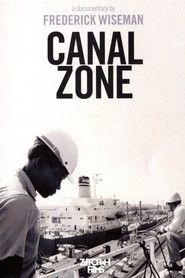
star 6.9CANAL ZONE is about the people who live and work in the Panama Canal Zone and shows both the operation of the Canal and the various governmental agencies — business, military, and civilian — related to the functioning of the Canal and the lives of the Americans in the zone. The film includes sequences of ships in transit, the work of special canal pilots, aspects of the civil government, work of the military, and the social, religious and recreational life of the Zonians.South Africa: The White Laager
1977
Explores the history of the Afrikaners and Afrikaner nationalism, and the development of apartheid and its relevance to South Africa's political situation today.Word Is Out: Stories of Some of Our Lives
1977
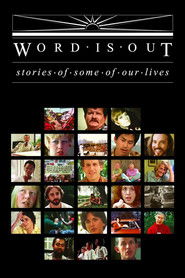
star 4.7More than two dozen men and women of various backgrounds, ages, and races talk to the camera about being gay or lesbian. Their stories are arranged in loose chronology: early years, fitting in (which for some meant marriage), coming out, establishing adult identities, and reflecting on how things have changed and how things should be.Pumping Iron
1977
Pumping Iron
1977
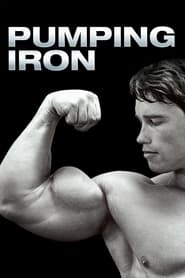
star 7.1Amateur and professional bodybuilders prepare for the 1975 Mr. Olympia and Mr. Universe contests as five-time champion Arnold Schwarzenegger defends his Mr. Olympia title against Serge Nubret and the shy young Lou Ferrigno.Yucatec Maya Deaf Sign
1977
In 1976, Hubert Smith set out with a group of researchers to visually document Yucatec Maya society within the village of Chican. This project resulted in the 4-part series, The Living Maya. During filming, however, it was impossible to ignore the use of sign language in the village. Smith and his team saw a lot of the deaf residents, filmed them often, and went back to have these sign exchanges translated. Now it is time to share a story solely about them.A Walbiri Fire Ceremony: Ngatjakula
1977
star 10Originally filmed as an archival record of a Warlpiri (Walbiri) ceremony in 1967 by Roger Sandall, the film footage was re-worked 10 years later by anthropologist Nicolas Peterson and filmmaker, Kim McKenzie, to make this short version for public viewing. Involving large numbers of both men and women, Ngatjakula is one of the most spectacular ceremonies of central Australia, employing fire, and several days of singing and dance, to resolve conflicts and re-affirm social order among the Warlpiri (Walbiri) people. One of Sandall’s many films about ceremonial life, including several of Warlpiri rituals, the film was part of the program of the Australian Institute of Aboriginal Studies to record traditional aspects of Aboriginal life and culture. McKenzie’s collaboration with Peterson (who had been present at the time of the original filming) to edit this public version, is a meticulous representation of the fire ceremony, much of which took place at night.Good-bye Old Man
1977
Good-bye Old Man
1977
At the request of a dying Tiwi man and his family on Melville Island, this film was made of the pukumani (bereavement) ceremony to follow his death. The film observes the family through the long period of preparation for the ceremony, following age-old traditions. Dancing and face-painting are rehearsed, to the family’s satisfaction, and because “things should be right for this film”. For the two days of ceremony, the community moves to Carslake Beach where a smoking ritual is held to protect the participants from spirits. The cemetery poles are erected, traditional dances are performed along with personal dances by family members. Facial and body decoration is elaborate and spectacular. After saying a final farewell to the old man, the community and the family leave the Beach and return to the village where routine life resumes.