Popular Documentary Movies on Kanopy - Page 291
All Services
Free Services
 Netflix
 Amazon Prime Video
 Apple iTunes
 Apple TV Plus
 Disney Plus
 Google Play Movies
 Paramount Plus
 Hulu
Hulu
 HBO Max
 YouTube
 fuboTV
 Peacock
 Peacock Premium
 Amazon Video
 The Roku Channel
 AMC+
AMC on Demand
AMC+
AMC on Demand
 Kocowa
 Hoopla
 The CW
 Vudu
Vudu
 Starz
Starz
 Showtime
 PBS
PBS
 Pantaflix
 FXNow
FXNow
 Tubi TV
 Kanopy
 Comedy Central
 Crunchyroll
 Microsoft Store
 Redbox
 Sun Nxt
 ABC
ABC
 DIRECTV
 Crackle
 Fandor
 Plex
Plex
Netflix
Amazon Prime Video
Apple iTunes
Apple TV Plus
Disney Plus
Google Play Movies
Paramount Plus
Hulu
HBO Max
YouTube
fuboTV
Peacock
Peacock Premium
Amazon Video
The Roku Channel
AMC+
AMC on Demand
Kocowa
Hoopla
The CW
Vudu
Starz
Showtime
PBS
Pantaflix
FXNow
Tubi TV
Kanopy
Comedy Central
Crunchyroll
Microsoft Store
Redbox
Sun Nxt
ABC
DIRECTV
Crackle
Fandor
Plex

Where the Water Starts
2021
After seeing the destruction of the fragile alpine ecology of Australia's Snowy Mountains first hand, Richard Swain decides to speak out. Hard hoofed animals are trampling and endangering the headwaters of three iconic rivers.Rare Chicken Rescue
2008
Rare Chicken Rescue
2008
After a long battle with depression, Queensland rare chicken breeder Mark Tully is now on a mission to protect the endangered chickens to which he owes his life.Inconceivable: The Secret Business of Breeding Humans
2022
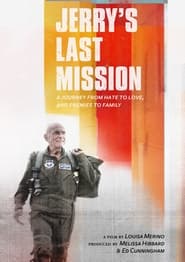
Journalist Sarah Dingle goes on a journey where she digs through hospital files, chases leads, and takes a DNA test to uncover the truth about who made her and how, but the discoveries are more disturbing the deeper she delves.Jerry's Last Mission
2021
Jerry's Last Mission
2021
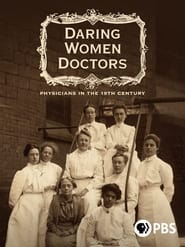
Fighter pilot Jerry Yellin flew the last combat mission of World War II and returned home to a dark life of survivor's guilt and daily thoughts of suicide. Married with four sons, Yellin was forced to face his enemy once again when his youngest son moved to Japan and married the daughter of a Kamikaze pilot.Daring Women Doctors: Physicians in the 19th Century
2020
Hidden in American history, all women's medical schools began to appear in the mid 19th century long before women had the right to vote or own property. "Daring Women Doctors" highlights the intrepid, pioneering and diverse women who faced hostility and resistance in their pursuit of medical education. It also demonstrates how women doctors exerted a long-lasting influence on the movement towards women's rights.The Chocolate Diet
2015
The Chocolate Diet
2015
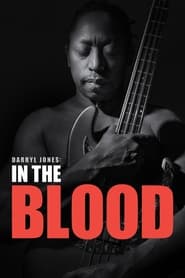
star 9Investigates how the multi-billion-dollar weight-loss industry systematically buys scientific research and uses it in its favor.Darryl Jones - In the Blood
2022
star 8Follows the evolution of Jones, who grew up on the South Side of Chicago and was introduced right away to music and the politics of race.The Interrogation
2018
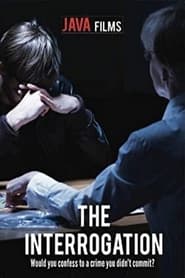
The Interrogation
2018
In America, nearly 30% of those exonerated by DNA tests had previously confessed. For more than half a century, the Reid technique was the favored method of extracting confessions out of suspects. This method of slowly building pressure often made it seem that admitting guilt was the easiest way out. But now, a number of police forces are abandoning the Reid technique because of the risk of generating false confessions. We hear from the men and women who have spent more than 20 years in prison for crimes they did not commit. They tell us about that moment when, in the darkness of the interrogation room, cut off from the world and terrified by police officers, they finally said what the interrogators wanted to hear…the moment their lives changed forever.Party Dream
2022
Party Dream
2022
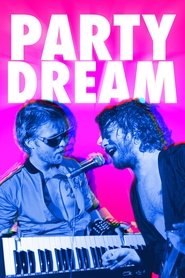
star 1PARTY DREAM is the story of Gil Mantera's Party Dream - the craziest live band you've never seen.Not to Lose You, My Language
1975
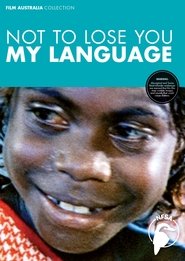
This program looks at a bilingual education program in the Northern Territory, where children are taught in English and Aboriginal languages. As there are many different Aboriginal languages, subjects are taught in a language appropriate to the subject matter. The aim of the program is to help Aboriginal children to see their language and culture as something worthwhile and so nurture their self-confidence and self-respect.Moresby Modern
2009
Moresby Modern
2009
For many people, the mention of Papua New Guinea will evoke images such as remote highlands cultures and tribal warriors; or perhaps tropical islands and palm fringed beaches, or it may bring to mind darker images of poverty, corruption and raskol violence. But in PNG's capital, Port Moresby, things are starting to look a little different. PNG is slowly joining the globalised world, and if you look closely at this society in transition you can see signs of a modest middle class on the rise, and a new generation coming of age. In Moresby you can find a small band of business people, professionals, managers, and creatives, all working hard to build a better life for themselves and their families. Moresby Modern, is the stories of 7 such people, as they work in the challenging environment of a developing country, learning to balance the traditional expectations of their culture with the demands of modern society.Harambee: Pull Together
1974
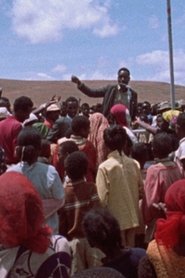
Harambee is a traditional Swahili chant meaning heave-ho or pull together the slogan for a united Kenya. Harambee Day or Independence Day is celebrated in this small town in North Kenya with political speeches and an auction at the native school. The film shows how North Kenya- isolated for years- tries to adapt to the new concept of nationhood. Government officials from South Kenya are appointed as ambassadors to spread the idea of national unity to a people unaccustomed to it.A Walbiri Fire Ceremony: Ngatjakula
1977
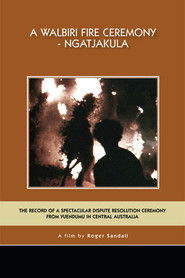
star 10Originally filmed as an archival record of a Warlpiri (Walbiri) ceremony in 1967 by Roger Sandall, the film footage was re-worked 10 years later by anthropologist Nicolas Peterson and filmmaker, Kim McKenzie, to make this short version for public viewing. Involving large numbers of both men and women, Ngatjakula is one of the most spectacular ceremonies of central Australia, employing fire, and several days of singing and dance, to resolve conflicts and re-affirm social order among the Warlpiri (Walbiri) people. One of Sandall’s many films about ceremonial life, including several of Warlpiri rituals, the film was part of the program of the Australian Institute of Aboriginal Studies to record traditional aspects of Aboriginal life and culture. McKenzie’s collaboration with Peterson (who had been present at the time of the original filming) to edit this public version, is a meticulous representation of the fire ceremony, much of which took place at night.Jarlmadangah: Our Dream
2007
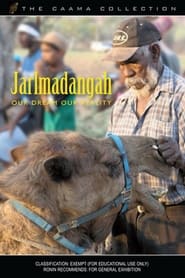
Situated south of Derby in the West Kimberleys, Jarlmadangah is a unique community often hailed as 'a model community' for its many social and cultural achievements. At the centre of the story are two brothers, John and Harry Watson, Elders in the Nyikina and Mangala nations. The community was first formed in 1987 when John and Harry Watson set out to establish Jarlmadangah as a focus for strong family ties, traditional language, law and culture, with the main aim of passing these onto the next generations of young people in the two nations.Mariupol. The Chronicles of Hell
2022
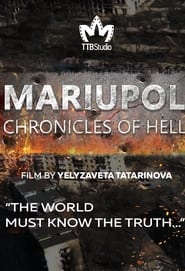
star 2“Mariupol. Chronicles of Hell” is a story about life in the city from the first days of the war until the beginning of April.Mammy Water: In Search of the Water Spirits in Nigeria
1983
Mammy Water is a pidgin English name for a local water goddess worshipped by the Ibibio, Ijaw, and Igbo speaking peoples of southeastern Nigeria. The water goddess traditionally gives wealth and children, compensates for hardships, and is sought in times of illness and need, especially by women. Her various cults are led, predominantly, by priestesses.Unity Through Culture
2011
Soanin Kilangit is determined to unite the people and attract international tourism through the revival of culture on Baluan Island in the South Pacific. He organizes the largest cultural festival ever held on the island, but some traditional leaders argue that Baluan never had culture and that culture comes from the white man and is now destroying their old tradition. Others, however, take the festival as a welcome opportunity to revolt against '70 years of cultural oppression' by Christianity. A struggle to define the past, present and future of Baluan culture erupts to the sound of thundering log drum rhythms.The Wood and the Calabash
2002
Among the Senufo people of northern Côte d'Ivoire, the balafon (xylophone with calabash resonators) is an emblematic musical instrument. Balafon makers are all musicians, but a balafon player isn't necessarily an instrument maker. The film shows in detail the manufacture of this musical instrument, an indispensable element in the life of the Senufo people. Each step is shown, from the initial prayer to the genies of the balafon before felling a tree, through the cutting and tuning of the keys and the resonators, to the fixing of the buzzing membranes, which give this instrument its very characteristic timbre. Nanga, the balafon maker, talks about his work and discusses different aspects with friends during a meal.The Joy of Youth
2002
The Joy of Youth
2002
Among the Senufo people of northern Côte d'Ivoire, the balafon (xylophone with calabash resonators) is an emblematic musical instrument. The music of the balafon is a source of joy while the young men are doing collective work in the fields, at age-group ceremonies, for the poro initiatory society, for the catholic mass and during young people's dance evenings. Musicians and non-musicians, young and old, talk about the different occasions for which this instrument is an indispensable presence marking the rhythms of life for this agricultural people. Traditional balafon music is far from dying out, and its extraordinary vitality and importance are evident in the activities of the younger generations.Benjamin and His Brother
2002
Years of war and ethnic conflict in the Sudan have created a generation of young men, known as the "Lost Boys," who have spent more years in refugee camps than in their home communities. This intimate film recounts the story of Benjamin and William Deng, brothers joined in the struggle of a seemingly never-ending exile, who are then separated when one is accepted into a United States resettlement program while the other remains in a Kenyan refugee camp. It is not only a film about the two brother's dreams and reality, it is also a film about war and suffering in their beloved South Sudan, lost childhood and innocence, the trials of life as a refugee in foreign lands and the existing realities of survival. Real life in the so called "Land of dreams" – America, is not an easy adjustment.