Popular Documentary Movies on Kanopy - Page 288
All Services
Free Services
 Netflix
 Amazon Prime Video
 Apple iTunes
 Apple TV Plus
 Disney Plus
 Google Play Movies
 Paramount Plus
 Hulu
Hulu
 HBO Max
 YouTube
 fuboTV
 Peacock
 Peacock Premium
 Amazon Video
 The Roku Channel
 AMC+
AMC on Demand
AMC+
AMC on Demand
 Kocowa
 Hoopla
 The CW
 Vudu
Vudu
 Starz
Starz
 Showtime
 PBS
PBS
 Pantaflix
 FXNow
FXNow
 Tubi TV
 Kanopy
 Comedy Central
 Crunchyroll
 Microsoft Store
 Redbox
 Sun Nxt
 ABC
ABC
 DIRECTV
 Crackle
 Fandor
 Plex
Plex
Netflix
Amazon Prime Video
Apple iTunes
Apple TV Plus
Disney Plus
Google Play Movies
Paramount Plus
Hulu
HBO Max
YouTube
fuboTV
Peacock
Peacock Premium
Amazon Video
The Roku Channel
AMC+
AMC on Demand
Kocowa
Hoopla
The CW
Vudu
Starz
Showtime
PBS
Pantaflix
FXNow
Tubi TV
Kanopy
Comedy Central
Crunchyroll
Microsoft Store
Redbox
Sun Nxt
ABC
DIRECTV
Crackle
Fandor
Plex

The Starfish Throwers
2013
star 4.8Powerful, direct and heartrending, The Starfish Throwers explores how three of the world's most fiercely compassionate individuals struggle to restore hope to the hopeless in unexpected and sometimes dangerous ways. Continents apart, a sixth grader, a top chef and retired school teacher fight what seems an unwinnable war until they discover their impact may reach further than their actionA Life without Words
2011
A Life without Words
2011
star 5.5In rural Nicaragua, Dulce Maria and her brother Francisco are Deaf adults who know no language at all--spoken, written or signed--until Tomasa, a Deaf sign-language teacher, arrives determined to teach them their first words.Band of Sisters
2012
Band of Sisters
2012
Band of Sisters tells the story of Catholic nuns and their work for social justice after Vatican II of the 1960s.I Can Be President: A Kid's-Eye View
2011
star 6What do our future leaders think? Find out in this enlightening documentary that brings kids' ideas about the presidency to life via animation. Sweet and charming, yet with observations as sharp as tacks, these elementary-school youngsters opine on such issues as: the rules about becoming president; whether they could handle the job, now or in the future; and more.The Worm Hunters
2011
The Worm Hunters
2011
star 5An epic adventure into an underground science and an unstoppable passion. Earthworm scientists concoct a plan to find and name their ultimate discovery...the world's first Super Worm. Nothing will stop them as they travel to all corners of the world with spades, GPS worm locators and secret worm outing fluids to unearth their prize.When the Iron Bird Flies
2012
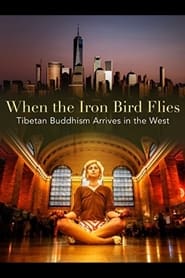
star 6.5WHEN THE IRON BIRD FLIES takes us on an up-close and personal journey, exploring the complex interactions between contemporary Tibetan Buddhism and western culture. The film goes in-depth to portray the experiences and insights of both teachers and practitioners in the US and around the world. Along the way, it illuminates the wide ranging dialogs taking place between Buddhist teachings and science, psychology, gender theory and the arts. The film creates a vivid and entertaining portrait of the world of Tibetan Buddhism, as it is manifesting in the West and asks the vital question - 'In these increasingly chaotic modern times, can these age old teachings help us to find genuine happiness and create a saner, more compassionate 21st century world?'Bach in Auschwitz
1999
White Wash
2011
White Wash
2011
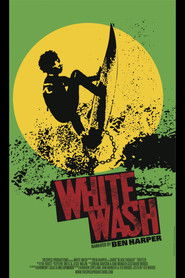
Documentary that exploring the complexity of race in America through the struggle and triumph of black surfers. This controversial and probing film looks deep into America's painful and pervasive legacy of slavery and exclusion.Mickey Mouse Monopoly: Disney, Childhood & Corporate Power
2002
star 7.6Mickey Mouse Monopoly takes a close and critical look at the world these films create and the stories they tell about race, gender and class and reaches disturbing conclusions about the values propagated under the guise of innocence and fun. This daring new video insightfully analyzes Disney's cultural pedagogy, examines its corporate power, and explores its vast influence on our global culture. Including interviews with cultural critics, media scholars, child psychologists, kindergarten teachers, multicultural educators, college students and children, Mickey Mouse Monopoly will provoke audiences to confront comfortable assumptions about an American institution that is virtually synonymous with childhood pleasure.Super 8 ½
2004
Super 8 ½
2004
Amateur filmmaker Otto E. Mezzo discovers rolls of Super-8 film in his freezer, and decides to regroup his old film company to make a new film. The film brings Otto, Pace (his producer/brother), Tal (philosopher/contra-dance caller), Luisa (Otto's wife), Carla (Otto's girlfriend), and thier children together to make a documentary of their lives in 2004.Ellavut Cimirtuq (Our World Is Changing)
2023
As the Bering Sea threatens to wash away an Alaskan coastal village, a Yup’ik filmmaker portrays the community’s steadfast refusal to be labeled as climate refugees. Through the excavation of ancestral artifacts and the strengthening of generational bonds, they remain resolute in preserving their cultural heritage.A Shamanic Medium of Tsugaru
1992
Ms. Taki Kudo says she has been able to connect with deities since she was six or seven years old. Even in modern Japan, mediums like Ms. Kudo are in demand, providing such traditional services as expelling a curse and invoking spirits for health and long life. At twice-annual rituals at Mt. Osore-Zan, she and other female spirit mediums allow the dead to speak through them, relaying insight, comfort and warnings from the deceased to their loved ones. Another important duty is caring for the mulberry-wood Oshirasama puppets representing individual souls. Ms. Kudo dresses and stores the puppets and performs the lively rites in which spirits come down from the mountain in order to protect and purify the people of her village - the deities are cajoled by offerings of food, lights, money and candy.K'Sai Chivit: Threads of Life
1994
K'Sai Chivit: Threads of Life documents the ancient art form of Khmer silk weaving and its place in Cambodian society today. For over a thousand years, Cambodian weavers have been producing a variety of elegant silks, however current societal hardships Cambodians face have dramatically hindered this production. Organizations like UNESCO have began to take part in the revitalization of Khmer weaving, and have established training programs across the region to increase job opportunities and economic independence.25 Texans in the Land of Lincoln
2019
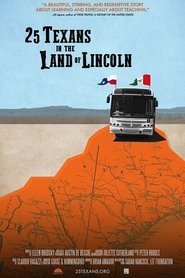
Join the quest with 25 intrepid history students – mostly Mexican American – who drive 2,000 miles from the Alamo in Texas to a Springfield, Illinois museum. Their mission? Asking to repatriate General Santa Anna’s prosthetic leg to Mexico and honor Abraham Lincoln with a Day of the Dead altar.All in My Power
2021
All in My Power
2021
star 5.4On March 1st, 2020, New York recorded its first COVID-19 case. Nine weeks later, 12 healthcare professionals were asked to share their experiences fighting a new kind of war no one could have prepared them for.A Tiny Ripple of Hope
2021
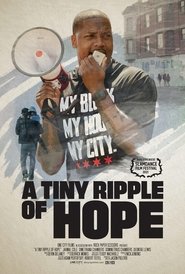
A charismatic activist works to build a better Chicago for the teens in his neglected community even if it comes at the cost of his home, his family, and his safety.No Limits: The Thalidomide Saga
2016
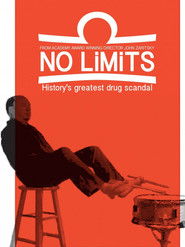
star 9Oscar-winning documentary filmmaker John Zaritsky returns to the story that has fascinated and compelled him for years - thalidomide and it's effect on the survivors of "the worst drug disaster in history." In this, his third film on the subject, he reconnects with some of the thalidomide victims he originally profiled when they were young, and introduces us to some new people who have been active in the fight for justice. He also highlights some recently released information about German pharmaceutical giant Grünenthal, who aggressively marketed the drug, and are now selling it again under a different usage, but still with no compensation for those who's lives they affected so deeply. The indefatigable spirit of the extraordinary thalidomide victims is cast against the callousness disregard of the drug's manufacturers in a film that lays out the story from it's beginnings in the late 50s to the current state of affairs in the present day. —Philip WebleySpace, Land and Time: Underground Adventures with Ant Farm
2010
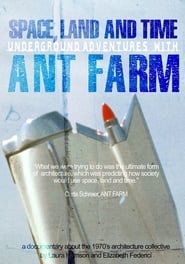
"What we were trying to do was the ultimate form of architecture, which was predicting how society would use space, land and time." Curtis Schreier, ANT FARM Space, Land and Time: Underground Adventures with Ant Farm is the first film to consider the work of the renegade 1970s art/architecture collective Ant Farm, best known for its iconic land-art piece Cadillac Ranch. Radical architects, video pioneers, and mordantly funny cultural commentators, the Ant Farmers created a body of deeply subversive multidisciplinary work that questioned the boundaries of architecture and everything else in the process. Incorporating breathtaking archival video, new footage shot over ten years and animation based on zany period sketches, this film is about the joy of creation in a time when there were no limits. —Beth FedericiNelson Mandela: Prisoner to President
1986
This is the story of the life of the pre-eminent figures of the twentieth century, Nelson Mandela, up until his release after 27 years of prison. It takes us from boyhood with roots firmly embedded in the soil of Africa, through his political training with the African National Congress into the years of repression. Deeply involved with all the great anti-apartheid activities – the Defiance Campaign, the Freedom Charter, the Treason Trial, boycotts and strikes – Mandela was finally betrayed and sentenced to life imprisonment.