Popular Documentary Movies on Kanopy - Page 293
All Services
Free Services
 Netflix
 Amazon Prime Video
 Apple iTunes
 Apple TV Plus
 Disney Plus
 Google Play Movies
 Paramount Plus
 Hulu
Hulu
 HBO Max
 YouTube
 fuboTV
 Peacock
 Peacock Premium
 Amazon Video
 The Roku Channel
 AMC+
AMC on Demand
AMC+
AMC on Demand
 Kocowa
 Hoopla
 The CW
 Vudu
Vudu
 Starz
Starz
 Showtime
 PBS
PBS
 Pantaflix
 FXNow
FXNow
 Tubi TV
 Kanopy
 Comedy Central
 Crunchyroll
 Microsoft Store
 Redbox
 Sun Nxt
 ABC
ABC
 DIRECTV
 Crackle
 Fandor
 Plex
Plex
Netflix
Amazon Prime Video
Apple iTunes
Apple TV Plus
Disney Plus
Google Play Movies
Paramount Plus
Hulu
HBO Max
YouTube
fuboTV
Peacock
Peacock Premium
Amazon Video
The Roku Channel
AMC+
AMC on Demand
Kocowa
Hoopla
The CW
Vudu
Starz
Showtime
PBS
Pantaflix
FXNow
Tubi TV
Kanopy
Comedy Central
Crunchyroll
Microsoft Store
Redbox
Sun Nxt
ABC
DIRECTV
Crackle
Fandor
Plex

Left Behind America
2018
Left Behind America
2018
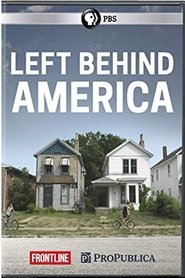
Intimate stories of one Rust Belt city's struggle to recover in the post-recession economy. FRONTLINE and ProPublica report on the economic and social forces shaping Dayton, OH, a once-booming city where nearly 35 percent now live in poverty.I'm Moshanty. Do You Love Me?
2019
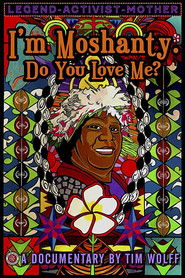
I'm Moshanty. Do You Love Me? is a musical profile of the late South Pacific recording artist and transgender activist Moses "Moshanty" Tau and members of the LGBTQI community of Papua/New Guinea.The Painter Came From a Foreign Land
1989
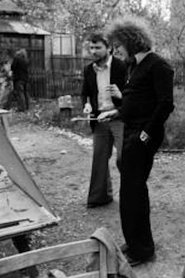
In this film, Dammbeck explores his own decision to relocate to Hamburg, West Germany, and tries to sort out his past as an artist. In the process, he interviews artists Cornelia Schleime, Hans-Hendrik Grimmling, and Hans Scheib, who had been core members of the alternative art scene in East Germany. They had all worked together in the 8mm scene and organized or planned multimedia and crossover exhibitions, including Tangents I in 1976-77 and the First Leipzig Autumn Salon in 1984. Each left for West Germany in the mid-1980s. What has become of their former artistic strategies and positions? How do they deal with their past? What is the force behind their art now? And how do they cope with the western art market?The Vasectomy Doctor
2018
The Vasectomy Doctor
2018
Dr. Andrew Rynne, known as Ireland's first vasectomist, became famous when a man walked into his surgery with a rifle.Mountain
2018
Mountain
2018
A large father and a psychologist are daily in a multi-week routine. It, like many residents of the metropolis, overcomes the fear of living a life in vain. He is trying to find a way out - gathers a group to hike in the Himalayas. But on his return from India to Moscow, another peak grows in front of him, and he must overcome it.Cochengo Miranda
1975
Cochengo Miranda
1975
COCHENGO MIRANDA is a portrait of a farmer and his family living in the Pampas region of Central Argentina. Made by Jorge Preloran, Argentina's best-known documentary filmmaker, the film is an example of his unique genre of ethnobiography, in which the story of an individual reveals larger truths about a culture and way of life.Family of Fear
2018
Family of Fear
2018
Family of Fear follows an eclectic group of artists, actors, and all around spooks as they come together to make Arx Mortis in Killen, Alabama one of the scariest attractions in the country. They don't do it for money, they do it for scares, and for support and love. Many of the spooks have suffered from bullying, depression, dysfunctional family, and being treated as outcasts. The haunt is their home and the other spooks are their family. Rather than do other "bad things" they take out their aggressions scaring patrons every Halloween and they build each other upper, laugh, cry, and scare as a haunt family. It's scary, funny, and shocking. Join the family of fear.Something Out of Nothing
2017
Stereotypes of at-risk-teens in Chicago are dispelled in this documentary about an after-school arts program where race and comedy meet improvisation.Becoming More Visible
2016
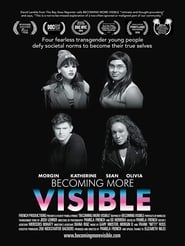
The challenges and joys of being your true self as seen through the journey of four transgender youths as they strive to become more visible.Behind the Bullet
2019
Behind the Bullet
2019
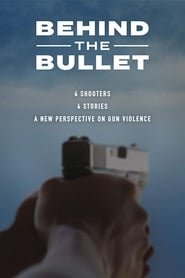
star 5.7An in-depth look at four individuals who have pulled the trigger and the profound impact it's had on their lives.Jandamarra's War
2011
Jandamarra's War
2011
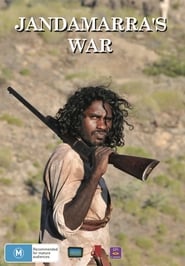
In Jandamarra's War, we learn how in the 1890's the European colonialists arrive in the Kimberley with vast herds of sheep and cattle, determined to make their fortune by feeding a rapidly growing population in the South. But the settlers soon discover they are in land populated with indigenous tribes, ready to fight the red-faced invaders.One More Shot
2018
One More Shot
2018
star 7We were completely ignorant of this subject until we tried to begin our family four years ago, and found we were unable to conceive. As we sought a solution, we began documenting our journey as a way of reflecting and coping, and we were overwhelmed by the physical, emotional, and financial cost of creating a baby. We filmed all important events, decisions, and results in real time, exposing the heartbreaking, challenging, and even hilarious roller-coaster ride undertaken by a couple struggling to build a family.Throughout our journey, we have interviewed many other couples who have experienced the same struggle and found alternative ways to construct their families. Through IVF, surrogacy, egg and sperm donation, adoption, and miraculous natural conceptions, these infertility “survivors” instill a sense of hope that creating a family when all hope seems lost is possible.All About Darfur
2005
All About Darfur
2005
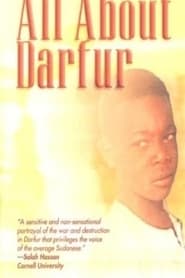
Civil strife in Sudan is explored in personal detail in this film from British-Sudanese filmmaker Taghreed Elsanhouri. Eschewing the nightmarish footage so prevalent on nightly newscasts to instead focus on the personal stories of those who have witnessed firsthand the horrors of genocide, Elsanhouri turns her lens on the troubled citizens of Sudan in a bid to understand their plight on a more humane level. By opening the lines of communication with her fellow Sudanese and offering a platform to voice their suggestions for building a brighter future, Elsanhouri exposes truths rarely discussed by the mainstream media.Feminista
2017
Feminista
2017
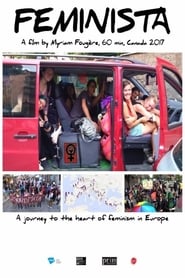
star 7An exploratory journey highlighting the largely unrecognized yet hugely vibrant Pan European feminist movement that is very much alive today, from Turkey to Portugal, by the way of the Balkans, to Italy, Spain and Portugal.Leftovers
2017
Leftovers
2017
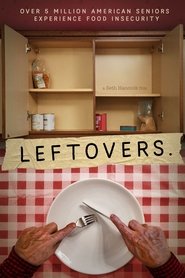
star 6.5A journey across the country to understand why senior citizens are the fastest growing group of people going hungry in America. This journey will change your thinking about aging.Brave New York
2004
Brave New York
2004
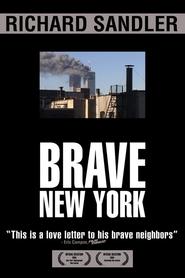
BRAVE NEW YORK is a free-form documentary that loosely chronicles the last twelve years of intense change in the East Village "hood." From the reopening of a newly curfewed Tompkins Square Park and Wigstock in '92 to the destruction of the cherished Loisaida Community Gardens, beyond the yuppie invasions of the "dot com" years to the present era, indelibly stamped with post 9/11 grief, this durable, lusty neighborhood survives in spite of a real estate gold rush that has excluded all but the well-to-do. The movie's main voices are those of the artists and street people whose wisdom and commentaries upon the dominant culture give us pause amidst the speedy approach of a "Brave New World." This Overview was taken from Fandor, where this film is available. 2004.A Small Good Thing
2015
A Small Good Thing
2015
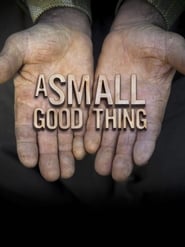
star 7We've sought ease, comfort and wealth - but are people happier with more money? What is the science behind a good life? Following several people over a typical year, "A Small Good Thing" looks at the simple sources of human happiness.Dog by Dog
2015
Dog by Dog
2015
star 7.7An examination of efforts in the United States to tighten regulations on commercial dog kennels, known as 'puppy mills,' where animals are kept without adequate regard for their welfare.Dinosaur Eggs and Babies
2007
Recent discoveries of dinosaur eggs, nests, and even embryos, are providing new evidence to unlock the mysteries of dinosaur reproductive behavior. This educational program explores the mysteries of dinosaur reproduction with animation and interviews with renowned dinosaur experts including Robert Bakker, Philip Currie, Mark Norell, and others. Were dinosaurs social animals? Did they care for their young? What was life like for baby dinosaurs? These are some of the intriguing questions addressed in this informative program.The Way We Talk
2015
The Way We Talk
2015
The Way We Talk is a personal documentary intimately centered around a support group for people who stutter on their journey toward self-acceptance.