Popular Documentary Movies on Kanopy - Page 287
All Services
Free Services
 Netflix
 Amazon Prime Video
 Apple iTunes
 Apple TV Plus
 Disney Plus
 Google Play Movies
 Paramount Plus
 Hulu
Hulu
 HBO Max
 YouTube
 fuboTV
 Peacock
 Peacock Premium
 Amazon Video
 The Roku Channel
 AMC+
AMC on Demand
AMC+
AMC on Demand
 Kocowa
 Hoopla
 The CW
 Vudu
Vudu
 Starz
Starz
 Showtime
 PBS
PBS
 Pantaflix
 FXNow
FXNow
 Tubi TV
 Kanopy
 Comedy Central
 Crunchyroll
 Microsoft Store
 Redbox
 Sun Nxt
 ABC
ABC
 DIRECTV
 Crackle
 Fandor
 Plex
Plex
Netflix
Amazon Prime Video
Apple iTunes
Apple TV Plus
Disney Plus
Google Play Movies
Paramount Plus
Hulu
HBO Max
YouTube
fuboTV
Peacock
Peacock Premium
Amazon Video
The Roku Channel
AMC+
AMC on Demand
Kocowa
Hoopla
The CW
Vudu
Starz
Showtime
PBS
Pantaflix
FXNow
Tubi TV
Kanopy
Comedy Central
Crunchyroll
Microsoft Store
Redbox
Sun Nxt
ABC
DIRECTV
Crackle
Fandor
Plex

Magical Death
1973
Magical Death
1973
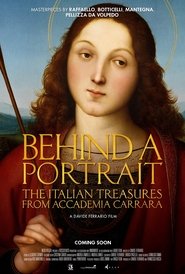
An examination of shamanism in the Yanomamo society. Dedehiewa, a shaman of the Mishimishi-mabowei-teri village, summons spirits called hekura to "cure or kill".Behind a Portrait. The Italian Treasures from Accademia Carrara
2025
Art documentary about the Accademia Carrara gallery, which reopened in 2015 after seven years of extensive restoration.Central Texas Barbecue
2015
In Central Texas, Barbecue is more than a way to cook meat - it's a way of life, a path to salvation, and a sure-fire way to start an argument at the dinner table. This documentary covers five barbecue establishments.Food As Medicine
2016
Food As Medicine
2016
star 5From personal healing, inspiration grew to create a positive film about people addressing disease with food. There are a lot of negative messages about the state of our nation's health and diet, and we were inspired by the community of people we found who are fighting back against this downward trend. Food As Medicine is a documentary film that follows the growing movement of using food to heal chronic illness and disease.Bipolarized: Rethinking Mental Illness
2014
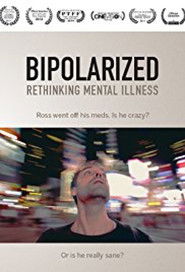
BIPOLARIZED is about one man's personal journey to heal. Diagnosed with bipolar disorder, Ross' psychiatrist told him he would live with the disorder for the rest of his life and that he would have to take lithium to control symptoms. To Ross, taking the drug daily felt like a chemical lobotomy, leaving him in a foggy, drug-induced haze. Ross ultimately decided to resolve his symptoms outside of conventional medicine. He progressively reduced his use of the psychotropic drug lithium, at an experimental clinic in Costa Rica. What ensued was a self-exploration into alternative treatments to treat his condition and a journey delving into the root cause of his mental breakdown. The film uses Ross' personal experiences to tell a larger story about medication. It will reveal how we are labelling more and more people with mental illnesses and how, in tandem, we are prescribing more and more toxic psychotropic drugs to treat these illnesses.A Trip to the Country
2000
star 6.5Cameroonian filmmaker Jean-Marie Teno directs this impassioned documentary about the slow crumbling of traditional morals and values caused by colonialism and globalization. The film traces Teno's journey from his base in France to Cameroon's capital Yaounde to his hometown of Mbieng. In the process, he captures images of corroding infrastructures and corrupt officials.The Children of Ibdaa: To Create Something Out of Nothing
2003
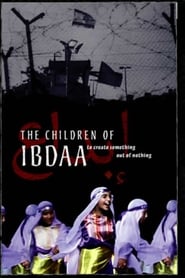
star 7The Children of Ibdaa: To Create Something Out of Nothing is a 30-minute documentary about a Palestinian children's dance troupe from Dheisheh refugee camp in the West Bank. The children use their performance to express the history, struggle, and aspirations of the Palestinian people, specifically the right to return to their homeland.I Know a Man…Ashley Bryan
2017
A film about a 93-year-old creative wonder who skips and jumps in his heart like a child. He served in a World War II all-Black battalion and experienced the racism of a separatist Army and the carnage of D-Day. As a result he dedicated his life to creating beauty and joy, spreading love and awe through his art. He's a poet/illustrator of over 50 children's books, makes magical puppets and sea glass windows from found objects inspired by his African heritage.U.N. Fever
2008
U.N. Fever
2008
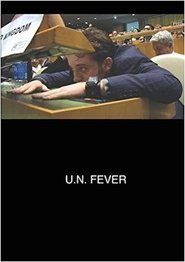
star 5U.N. Fever follows three teams of college students as they prepare to compete in the international Model U.N. competition held annually in New York City. These passionate young people are among our future world leaders. They seek real-life solutions to today's global crises. The film peers into their lives as they undergo the dramas, breakdowns and triumphs of this challenging, life-altering experience. This is a real-life story leaving audiences feeling hopeful about the next generation and its commitment to world peace, human rights and justice.Frans Lanting: The Evolution of LIFE
2015
A dazzling journey through time via the remarkable images of National Geographic photographer Frans Lanting and his epic "LIFE" project, which presents a stunning interpretation of life on Earth, from the Big Bang through the present.Butoh: Piercing the Mask
1991
This documentary pierces the mystery and mystique of a dance movement adored by the West and largely ignored by the Japanese. It uses archival and modern footage of leading Butoh performers and interviews Butoh specialists to throw light on the essential Butoh themes of darkness, violence and eroticism to get to the core of the nature of Butoh.Fully Awake: Black Mountain College
2008
Documentary about the history and ideas of Black Mountain College.The Spirit of the Ancestors
2016
star 2.5Three generations of chroniclers from Rapa Nui (Easter Island) go in search of their nation’s sacred pieces.Donald Trump: The Apprentice President?
2016
star 1Since announcing his candidacy, Donald Trump is everywhere. To him, it seems that nothing is taboo and no policy too outlandish to embrace. Somehow, this billionaire candidate has become the champion of ordinary America, with supporters travelling hundreds of miles just to see him.Mark Rappaport: The TV Spin-Off
1980
star 4In Mark Rappaport: The TV Spin-off, the filmmaker conducts a guided tour of his work that explains everything... and nothing. Rappaport shows himself to be the cinematic equivalent of Penn and Teller.Young Lakota
2013
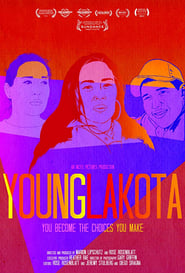
Young Lakota
2013
star 8Three young people living in South Dakota's Pine Ridge Reservation are faced with difficult challenges.Vineyards of Italy: Wines of Northern Italy
2007
star 10Discover northern Italy's rich wine country with this in-depth tour. Viewers will visit wineries and vineyards throughout the region to explore the history, culture, methods and popular labels found in each. The journey begins in Trentino, home to Spumante, followed by Friuli, Piedmont, Lombardy and Emilia Romagna. The program also includes a stop in Veneto, one of the country's most vital winemaking areas.The Gray Seasons
2013
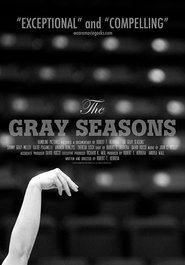
The Gray Seasons
2013
Saint Louis University women's basketball is a longstanding program with a lack of success. Despite the seemingly insurmountable odds, a young, dynamic coach with a history of playing & coaching success, is brought in to turn things around.The Rule
2014
The Rule
2014
See how the Benedictine monks of Newark Abbey, in the heart of one of America's most dangerous cities, are able to achieve amazing success with the most vulnerable population: inner city African American and Latino teenage males. While Newark, NJ, with a high poverty rate of 32%, has an abysmal high school graduation rate, St. Benedict's Prep has a near 100% COLLEGE ACCEPTANCE rate. The film details how their "recipe for success" follows the 6th century Rule of Saint Benedict and how this rule can serve as a model for whole cities nationwide.D-Day: The Price Of Freedom
2006
star 6D-Day, June 6, 1944, was a turning point in the history of the world and thousands of young Americans played an important role that day. Travel with several of these men as they return to the beaches of Normandy to tell their stories of survival.