New Documentary Movies on Kanopy - Page 303
All Services
Free Services
 Netflix
 Amazon Prime Video
 Apple iTunes
 Apple TV Plus
 Disney Plus
 Google Play Movies
 Paramount Plus
 Hulu
Hulu
 HBO Max
 YouTube
 fuboTV
 Peacock
 Peacock Premium
 Amazon Video
 The Roku Channel
 AMC+
AMC on Demand
AMC+
AMC on Demand
 Kocowa
 Hoopla
 The CW
 Vudu
Vudu
 Starz
Starz
 Showtime
 PBS
PBS
 Pantaflix
 FXNow
FXNow
 Tubi TV
 Kanopy
 Comedy Central
 Crunchyroll
 Microsoft Store
 Redbox
 Sun Nxt
 ABC
ABC
 DIRECTV
 Crackle
 Fandor
 Plex
Plex
Netflix
Amazon Prime Video
Apple iTunes
Apple TV Plus
Disney Plus
Google Play Movies
Paramount Plus
Hulu
HBO Max
YouTube
fuboTV
Peacock
Peacock Premium
Amazon Video
The Roku Channel
AMC+
AMC on Demand
Kocowa
Hoopla
The CW
Vudu
Starz
Showtime
PBS
Pantaflix
FXNow
Tubi TV
Kanopy
Comedy Central
Crunchyroll
Microsoft Store
Redbox
Sun Nxt
ABC
DIRECTV
Crackle
Fandor
Plex

Stories of A
1974
Stories of A
1974
star 1French documentary campaigning for the liberalization of abortion and contraception, directed by Charles Belmont and Marielle Issartel in 1973.A Man Called "Bee"
1974
A Man Called "Bee"
1974
One of the few ethnographic films in which the anthropologist appears as one of the subjects - a lively introduction to the nature of fieldwork. Napoleon Chagnon, who lived among the Yanomamo for 36 months over a period of eight years, is shown in various roles as "fieldworker": entering a village armed with arrows and adorned with feathers; sharing coffee with the shaman Dedeheiwa who recounts the myth of fire; dispensing eyedrops to a baby and accepting in turn a shaman's cure for his own illness; collecting voluminous genealogies; making tapes, maps, Polaroid photos; and attempting to analyze such patterns as Yąnomamö village fission, migration, and aggression.Naim and Jabar
1974
Naim and Jabar
1974
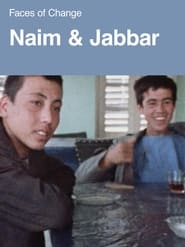
The hopes, fears, and aspirations of adolescence are expressed in the close friendship of two Afghan boys. As their acceptance of the filmmakers leads them to express their feelings more and more openly, the film grows rich in fact and themes of universal concern. Filmed in the Balkh Province, an area inhabited by Tajik and other Central Asian peoples. The town of Aq Kupruk is approximately 320 miles northwest of Kabul.Dreams and Nightmares
1974
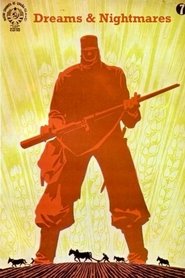
A study of Spain during the years 1936-1973, focusing on the involvement of the United States in the affairs of that country.Three Island Women
1974
Three Island Women
1974
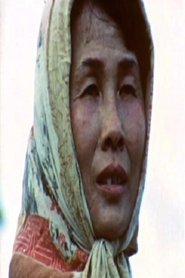
Three women, varying in ages and therefore perspective, agree that life on a small Chinese island in Hong Kong waters, is better for them now than in the past. They are treated equal to the men in the rigors of manual labor and now participate fully in the island's decision-making and economic life.A Chinese Farm Wife
1974
A Chinese Farm Wife
1974
A Chinese Farm Wife gives us a peek into the life of Mrs. Li, a Taiwanese woman whose husband is a salaried factory worker. Along with the help of her eldest daughter and her neighbors, Mrs. Li runs their 3-acre farm, cultivating crops of tobacco and rice. She also supervises the children's education and manages the household, and is a full participant in community activities.Children's Magical Death
1974
Pretending to be shamans, a group of young boys imitate their fathers, blowing ashes into each other's noses and chanting to the hekura spirits.In Search of Ancient Mysteries
1974
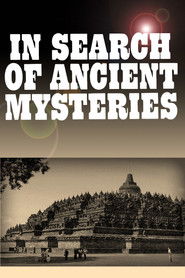
star 6An examination of mysteries of the ancient world and their connection to the possibility that aliens visited Earth.Womanhouse
1974
Womanhouse
1974
star 7Held in 1972 at 533 N. Mariposa Street, Los Angeles was one of the most important cultural events in the United States: "Womanhouse," a feminist art installation and performance space organized by Judy Chicago and Miriam Schapiro.A Steam Train Passes
1974
A Steam Train Passes
1974
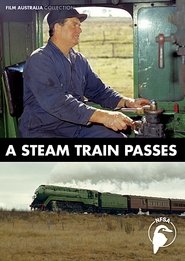
Generally regarded as Australia's finest railway film and winner of many awards the world over, A Steam Train Passes is a nostalgic, imaginative essay on one of the majestic C38 class steam locomotives, 3801. The locomotive has recently returned to service and is currently operating out of the NSW Rail Museum at Thirlmere, south of Sydney.Arrow Game
1974
Arrow Game
1974
A short documentary film by ethnographic filmmaker Tim Asch that shows young members of the Yanomamo Indian tribe sharpening their arrow-shooting skills.Spirit Possession of Alejandro Mamani
1974
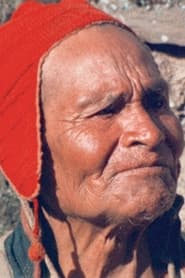
An old Bolivian man nears the end of his life. He has property and status, but not contentment. Believing himself posessed by evil spirits, he opens his heart to reveal his anguish. His personal tragedy brings us close to every man's confrontation with the unknown, old age, and death.Viracocha
1974
Viracocha
1974
Viracocha features mestizos and campesinos in the Andean highlands interacting within a near-subsistance economic system. Market days and fiestas provide opportunities for Spanish-speaking mestizos, alternately benign and abusive, to assert their traditional social dominance over the Aymara and Quechua campesinos.Kenya Boran
1974
Kenya Boran
1974
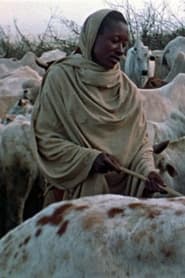
In the midst of a traditional herding territory, a growing town and a new road encroach upon a once-isolated desert people. The complexities brought about by this modernization are shown as two fathers and their sons confront difficult choices between old ways and new.Harambee: Pull Together
1974
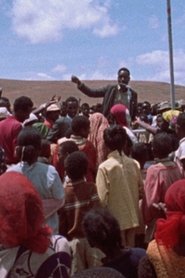
Harambee is a traditional Swahili chant meaning heave-ho or pull together the slogan for a united Kenya. Harambee Day or Independence Day is celebrated in this small town in North Kenya with political speeches and an auction at the native school. The film shows how North Kenya- isolated for years- tries to adapt to the new concept of nationhood. Government officials from South Kenya are appointed as ambassadors to spread the idea of national unity to a people unaccustomed to it.Boran Women
1974
Boran Women
1974
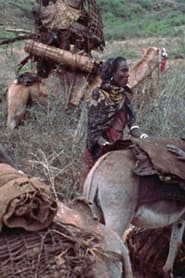
Traditionally confined to the roles of life-givers, nurturers and homemakers, Boran women of Kenya are slowly realizing the importance of education and the difference it can make in their lives. They attach great importance to the traditional role of women in a herding society and perform dawn to dusk tasks with little deviation from customary ways. Remarkable though is the obvious independence they demonstrate in performing tasks which normally would fall under the male domain, like building their own houses. The film is principally observational with occasional segments in which the women speak directly to the camera.Boran Herdsmen
1974
Boran Herdsmen
1974
This film demonstrates the time-honored solutions to the problems associated with the Boran's dependence on cattle for living. Direct government intervention and the indirect impact of modernization are forcing the old patterns to change. The film depicts herding practices, movement patterns, watering strategies, and the lifestyle of the herdsmen. The film has special currency for issues in rural development and agricultural, environmental, and human adaption.African Carving: A Dogon Kanaga Mask
1974
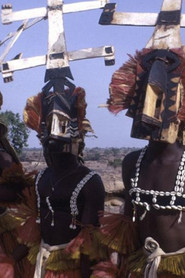
The Kanaga mask is used in deeply sacred rituals by the Dogon people of Mali. Carving this mask is as important a ritual as the ceremonies in which the mask is used. The carver, a blacksmith, finds the proper tree and, in a secret cave outside the village, he shapes the mask with gestures which repeat the movement of the dancers who will wear it. When a dancer wears the Kanaga mask he becomes the Creator symbolically. He touches the ground with his mask and directs a soul to Heaven. Although these dances are now frequently performed for the public, the meaning of Kanaga is retained by the Dogon who fear, respect and depend on the power of the mask.Dani Houses
1974
Dani Houses
1974
The film observes both round and square house construction techniques of the Grand Valley Dani. It shows how the ground is cleared, walls are made from boards, poles lashed together, and roofs being thatched. Though it follows the house-building process from beginning to end, one is left asking the question: What happened after the houses were built?Dani Sweet Potatoes
1974
Dani Sweet Potatoes
1974
A study of the sophisticated process of sweet potato horticulture developed by the Dani. The film follows the Dani sweet potato cycle from clearing off the old brush and weeds from a fallow field to planting, harvesting, cooking, and eating. At that time the Dani had the simplest of tools - long pointed wooden poles used as digging sticks that are hardened in the fire and soaked in water - and they still used their stone-bladed adzes. (By now, most Dani use steel shovels, axes, and bush knives and make stone adzes only for the tourist trade.)