Popular Documentary Movies on Kanopy - Page 285
All Services
Free Services
 Netflix
 Amazon Prime Video
 Apple iTunes
 Apple TV Plus
 Disney Plus
 Google Play Movies
 Paramount Plus
 Hulu
Hulu
 HBO Max
 YouTube
 fuboTV
 Peacock
 Peacock Premium
 Amazon Video
 The Roku Channel
 AMC+
AMC on Demand
AMC+
AMC on Demand
 Kocowa
 Hoopla
 The CW
 Vudu
Vudu
 Starz
Starz
 Showtime
 PBS
PBS
 Pantaflix
 FXNow
FXNow
 Tubi TV
 Kanopy
 Comedy Central
 Crunchyroll
 Microsoft Store
 Redbox
 Sun Nxt
 ABC
ABC
 DIRECTV
 Crackle
 Fandor
 Plex
Plex
Netflix
Amazon Prime Video
Apple iTunes
Apple TV Plus
Disney Plus
Google Play Movies
Paramount Plus
Hulu
HBO Max
YouTube
fuboTV
Peacock
Peacock Premium
Amazon Video
The Roku Channel
AMC+
AMC on Demand
Kocowa
Hoopla
The CW
Vudu
Starz
Showtime
PBS
Pantaflix
FXNow
Tubi TV
Kanopy
Comedy Central
Crunchyroll
Microsoft Store
Redbox
Sun Nxt
ABC
DIRECTV
Crackle
Fandor
Plex

Mangalyaan: India's Mission to Mars
2023
In this special, watch the 650 million km journey of ISRO's Mangalyaan, India's first interplanetary mission to Mars.Spirit Possession of Alejandro Mamani
1974
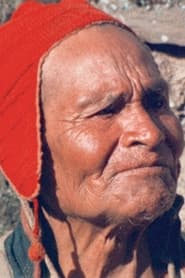
An old Bolivian man nears the end of his life. He has property and status, but not contentment. Believing himself posessed by evil spirits, he opens his heart to reveal his anguish. His personal tragedy brings us close to every man's confrontation with the unknown, old age, and death.Traded
2021
Traded
2021
The film exposes the life of women who have been trafficked in various parts of India. Some of them have been trafficked because of debt bondage and some for sexual exploitation.Aamakaar
2002
Aamakaar
2002
Aamakaar tells the story of preservation. This film depicts the struggles of a small fisihing village in North Kerala that is fighting the assault on its estuary by sand mining. The villagers are also engaged in the conservation of Olive Ridley turtles that have come to their beach to nest. They make a connection between a species fast becoming extinct and the fate of a community that could face displacement.A Peasant Chronicle in Gruyère
1990
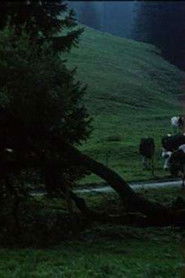
The shooting of this peasant chronicle in the Gruyère region of Switzerland lasted a whole year, from July 1989 to July 1990. A year of work and festivities in the family of Conrad and Louise Bapst, their children and grandchildren who live in La Roche (canton of Fribourg). In summer, part of the family goes with the herd to the upper pastures, and will move six times in the next three months, as the grass for the cows grows in higher and higher places. At the farm below, the rest of the family mows the hay and the after crop, and tends the vegetable garden. Fall and winter bring new chores, along with feast-days, and the sale of cheeses to pay for rented pastures. We see the family participate in a vote for or against the Swiss Army, and at a meeting where mountain farmers discuss whether or not to join the European Union. The film displays the patient and human approach of an almost silent minority of Switzerland.Cowboys Without Borders
2020
star 5The story of a 6th generation Texan as he explores ranches from Montana to Argentina working alongside American Cowboys. The story's focus is on cattle operations and how the heart of the American Cowboy has not changed.Palliative
2022
Palliative
2022
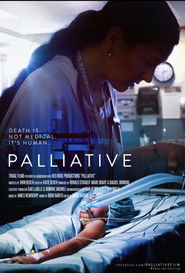
A documentary short exploring the conversations during end-of-life care with pediatric Palliative care specialist Dr. Nadia Tremonti. Filmed in Detroit at the Children's Hospital of Michigan over several years 'Palliative' aims to draw attention to a vital area of care struggling to overcome the stigmas of death and dying.The Feast in Dream Village
1988
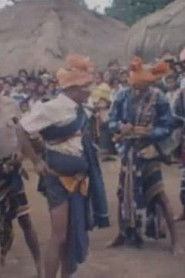
The eastern Indonesian island of Sumba is the last island in the Malay archipelago where the majority of the people still follow their ancestral religion, called marapu. This film, shot in 1986, focuses on a challenge to the authority of the spirits and ancestors in a village ritual to restore fertility after a fire and famine. Narrated by the priests who communicate with the spirits in prayers and sacrifices, it documents a week of offerings, dancing and oratory in "Dream Village" in the western Kodi district. The name comes from a dream of prosperity the village founder once had, and dreams are also the ways in which priests are called to serve the spirits.Trans Kashmir
2022
Trans Kashmir
2022
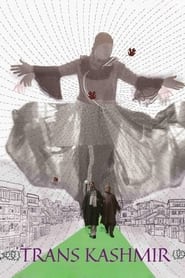
Once entertainers and employees of the royal courts, they were believed to have mystical powers. Today they fight for dignity in life and death. This film is about the extreme hardships, resilience and beauty of Kashmir’s Hijra (transgender) community and their growing movement for basic human rights.Otters and the Exotic Pet Trade
2019
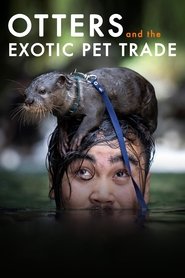
Tracking the exotic pet trade of otters across the globe, is a story of gangsters and guns, mammals and middlemen.We Know How to Do These Things: Birth In a Newar Village
1997
For these villagers, giving birth is a family affair; while a young girl is in labor, the birth attendant, mother and mother-in-law alternate between lending a hand and storytelling. Barbara Johnson studied documentary film and photography with Jerry Liebling and Elaine Mayes at Hampshire College from 1970-1974. She began working for the Smithsonian's newly formed National Anthropological Film Center in 1975. She was sent to Nepal to document early childhood socialization and daily life in a large farming village in the Kathmandu Valley.Fate of the Lhapa
2007
Fate of the Lhapa
2007
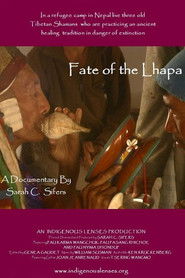
Fate of the Lhapa is a feature-length documentary about the last three Tibetan shamans living in a Tibetan refugee camp in Nepal. Each lhapa requested that their story be filmed. Their fear was that the next heir might not appear until after their own deaths. Subsequently, with no lhapa alive to mentor the children, the documentary would be used to transmit the knowledge to the next generation. Their tales of nomadic childhoods, shamanic callings and apprenticeships, cosmologies of disease and treatments, and of their flight from Tibet during the Chinese occupation in the late 1950s is be juxtaposed with images of present-day life in the camp, current healing practices and shared concerns of the future and the fate of their tradition.Holding Tightly: Custom and Healing in Timor-Leste
2019
Healing in Timor-Leste is rarely straightforward. Timorese people acknowledge and embrace multiple pathways to healing in a complex interplay between spiritual care, comfort and personal connection. Through lifelong observation and learning, they trial a variety of practices and pass down their knowledge to the next generation. Holding Tightly observes seven approaches to healing in remote, rural and urban parts of the Baucau municipality in the country’s east, spanning contexts and experiences from the armed resistance era to the independence period.Zero Position
2022
Zero Position
2022
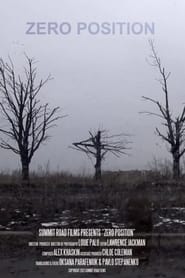
star 8From its shocking opening image of a bridge snapped in two, Zero Position crosses an eerie landscape fractured by dueling Russian separatist and Ukrainian forces. On this cinematic journey, there are no interviews or extensive explanations of the conflict between the opposing sides. Accompanied by an evocative soundscape, the film moves like a ghostly presence through a troubled region, pausing at heavily armed checkpoints and competing front lines. As the camera captures people scurrying past the aftermath of conflict, carrying plastic bags bulging with items gleaned from abandoned homes, we see the stark reality of a people caught in a borderland between East and West. Director Louie Palu's expressive, sparse and poetically delivered voiceover adds context to places the nightly news cameras don't take us, including an old coal mine and a family's home. Through its mood and atmosphere, Zero Position offers us an experiential look at a region on the brink of all-out war.The Time of the Fireflies
2021
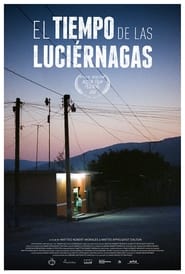
Despite the loneliness he experiences living in New York, Miguel remains resiliently motivated to help the family he hasn’t seen in 13 years. Combining dreamlike depictions of Miguels memories of his childhood in Oaxaca, Mexico with his everyday experience as a migrant worker, THE TIME OF THE FIREFLIES is a poignant depiction of the sacrifice many are forced to make in order to support their families.War on the EPA
2017
War on the EPA
2017
Investigates how Scott Pruit, a former state senator and minor league baseball team owner, went from fighting the Environmental Protection Agency to running it, rolling back years of policy. FRONTLINE tells the inside story of how the major reversal of the Clean Power Plan and other environmental policy rollbacks happened; how President Trump’s Environmental Protection Agency administrator, Scott Pruitt, went from fighting the federal agency to running it; and how the anti-regulatory and anti-climate change science movements in America reached a moment of triumph.The Business of Birth Control
2021
star 2There can be no real gender justice without an unpacking of the power structures surrounding the reproductive health industry complex—and of the choices that the market pushes on women. Abby Epstein’s latest documentary highlights the dark history of eugenics and underfunded research that the birth control pill, often heralded as a feminist turning point in the history of reproductive rights, hides within itself.Malangan Labadama: A Tribute to Buk-Buk
1980
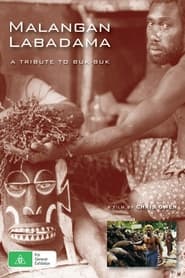
For the people of Mandak region, New Ireland,the most dramatic and complex ceremonial events are those surrounding death. The creation and presentation of the Malangan Labadama with its carved figures, masked dancers and feasting is the final tribute by three brothers to a deceased clansman and former leader.The Path: Evolution
2016
The Path: Evolution
2016
The Path: Evolution is the third film of The Path Series trilogy and explores the theory that human beings are living in a virtual reality system similar to the rules of an assimilated video game. The filmmakers follow former NASA nuclear physicist, Thomas Campbell, as he shares his knowledge and the results of his research of consciousness, physics, metaphysics and morality to explain mind and matter, normal and paranormal, life, death, and purpose, with all of this logically flowing from the concept of reality as information. The Path: Evolution will undoubtedly challenge the viewer's current belief systems and leave a lasting impression on human beings to re-evaluate how they are behaving, treating others, and existing in the world.