Popular Documentary Movies on Kanopy - Page 304
All Services
Free Services
 Netflix
 Amazon Prime Video
 Apple iTunes
 Apple TV Plus
 Disney Plus
 Google Play Movies
 Paramount Plus
 Hulu
Hulu
 HBO Max
 YouTube
 fuboTV
 Peacock
 Peacock Premium
 Amazon Video
 The Roku Channel
 AMC+
AMC on Demand
AMC+
AMC on Demand
 Kocowa
 Hoopla
 The CW
 Vudu
Vudu
 Starz
Starz
 Showtime
 PBS
PBS
 Pantaflix
 FXNow
FXNow
 Tubi TV
 Kanopy
 Comedy Central
 Crunchyroll
 Microsoft Store
 Redbox
 Sun Nxt
 ABC
ABC
 DIRECTV
 Crackle
 Fandor
 Plex
Plex
Netflix
Amazon Prime Video
Apple iTunes
Apple TV Plus
Disney Plus
Google Play Movies
Paramount Plus
Hulu
HBO Max
YouTube
fuboTV
Peacock
Peacock Premium
Amazon Video
The Roku Channel
AMC+
AMC on Demand
Kocowa
Hoopla
The CW
Vudu
Starz
Showtime
PBS
Pantaflix
FXNow
Tubi TV
Kanopy
Comedy Central
Crunchyroll
Microsoft Store
Redbox
Sun Nxt
ABC
DIRECTV
Crackle
Fandor
Plex

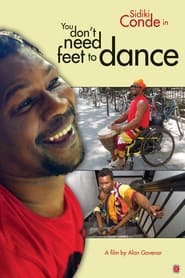
You Don't Need Feet to Dance
2013
In the film "You Don't Need Feet to Dance," African immigrant Sidiki Conde, having lost the use of his legs to polio at fourteen, balances his career as a performing artist with the almost insurmountable obstacles of life in New York City, from his fifth-floor walk up apartment in the East village, down the stairs with his hands and navigating in his wheelchair through Manhattan onto buses and into the subway. Sidiki struggles to cope with his disability and to earn a decent living, but he still manages to teach workshops for disabled kids, busk on the street, rehearse with his musical group, bicycle with his hands, and prepare for a baby naming ceremony, where he plays djembe drums, sings, and dances on his hands.Whisky: The Islay Edition
2010
star 5.2“WHISKY: the Islay edition” yearns for a chesterfield and a glass of whisky as it transports the viewer to a sanctum of the Scottish gold. It doesn’t just inform us about whisky, it evokes the finesses of the liquor, the art of tasting, the craft of distillation, the history of the distilleries and the richness of the isle of Islay itself. The documentary takes us to a small Scottish island called Islay. It is the home of 8 world famous whisky distilleries. The complete process of making whisky is divided in 8 parts. The 8 distilleries represent each a part of this process, in order of appearance: Ardbeg, Kilchoman, Bowmore, Bunnahabhain, Caol Ila, Laphroaig, Lagavulin and Bruichladdich.An Encounter With Simone Weil
2012
star 5.5The filmmaker's journey to understand the controversial French philosopher and activist Simone Weil (1909-1943) reveals a brave young woman willing to die for her convictions.Hiroshima Nagasaki August, 1945
1970
star 6This documentary is a compilation of silent black-and-white film footage shot by the Japanese in Hiroshima and Nagasaki shortly after the atomic bomb blasts in early August 1945. English-language voice-over narration has been added, along with a few scenes from American sources. The film shows the destruction and injury caused by the atomic bombs in graphic detail.Meditate and Destroy
2007
Meditate and Destroy
2007
star 4.8Author Noah Levine uses his personal experience and punk-rock sensibilities to connect with young people within juvenile halls and urban centers around the country. Tattoos, motorcycles, and a punk rock soundtrack are featured in this look at how Buddhism has a place in the world of punks.Off the Straight & Narrow
1999
star 1A look at TV since the 1960's shows that Gays and Lesbians have come a long way but still have a long ways to go to a balanced and realistic depiction on television.Yvonne Jacquette Painting "Autumn Expansion"
1981
About the making of a large commissioned mural painting of an aerial view. From the first drawing out of a circling, single-engine plane, then transferring the studies onto three panels in New York, to the installation of the 27 feet wide, glowing-colored paintings in the post office of Bangor, Maine. With music by Domenico Scarlatti.The Art of Exile
2023
The Art of Exile
2023
THE ART OF EXILE is a series of three intimate and visually powerful short films celebrating the transformative power of art by showcasing exiled, censored, and imprisoned artists and their resilience against oppression through creativity. It features: Yemeni sculptor Moath al-Alwi (A SHIP FROM GUANTÁNAMO); Egyptian novelist Ahmed Naji (THE EX-CRIMINAL); and Vietnamese pop star Mai Khoi (MAI KHOI: I SING WHAT I SEE).Crook Hat and Camphoo
2005
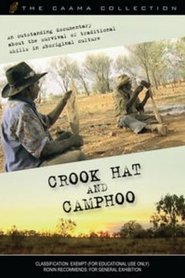
Alyawarr elders from central Australia, who worry about the survival of traditional skills and culture, pass on the skills and knowledge for making spears and woomera (spear-throwers).Papers: Stories of Undocumented Youth
2010
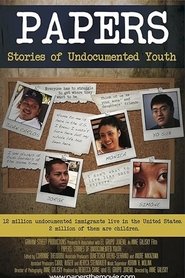
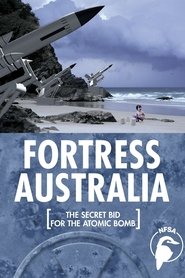
star 1The story of undocumented youth and the challenges they face as they turn 18 without legal status.Fortress Australia: The Secret Bid for the Atomic Bomb
2001
This documentary explores one of the most extraordinary chapters in Australia's history - the attempts by successive Australian governments to fortress the nation with atomic weapons.Fighting For Fertility
2021
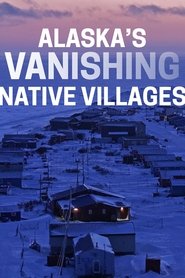
In the United States, some 10% of people who wish to have children struggle with infertility. NOVA explores barriers to fertility, from the social to the biological, and the state of assisted reproductive technologies. Follow the journeys of people navigating challenges from structural inequalities and racism to falling sperm counts, egg freezing, and IVF.Alaska's Vanishing Native Villages
2025
star 8A look inside Alaska Native villages fighting for survival against climate change. With the Howard Center at ASU, FRONTLINE examines why communities are relocating and why they're struggling to preserve their traditions.Mallamall
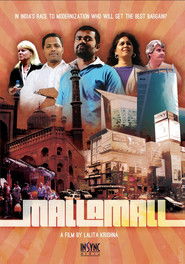
2012
Mallamall
2012
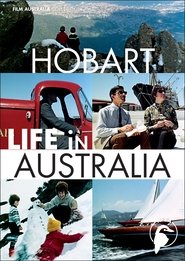
Retail is a 2500-year-old tradition in India with 95% of the trade being run by small entrepreneurs. But the retail scene in India is undergoing a rapid change. Malls are sprouting like mushrooms between huts and tenements. Everyone wants a piece of the pie. Mallamall is a visual and sensory portrayal of the burgeoning industry through the stories of people whose lives depend on retail.Life in Australia: Hobart
1966
Life in Australia: Hobart shows scenes illustrating daily life, industry, recreation and the tourist features of Hobart, Tasmania.A Normal Life
2024
A Normal Life
2024
A NORMAL LIFE shows the personal everyday life of four Bosnian women who were forced to flee their home country due to the consequences of the Yugoslav Wars and have been working as cleaning women in Vienna ever since. We get personal insights into their lives, their work, their urge to build a new life and their personal way of overcoming trauma.Bums' Paradise
2003
Bums' Paradise
2003
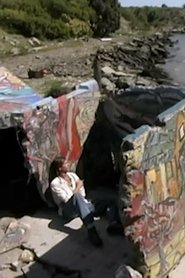
Bums' Paradise depicts the lives of the men and women who lived in the ten-year-old Albany Landfill community prior to their eviction. It follows them through the eviction and documents them one month after the eviction. The film emphasizes their concepts of community as well as the amazing art that they created. Instead of being a documentary about homelessness, Bums' Paradise considers the question: What if the homeless -- the indigent, the bums -- told their own stories?Yuri Vella's World
2003
Yuri Vella's World
2003
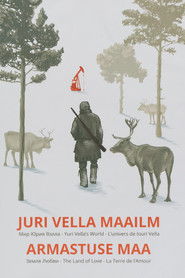
The documentary follows Yuri Vella, writer and social activist of the Forest Nenets living in West-Siberia. To give his grandchildren proper education in their natural environment, he establishes an elementary school in his winter camp.The Greening of Cuba
1996
The Greening of Cuba
1996
Witness an entire nation transforming its agriculture using organic techniques. The Greening of Cuba profiles Cuban farmers and scientists working to reinvent a sustainable agriculture, based on ecological principles and local knowledge rather than imported machinery and agro-chemicals. When trade relations with the socialist bloc collapsed in 1990, Cuba lost 80% of its pesticide and fertilizer imports and half of its petroleum - the mainstays of its highly industrialized agriculture. Challenged with growing food for 11 million people in the face of the continuing U.S. embargo, Cuba embarked on the largest conversion to organic farming ever attempted. The Greening of Cuba is told in the voices of the campesinos, researchers, and organic gardeners who are leading the organic agriculture movement. This moving video reminds us that entire nations can choose a healthier environment and still feed their people.