Popular Documentary Movies on Kanopy - Page 302
All Services
Free Services
 Netflix
 Amazon Prime Video
 Apple iTunes
 Apple TV Plus
 Disney Plus
 Google Play Movies
 Paramount Plus
 Hulu
Hulu
 HBO Max
 YouTube
 fuboTV
 Peacock
 Peacock Premium
 Amazon Video
 The Roku Channel
 AMC+
AMC on Demand
AMC+
AMC on Demand
 Kocowa
 Hoopla
 The CW
 Vudu
Vudu
 Starz
Starz
 Showtime
 PBS
PBS
 Pantaflix
 FXNow
FXNow
 Tubi TV
 Kanopy
 Comedy Central
 Crunchyroll
 Microsoft Store
 Redbox
 Sun Nxt
 ABC
ABC
 DIRECTV
 Crackle
 Fandor
 Plex
Plex
Netflix
Amazon Prime Video
Apple iTunes
Apple TV Plus
Disney Plus
Google Play Movies
Paramount Plus
Hulu
HBO Max
YouTube
fuboTV
Peacock
Peacock Premium
Amazon Video
The Roku Channel
AMC+
AMC on Demand
Kocowa
Hoopla
The CW
Vudu
Starz
Showtime
PBS
Pantaflix
FXNow
Tubi TV
Kanopy
Comedy Central
Crunchyroll
Microsoft Store
Redbox
Sun Nxt
ABC
DIRECTV
Crackle
Fandor
Plex

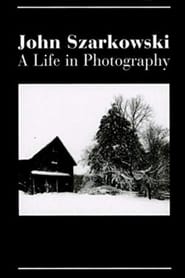
John Szarkowski: A Life in Photography
1998
Examining his double life as both curator and photographer, a career he abandoned and recently returned to with the publication of Mr. Bristol's Barn, this is a documentary on the man who helped establish photography for the first time as a true and different kind of art.I Had an Abortion
2005
I Had an Abortion
2005
Underneath the din of politicians posturing about "life" and "choice" and beyond the shouted slogans about murder and rights, there are real stories of real women who have had abortions. Each year in the US, 1.3 million abortions occur, but the topic is still so stigmatized it's never discussed in polite company. Powerful, poignant, and fiercely honest, I HAD AN ABORTION tackles this taboo, featuring 10 women - including famed feminist Gloria Steinem - who candidly describe experiences spanning seven decades, from the years before Roe v. Wade to the present day.Life in Occupied Palestine: Eyewitness Stories & Photos
2008
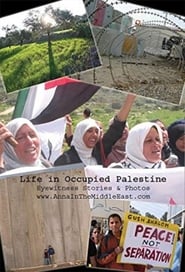
A wonderfully moving introduction to the plight of the Palestinians, in simple, everyday terms, with a captivating narration by eyewitness Anna Baltzer. Baltzer, a Jewish-American Columbia graduate and Fulbright scholar, presents her discoveries as a volunteer with the International Women's Peace Service in the West Bank, documenting human rights abuses and supporting Palestinian-led nonviolent resistance to the Occupation. Baltzer's presentation provides those interested in the issue with critical information and documentation that can be difficult to obtain through mainstream media sources, and to encourage informed action. Topics include checkpoints, settlements, Israeli activism, Zionism, 1948 War & refugees, censorship, the Wall, and environmental devastation. The granddaughter of Holocaust refugees, Baltzer works to address the injustices of today in light of those of the past. She is author of the book Witness in Palestine.Baobabs between Land and Sea
2015
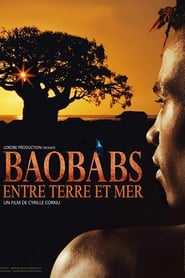
star 8A scientific adventure to encounter the baobabs of Madagascar and the Vezo, a nomadic tribe of the sea.Stranger Than Fiction: The Nanny Killers
2018
The murder of French au-pair Sophie Lionnet by her employers made headlines all over the world. From the horrible circumstances of her death, to the obsession of her killer with a pop-star ex-boyfriend and their crazy delusions of celebrity paedophile rings, it was a case that seemed too unbelievable to be true.Incidents of Travel in Chichen Itza
1997
Depicts how New Agers, the Mexican state, tourists, and 1920s archaeologists all contend to “clear” the site of the antique Maya city of Chichen Itza in order to produce their own idealized and unobstructed visions of “Maya” while the local Maya themselves struggle to occupy the site as vendors and artisans.The Secret History of The White House
2019
Piecing together information from secret sources and a two-hundred-year evolution of the White House, investigative journalists and government insiders weigh in on the mystery of an unusual white box and a top-secret construction project dubbed the "Big Dig" that took place outside of the West Wing from 2007-2012. Using little known images, previously classified material and detailed graphics, the search for truth reveals not only what secrets might lay below the White House, but how their existence could affect democracy as we know it.Friends in High Places
2001
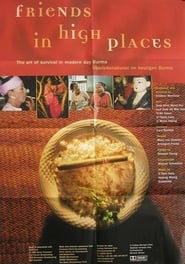
In Myanmar (formerly known as Burma), the cult of nat spirit worship has survived both the triumph of a devastating military dictatorship and the widespread adoption of Buddhism. At the center of the cult are the spirit mediums, often homosexual men, who communicate with the nats and take on their flamboyant characteristics in ecstatic rituals. Guided by two lively 70-year olds, director Lindsey Merrison explores the role of the spirit mediums in Burmese society in this fascinating documentary.No Room In Paradise
2016
No Room In Paradise
2016
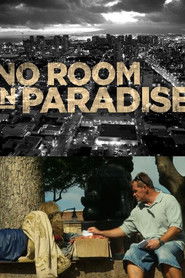
"No Room in Paradise" is an intimate and raw look at the struggles Hawaii's homeless face -- and the solutions needed to address the crisis. Hawaii has the highest per capita homeless population in the nation, and more than half of Hawaii's homeless are unsheltered. Filmmakers Anthony Aalto and Mike Hinchey of Green Island Films say it's no secret what's driving Hawaii's growing homeless population: A lack of affordable housing and services. The question they set out to answer is why more affordable housing isn't being made available.The Miracle of the Little Prince
2018
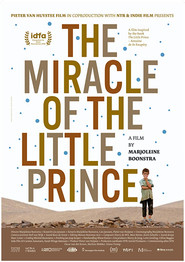
star 7.7A documentary about the passionate translators of the book The Little Prince by Antoine de Saint-Exupéry, who fight for the preservation of their endangered languages.Relatos do Front
2019
Relatos do Front
2019
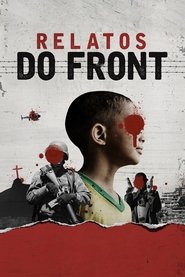
star 5.7Through reports from people who live or have experienced the routine of fighting drug trafficking and the police, mixed with reports from security specialties, psychologists, writers and journalists, we want to present the public with both sides of the same tragedy. Without taking sides either way, bringing the viewer to reflect on our current public security policy and its consequences on the lives of the population.Resilience
2018
Resilience
2018
People born in Russia in 1917 tell about their fate. Deep personal memories of long-livers add up to the history of the country of the last century.A Long Journey to Guadalupe
1996
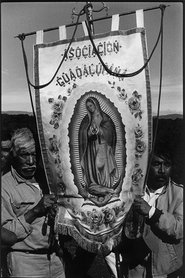
The veneration for Tonantzin-Guadalupe has been an essential Mexican theme underlying Mexican cultural and political values since the 16th century. Guided by the testimonies of Indigenous people, Mexicans of mixed heritage and Chicanos about this complex subject matter, we can understand why. The film was shot in 16mm and produced between July 1987 and February 1996.I Live for Art: Will You Take the Call?
2014
An exploration of the creative process - its angst, its thrills, its purpose, and its methods.Mies On Scene. Barcelona in two acts
2018
The Barcelona Pavilion, the masterpiece with which Mies van der Rohe and Lilly Reich staged their revolutionary ideas in 1929, changed the History of architecture forever. It only existed for eight months but paradoxically its image was always alive in the minds of generations of architects around the world, becoming one of his greatest influences. The Pavilion is still surrounded by myths and mysteries that this documentary addresses, framing the building into a portrait in two acts of the Barcelona that made possible its cons-truction in 1929 and its reconstruction in 1986. We immerse ourselves in a reflection on the transformative capacity of art, the emotional perception of space and the concept of master-piece.Ancestors in the Americas: Coolies, Sailors, Settlers
1996
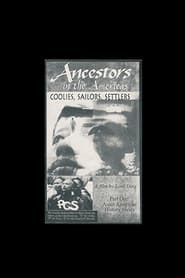
Explores how people from the Philippines, China and India first arrived on the shores of North and South America, their survival amid harsh conditions, re-migrations and settlement in the Americas. The film travels across oceans and centuries of time to trace the globally interlocking story of East and West. Ancestors in the Americas is a two-part series that presents the history, challenges, and lasting impact of early Asian immigrants to the Americas, from the 1700s to the 1900s. The series follows their little-known journeys and stories, reveals their pioneering struggle against racial hatred and for basic rights, and depicts their lasting cultural, legal and economic contributions to the building of the Americas. Using a "documemoir" approach, ANCESTORS IN THE AMERICAS brings to life this largely undocumented past and invites a new understanding of American history.Teach a Man to Fish
2018
Teach a Man to Fish
2018
As a fair-skinned Aboriginal man living away from his country, middle-aged Grant struggles with his identity. So, he decides to quit everything and go fishing with his father.William The Conqueror
2013
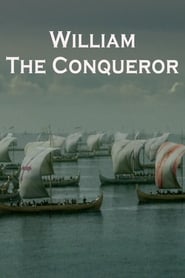
star 1Blending drama with the explanations of passionate historians and specialists, this enriched historical reconstruction traces 60 years in the life a man who transformed the Middle Ages and laid the foundation of modern Europe, William The Conqueror.Of Men and Gods
2002
Of Men and Gods
2002
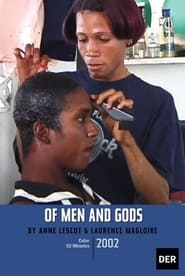
star 3A documentary about the issues that confront homosexuals and transvestites in Haiti. The various caracters in the documentary have their own explanation as to why they are gay (all the interviewed people are male) and how the majority of them feel that the Voodoo godess Erzulie has made them into what they are.