Popular Documentary Movies on Kanopy - Page 299
All Services
Free Services
 Netflix
 Amazon Prime Video
 Apple iTunes
 Apple TV Plus
 Disney Plus
 Google Play Movies
 Paramount Plus
 Hulu
Hulu
 HBO Max
 YouTube
 fuboTV
 Peacock
 Peacock Premium
 Amazon Video
 The Roku Channel
 AMC+
AMC on Demand
AMC+
AMC on Demand
 Kocowa
 Hoopla
 The CW
 Vudu
Vudu
 Starz
Starz
 Showtime
 PBS
PBS
 Pantaflix
 FXNow
FXNow
 Tubi TV
 Kanopy
 Comedy Central
 Crunchyroll
 Microsoft Store
 Redbox
 Sun Nxt
 ABC
ABC
 DIRECTV
 Crackle
 Fandor
 Plex
Plex
Netflix
Amazon Prime Video
Apple iTunes
Apple TV Plus
Disney Plus
Google Play Movies
Paramount Plus
Hulu
HBO Max
YouTube
fuboTV
Peacock
Peacock Premium
Amazon Video
The Roku Channel
AMC+
AMC on Demand
Kocowa
Hoopla
The CW
Vudu
Starz
Showtime
PBS
Pantaflix
FXNow
Tubi TV
Kanopy
Comedy Central
Crunchyroll
Microsoft Store
Redbox
Sun Nxt
ABC
DIRECTV
Crackle
Fandor
Plex

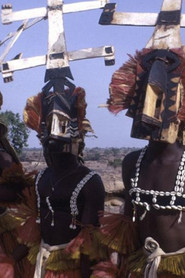
African Carving: A Dogon Kanaga Mask
1974
The Kanaga mask is used in deeply sacred rituals by the Dogon people of Mali. Carving this mask is as important a ritual as the ceremonies in which the mask is used. The carver, a blacksmith, finds the proper tree and, in a secret cave outside the village, he shapes the mask with gestures which repeat the movement of the dancers who will wear it. When a dancer wears the Kanaga mask he becomes the Creator symbolically. He touches the ground with his mask and directs a soul to Heaven. Although these dances are now frequently performed for the public, the meaning of Kanaga is retained by the Dogon who fear, respect and depend on the power of the mask.In the Footsteps of Taytacha
1985
In the Footsteps of Taytacha follows a group of Quechua-speaking musicians and dancers as they leave their remote villages high in the Andes Mountains of Peru and join thousands of other highlanders on the annual religious pilgrimage to the sacred peaks of Qoyllur-Rití. Quollur-Rití, the largest and most important religious ritual in the southern Andes, occurs only five days out of the year and involves walking both day and night in terrain over 4400 meters in altitude.Weaving the Future
1997
Weaving the Future
1997
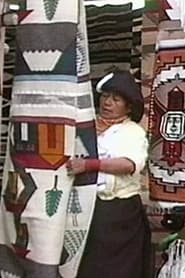
Weaving the Future is a video portrait of a unique indigenous community living in the Andean highlands of northern Ecuador. The story of the Otavalo Indians is not a stereotypical tale of "isolated people struggling to survive." Just the opposite. The people of Otavalo have successfully adapted their traditions of weaving and crafts to the international marketplace. Selling their textiles in the U.S., Europe and even in Japan, the Otavalos are by any measure the most prosperous Native people in South America. Theirs is a fascinating story of economic success and social change.Hidden Heroes: The Nisei Soldiers of WWII
2021
Featuring sit-down interviews with experts and historians, follows the story of the Japanese American soldiers of WWII who fought for the ideals of American democracy.Play, Jankunú Play - The Garifuna Wanaragua Ritual of Belize
2006
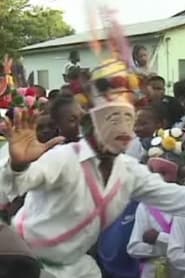
The Garifuna are a Central American people of West African and Native American descent. One of their most popular rituals is wanaragua, a three-fold system of masked Christmas processionals commonly called Jankunú. This ritual is a unique blend of African, European, and Native American (Arawak and Carib) art traditions in which social and cultural identities are expressed through music, dance, and costume. As dancers adorn themselves in colorful regalia to mimic past foreign oppressors they symbolically affirm their identity. They perform stylized movements to the accompaniment of drums and social commentary songs composed by men. Descriptions of the three processions and dance styles are interspersed with interviews by Garifuna singers, drummers, dancers, cultural advocates, and scholars on the significance of rituals.Hosay Trinidad
1999
Hosay Trinidad
1999
Hosay Trinidad is an ethnographic film about the observance of Shi'ite Muharram rites on the island of Trinidad.The Garifuna Journey
1998
The Garifuna Journey
1998
A celebratory documentary, with engaging scenes of fishing, cooking, dancing, cassava preparation, thatching a temple, spiritual ritual, music and dance all demonstrating the Garifuna link to the Carib-African past. Descendants of African and Carib-Indian ancestors, the Garifuna fought to maintain their homeland and resisted slavery. For this love of freedom, they were exiled from St. Vincent in the Caribbean by the British in 1797. Despite exile and subsequent Diaspora, their traditional culture survives today. It is a little known story that deserves its place in the annals of the African Diaspora. In first person Garifuna voices, this documentary presents the history, the language, food, music, dance and spirituality of the Garifuna culture.In Pursuit of the Siberian Shaman
2006
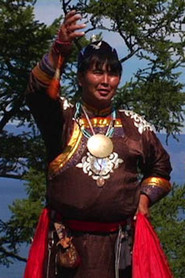
Long suppressed by missionaries and then by Soviet anti-religious campaigns, Siberian shamanism has experienced an unprecedented revival following the collapse of the Soviet Union, and the number of shamans continues to rise. But who are these new shamans? Are they tricksters, magicians, businessmen, or cultural activists? This film takes a behind-the-scenes look at a Buryat shaman living on an island in the Lake Baikal as he moves between intimate shamanic rituals performed for local clientele and shows performed at various resorts for Western tourists in search of "primitive" cultures.Releasing the Spirits: A Village Cremation in Bali
1991
Cremation rites are the most elaborate rites of passage performed by Balinese householders. Poor families may wait years before accumulating enough resources to cremate their dead, who are buried in the meantime. In 1978 many more cremations than usual were carried out because of the great purification cermony, Eka Dasa Rudra, held at Bali's main temple, Besakih, in 1979. Religious officials recommended that all Balinese cleanse the island by cremating their dead, as part of the preparations for the great Besakih ceremony. Villagers of limited means pooled their resources to perform group cremations which greatly reduced the cost for each family. This film is about a group of villagers in Central Bali who cooperated to carry out a group cremation.Kau Faito'o: Traditional Healers of Tonga
1999
This is a documentary which not only shows the ancient traditional art form of healing, but also tries to capture the essence of being a traditional healer in an ever-changing environment. Traditional healers are shown collecting, preparing and administering herbal remedies that they have passed down from one generation to the next. Healers discuss where, why and how they gained their knowledge and why they choose to carry on age-old customs and practices despite the fact that Tonga is becoming a nation increasingly dependent on western medicine. Tonga's traditional healers are adapting to niches such as prenatal care and physical therapy. Interspersed throughout the film are beautiful scenes of water, agriculture, rainforest and people, all of which comprise current island life in the Kingdom of Tonga.Her Name Came on Arrows - A Kinship Interview with the Baruya of New Guinea
1982
In the eastern highlands of Papua New Guinea, French anthropologist Maurice Godelier invites five of his Baruya friends and informants to his house to discuss Baruya kinship and rules of marriage. As Godelier poses questions, the kinship rules that provide the cohesive fabric of Baruya culture are brought to life. Abstract terms are given practical meanings as Godelier investigates Baruya customs of stealing wives, exchanging sisters for wives, stealing names and exchanging 'food for blood.'The Akha Way
1999
The Akha Way
1999
For over a thousand years, the Akha people have inhabited the hills of Asia — mainly Southern China, Burma and Northern Thailand. The Akha Way or Akhazaunh, is the code by which they live. This documentary describes their origins and their culture. It contains extraordinary footage of a shaman healing ceremony; a funeral, with the ritual sacrifice of a water buffalo; the reading of a pig's liver after a new house is built, and more. Today the Akha Way is fast disappearing. Forced migration, Christianity, money and drugs are eroding the cultural heritage of the Akha tribe.Kuo Hina E Hiapo: The Mulberry is White and Ready for Harvest
2001
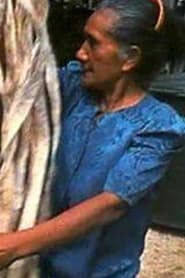
Tapa cloth, or ngatu as it is called in Tonga, is cloth made from the bark of the mulberry tree. The inner bark is beaten into fine sheets and painted using traditional designs. After centuries of use, ngatu has literally become the fabric of Tongan society. In Tonga and throughout much of Polynesia, bark cloth has deep symbolic and ceremonial use. At birth, babies are swaddled in it. At marriage, newlyweds line their wedding bed, and at death, the departed are buried wrapped in it. This documentary investigates the highly collaborative process of making ngatu and the organizations of women who carry on with the tradition. While the process continues to be passed on from generation to generation, there are signs of change as a cash economy begins to infiltrate Tongan life. Young people show less interest in such labor intensive endeavor in the face of the older generation's belief that this tradition will never die.Freedom Hill
2022
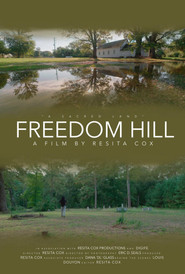
Freedom Hill
2022
Princeville, NC is the first town incorporated by freed, formerly enslaved Africans in America. This historical significance sits on a precipice: It is gradually being washed away.Jan Karsky. Righteous Man of the World
2015
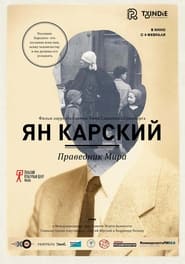
Jan Karski is a hero of World War II, a member of the Polish Resistance and the author of the first official account of the Holocaust. The film was created jointly by filmmakers from Russia and Poland in the year of the centenary of Jan Karski, on the seventieth anniversary of the victory over fascism.To Find the Baruya Story
1982
This multi-faceted film, photographed in both 1969 and in Paris in 1982, illustrates an anthropologist's actual fieldwork methods and personal relationships among the Baruya, and provides an in-depth view of the Baruya's traditional salt-based economic system. The film follows Dr. Godelier as he explores the complexities of food production and the effects of new technologies. He comments: "I have to find and bring together the different pieces of Baruya culture... That's my job, to find the story."The Living Sea
2021
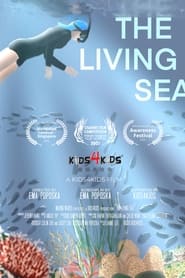
The Living Sea
2021
Twelve-year-old scuba diver Ema sets out on a quest to find out why corals around the globe are dying, but are somehow more resilient in Hong Kong.Kurtal Snake Spirit
2003
Kurtal Snake Spirit
2003
Kurtal – Snake Spirit tells the story of Spider, a sprightly 80 year old Aboriginal elder who travels from Fitzroy Crossing into the Great Sandy Desert of Western Australia to visit a jila - a sacred waterhole. Spider is one of the main custodians responsible for the practices that take place there. For the first time, he is taking his family and community elders back to his birthplace, where he will communicate with their ancestors through Kurtal, the Snake Spirit in an ancient ritual. This unique documentary examines the ongoing change faced by a remote Aboriginal community and their determination to maintain their close links to birthplace and country. It shows the passing on of traditional knowledge from father to son and grandson, and the vital and sustained connection to ancestry and customs. It is a celebration of strong tradition and culture thriving through the spirit and willingness of the next generation.Myanmar's Killing Fields
2018
star 10Secret footage and eyewitness accounts shine new light on a brutal campaign by the Myanmar military against Rohingya Muslims — an effort that has been described by both the United Nations and the United States as “ethnic cleansing.”